by Lisa Di Tommaso | Sep 27, 2026 | Blog, Morrab Library, Uncategorized
Our volunteers have been delving into the collections again, looking for the stories behind some of our archival treasures.
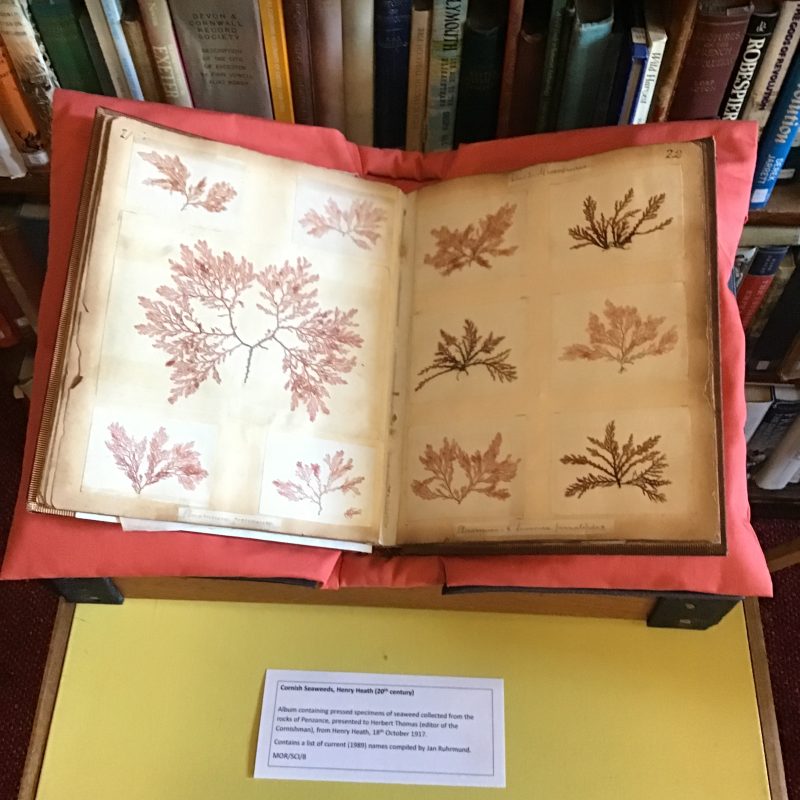
Kay Line volunteers in our Photographic Archive. She was fascinated by our album of seaweeds, collected and pressed from Mounts Bay in the late nineteenth and early twentieth centuries. We know that the album was a gift from a local gent called Henry Heath, to the editor of the Cornishman newspaper, Herbert Thomas.
Kay has undertaken some deep research to try to find the reason behind this extraordinary, precious gift – click on this link to read her blog:
Henry Heath & the Seaweed Book
Thanks to Kay for all her work!
by Lisa Di Tommaso | Aug 22, 2026 | Blog, Images, Morrab Library, Photographic Archive
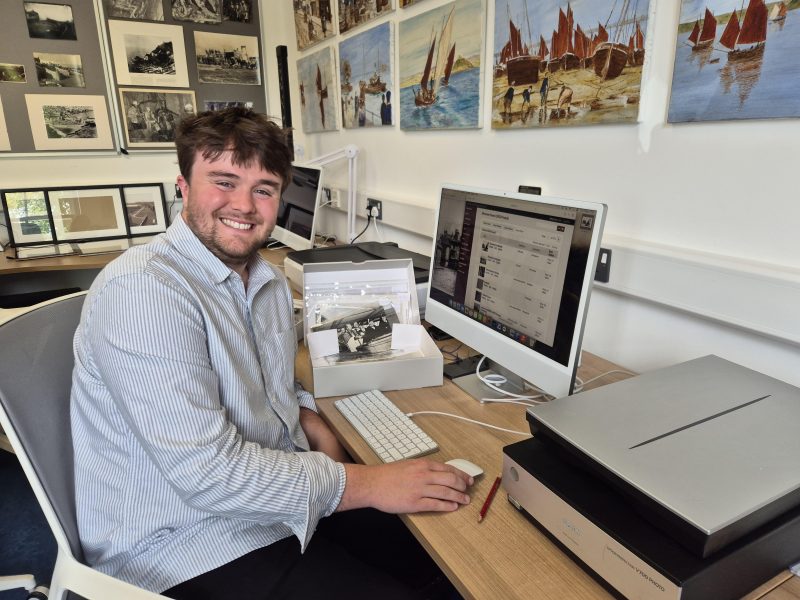
Our library was fortunate, and delighted, to host Sam Hill on a three month internship, where he worked in our Photo Archive.
As well as no less than seven blogs you can find links to below, and delivering an entertaining talk about his time with us and the discoveries he made in the collections, Sam has also written a longer academic paper about our collections, which we will add to our archive. This article explores West Cornwall’s maritime people and their working lives between 1865 and 1935, using images from our Photo Archive collections.
You can click on this link to read Sam’s article here: Exploring West Cornwall’s maritime people, by Sam Hill August 2026
Use these links to read Sam’s blogs:
An Introduction to Sam
Maritime Communities and meeting the Creatures of the Deep
Penzance Then and Now Part One: Market Jew Street and Chapel Street
Penzance Then and Now Part Two: Promenade and Alexandra Terrace
Penzance Then and Now Part Three: Alverton.
Penzance Then and Now Part Four: Pubs, Taverns and Inns
The working lives of the people of the Isles of Scilly explored through my third great grandfather Samuel Jenkins Guy.
We are so grateful to Sam for all of his hard work and great company while he was with us, and we wish him all the best for the future.
by Lisa Di Tommaso | Aug 22, 2026 | Blog, Exhibition, Images, Morrab Library
The third display in our new exhibition case on the first floor takes you back to the 17th century, and a very special natural history book…
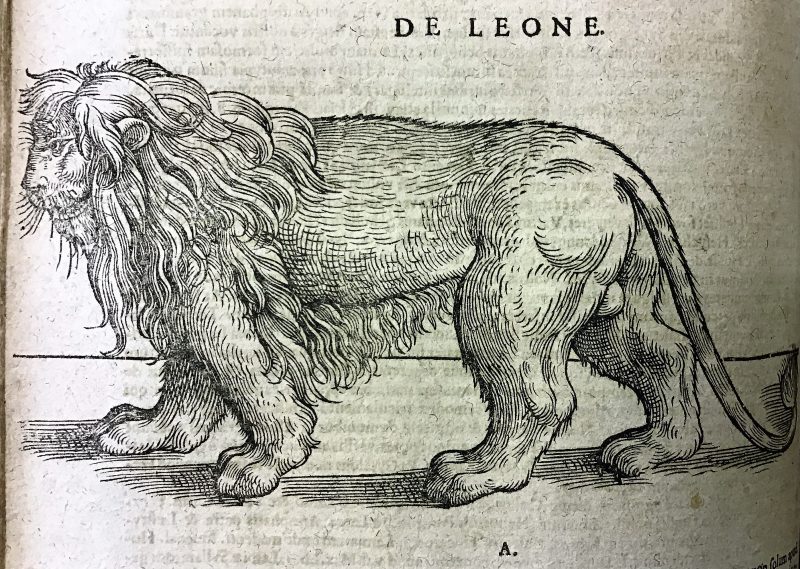
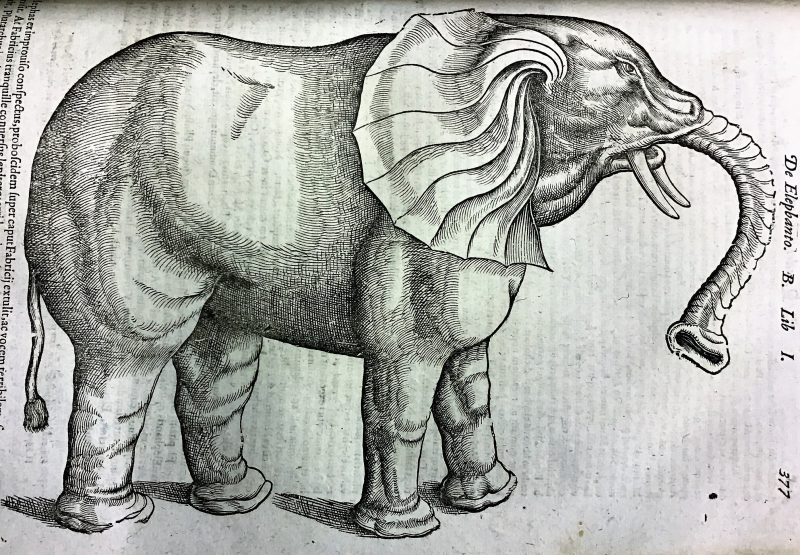
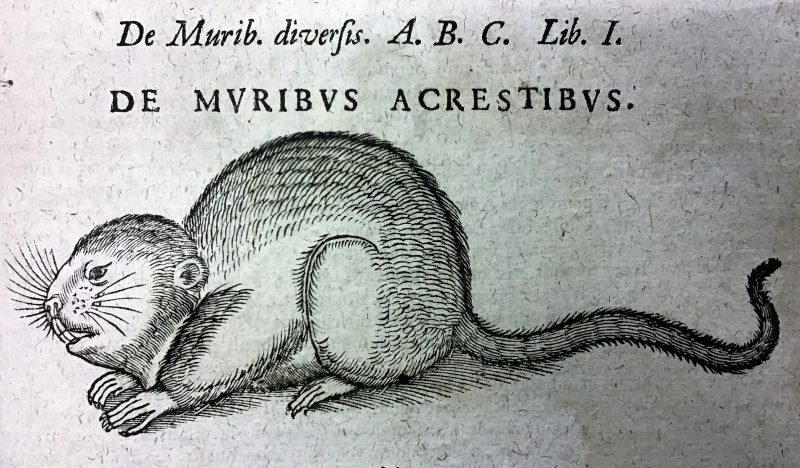
Conrad Gesner (1516–1565), Historia Animalium, 2nd edition, 1617-1620. Volumes 1 and 2. (E596)
This large volume comprises two of a set of five written by Swiss naturalist Conrad Gesner. Our library holds later editions of Volumes I and II, published between 1617 and 1620, the originals were published between 1551 and 1558. Through these books, Gesner became the first naturalist to attempt to describe all the known animals (and some unknown) of the world, even though he would not have seen the majority of them in the flesh.
Born in Zurich in 1516, Gesner was one of many children, and was sent to spend his childhood in the care of a grand-uncle, where Gesner’s keen interest in natural history began. He was awarded a scholarship to study in Bourges University in France, in 1533, later taught Greek in Lausanne, and then Aristotelian philosophy back in Zurich, where he spent much of the remainder of his life.
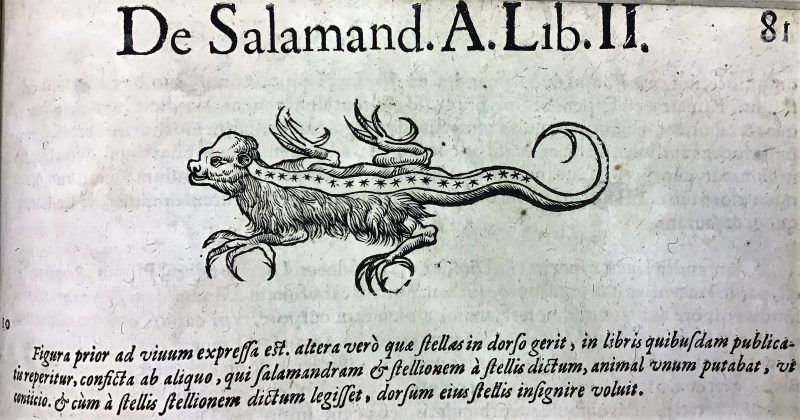
Gesner could be described as an ‘armchair naturalist’, working primarily from his study and acquiring his knowledge from reading and correspondence, as well as with actual animals and animal specimens. He used the literature of early naturalists such as Pliny and Aristotle for many descriptions, and significantly, he tried to gather as much physical evidence as he could by using traveller’s descriptions and specimens. Gesner amassed such a collection of zoological specimens he created a museum in house for them. Despite his best efforts for accuracy, his methodology saw a few ‘interesting’ descriptions and illustrations of animals, including a unicorn and even a hydra.
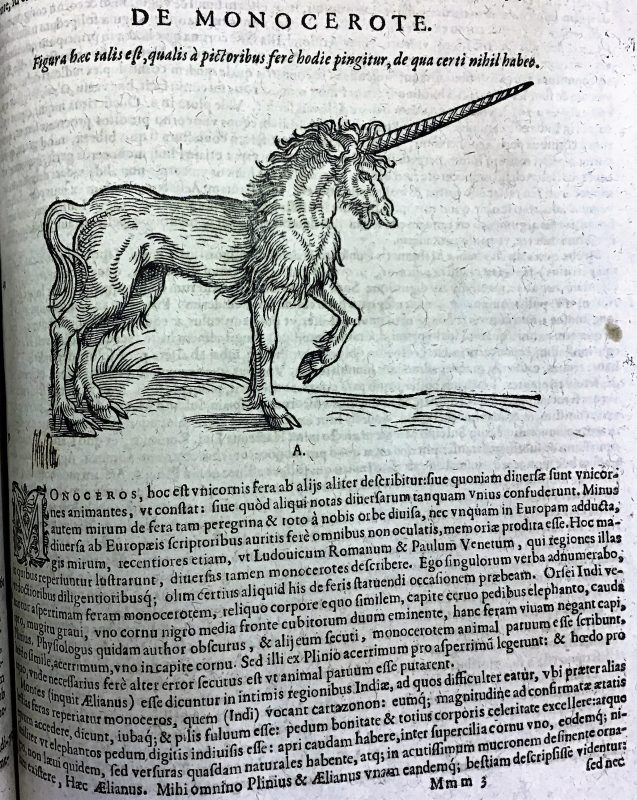
The writing of Historia Animalium proved a monumental task, comprising more than 4,500 pages. The first two volumes describe mammals, the third birds, the fourth aquatic mammals, and the fifth, published posthumously, describes serpents. It was published in the two recognised scientific languages of the day – Latin and Greek.
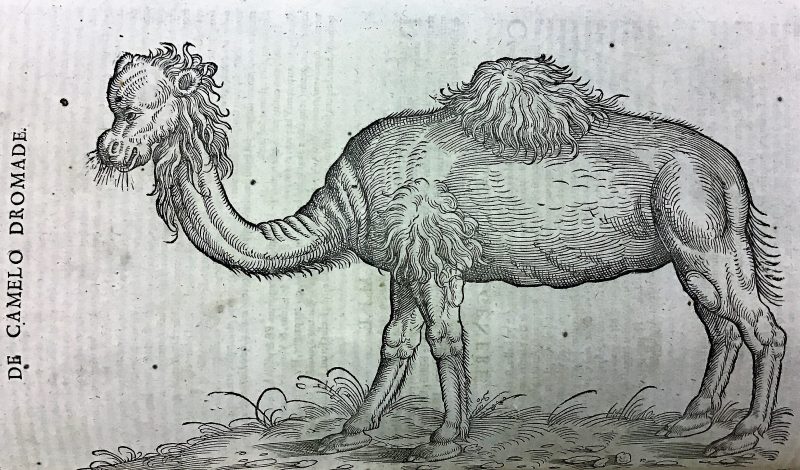
Gesner’s work was groundbreaking and forged a new path in scientific description. Each species in his work is described in great detail, broken down into eight topics, including all the known names of the animal in living and dead languages, the animal’s physical description, geographical range, uses in medicine, and even any mentions in history and literature. Most animals have an accompanying woodcut to illustrate them.
Sadly, Conrad Gesner was to die from the plague at the age of just 49. He left an important legacy to our understanding of the natural world and scientific research.
by Lisa Di Tommaso | Jul 26, 2026 | Blog, Images, Morrab Library, Photographic Archive
This week, I was looking through some brilliant pictures of the various occupations and livelihoods exhibited within the Morrab Library Photo Archive’s Working Lives book. It inspired me to undertake some research about the working lives of my family in the Isles of Scilly.
Although I was born, raised, and currently live in East Devon, my family heritage is deeply connected to the Isles of Scilly and West Cornwall. When I was born, my mum and dad wanted to honour the family connection to the Isles of Scilly by naming me after my third great-grandfather, Samuel Jenkins Guy.
The reason why is apparently we had the same head shape…
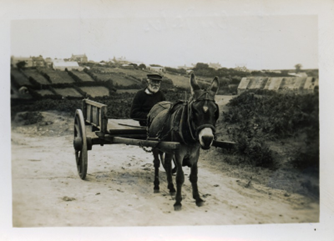
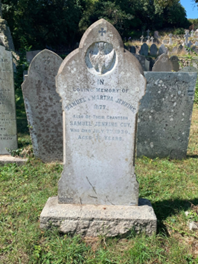
A wonderful image of Samuel can be seen below (you can make your own minds up!):
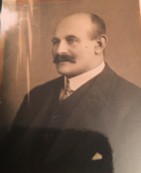
I wanted to take the opportunity to use the library’s photo archive and its vast collection of reference material to further illustrate the working lives of people on the Isles of Scilly during the late 19th and early 20th century.
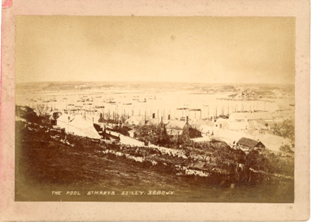
Samuel was born in 1858 on St. Mary’s, Isles of Scilly. He was raised by his grandparents Samuel and Martha Jenkins. He was later entombed with them both after his own death on July 7th 1930. The image below illustrates what Hugh Town, St Mary’s looked like during Samuel’s childhood and early adulthood.
Print of St. Marys, Hugh Town
Now Samuel’s life story has been immortalised by the people of Scilly… but sadly not for the right reasons. In a passage called “Old Sam” in the book, The Cassiterides: My Lovely Islands, Lis Hargreaves described the man as having “The reputation of being the biggest rascal of them all” and that after his death, his ex-wife regarded his burial under an Australian Yew tree as being fitting, as his afterlife would certainly be “down under.”
His reputation derived from ‘a notable career in and out of the local Courts of Justice. The charges were “minor” – like assault- and the magistrates were lenient as Scillonian tradition demanded ‘heavy fines on visiting crooks, leaving the local ones with a criminal record but no lasting charge of rates.’
This blog is not long enough to explore Samuel’s various criminal convictions. Instead, it is looking to understand his working life, and those of his Scillonian counterparts.
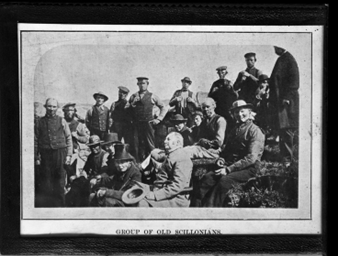
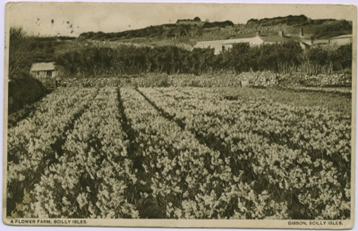
All surviving accounts show that Samuel was an agricultural labourer, which would have seen him work during the seasonal flower industry on the island. Due to the climate of the island, flowers such as cheesewood, speedwells, redclaws, spindle trees, arum lilies, and of course, the famous Isles of Scilly daffodils, all thrived. The collection of photos held by Morrab’s Photo Archive provides a vivid illustration of what the flower industry looked like on the island.
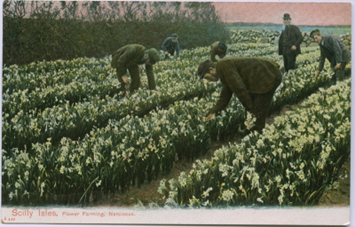
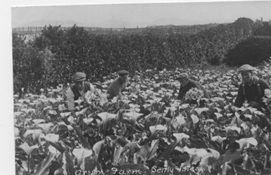
My great, great, great grandfather epitomised the idea of the ‘Economy of Makeshifts.’ This is a theory created by historians King and Tompkins and describes how labourers had to take on additional forms of employment to make up for poor wages.
This theory is relevant for the labourers of the Isles of Scilly, as, for survival on the islands, people had to adopt a range of different seasonal occupations to make ends meet. In The Cassiterides it was noted that ‘Sam sold fresh vegetables- sometimes in error on Sundays when he woke up and forgot which day it was and took the cart out of habit round Hugh Town.’
On the Islands, this would have seen people engaging in fishing, shipbuilding, kelp burning, construction, pilot-shipping, and other small-scale occupations, all to make ends meet.
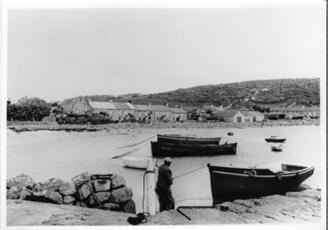
Fishing Boats in harbour
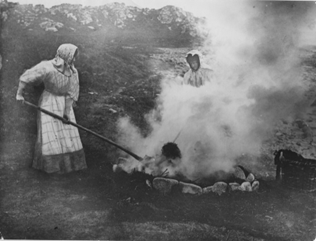
Kelp Burning on Farmland
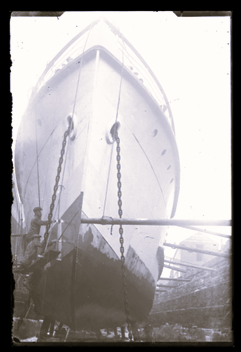
Men working on the hull of the Scillionian
He also demonstrated how dangerous “throwing yourself at any job” can be. It was reported in the Cornishman on June 15th 1905, that:
“On Monday morning whilst Samuel Jemkins Guy was at work in the Carn Thomas School playground, cleaving and blasting stone preparatory to the addition of a new wing to the school, a portion of a charge of dynamite (which had failed to explode with the remainder of the charge fired on Friday) suddenly exploded in the stone on which he was standing, blowing him down…”
“In the Afternoon he was taken on a stretcher to the pier and sent across by the Lyonnness to Penzance, and later he left of the Royal Cornwall Infirmary, Truro.”
After this near-death event, it was noted in the The Cassiterides that Sam then started to believe in the afterlife as “for years he slept by the coffin he’d made ready for his last exit.”
…. Now, with this said, I want to thank my mum and dad for naming me after a man of such an interesting calibre.
Not only have they made it impossible to live up to such a name, but you have greatly inspired my interest in exploring both nefarious sorts and the working lives of our forebearers.
I shall leave you with the beautifully written description from The Cassiterides that states that the present-day generation of Guys “acknowledge Sam as a forebear of the family- rather like an over-size family skeleton in a coffin-shaped box.”
Bibliography
Primary Sources
Cornishman. June 15th ,1905.
Secondary Sources
Bowley, R.L. The Fortunate Islands: The Story of the Isles of Scilly. St. Marys, Isles of Scilly: Bowley Publications LTD, 1990.
Hargreaves, Lisa. The Cassiterides: My Lovely Islands. Truro: Mary’s Walls, 1977.
by Lisa Di Tommaso | Jul 19, 2026 | Blog, Images, Morrab Library, Photographic Archive
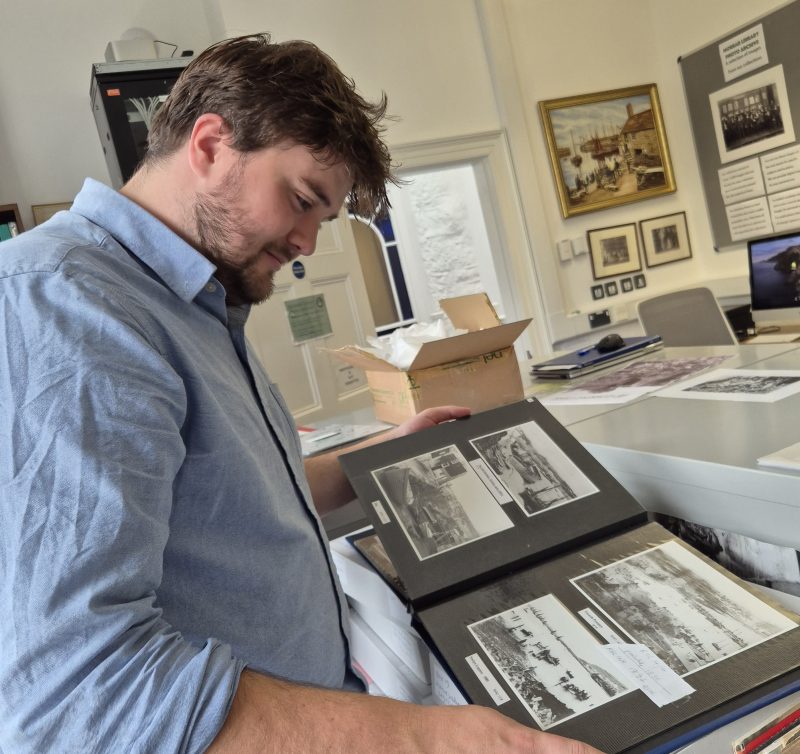
Join our Photo Archive intern, Sam Hill for his fourth blog, written during his time with us…
In our fourth instalment of the “Penzance Then and Now” blog post series, I shall be exploring some of the history of Penzance’s Pubs, Taverns, and Inns. When I was researching the last three blogs, I came across a great selection of images that show the historic nature of the town’s drinking spots.
It must be noted that not all the town’s drinking establishments are respresented in the Morrab’s collections, so if you do possess any historic images of these places please do get in contact with the Photo Archive team, as we would love to preserve them.
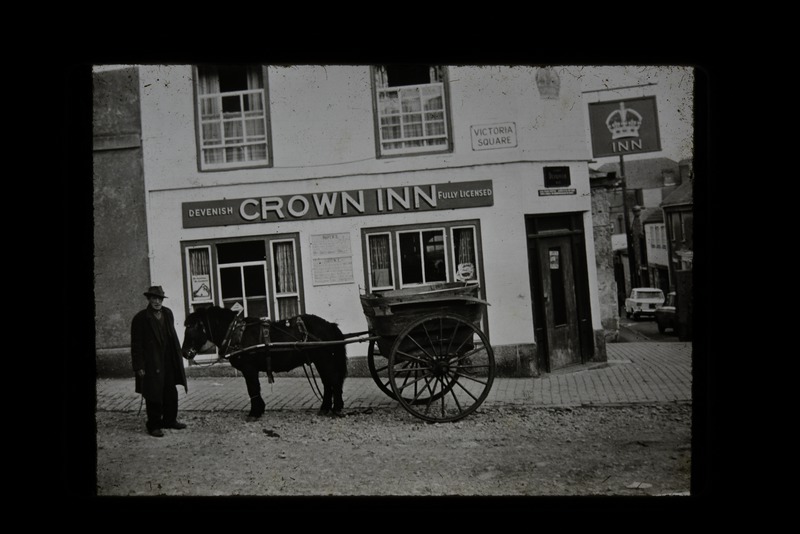
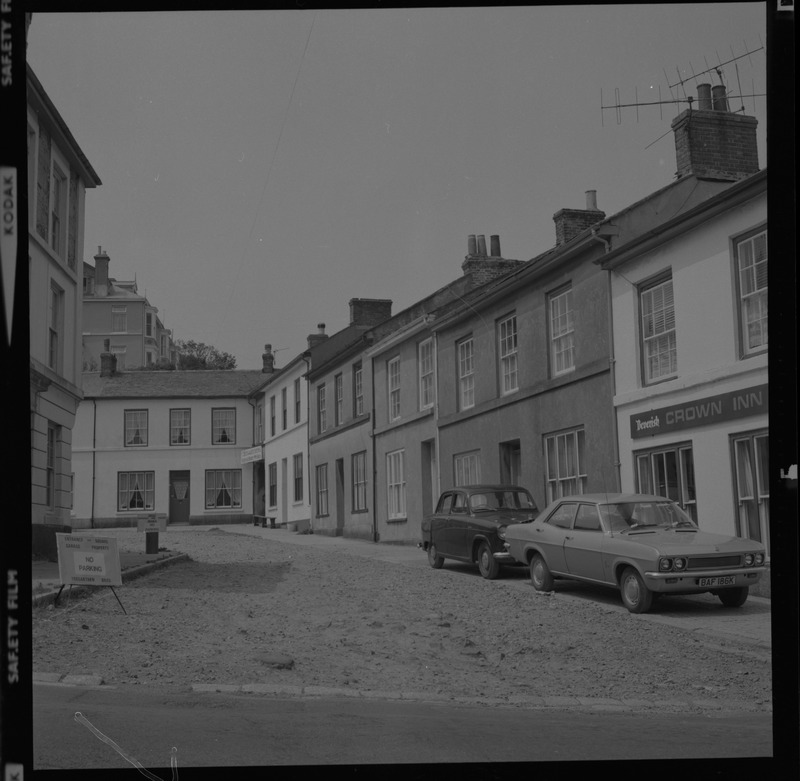
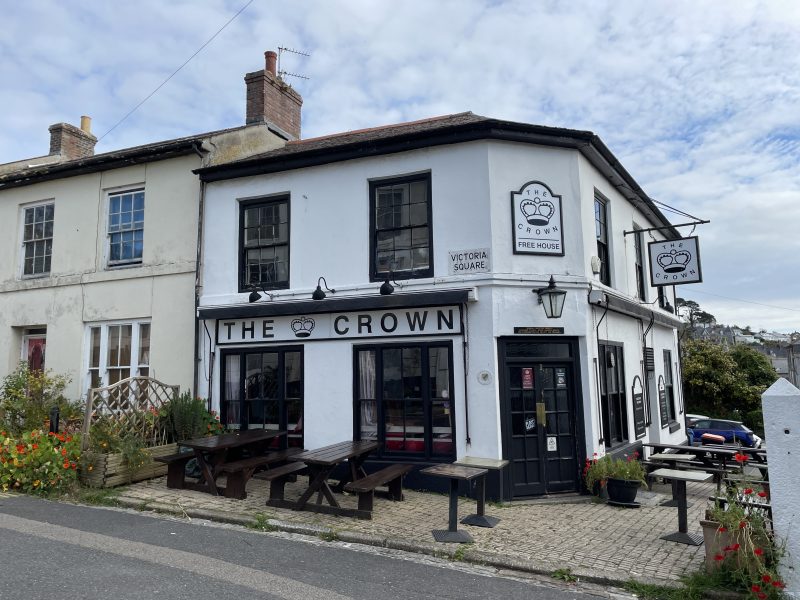
The Crown Inn
The Crown Inn has been designated as a Grade II listed building due to the early 19th century stucco style visible on the building. It is located on Victoria Square, which was constructed in 1829.
The Navy Inn
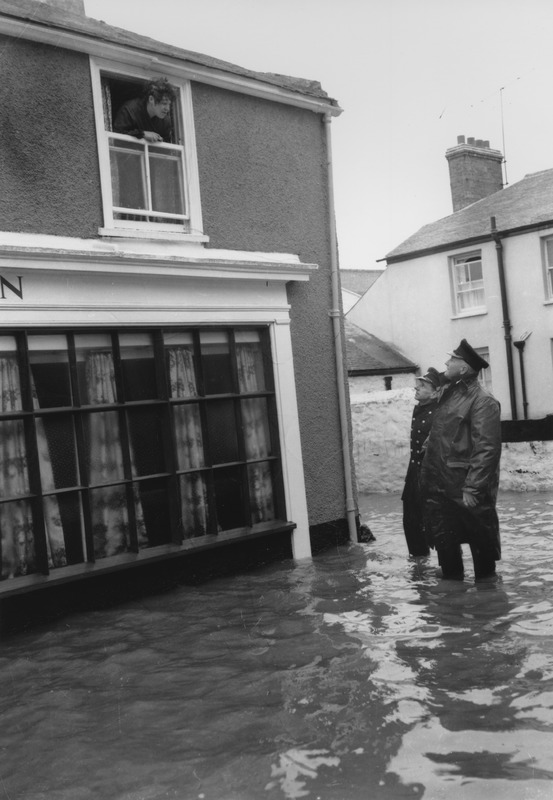
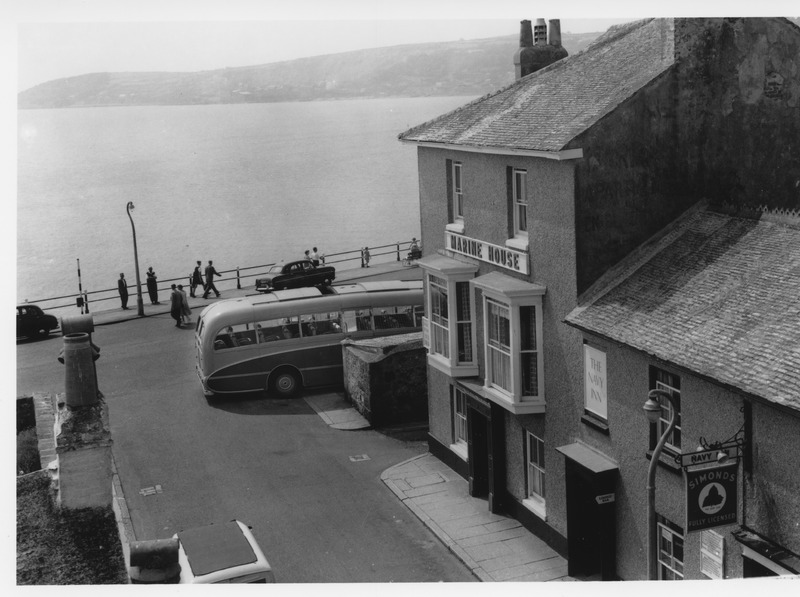
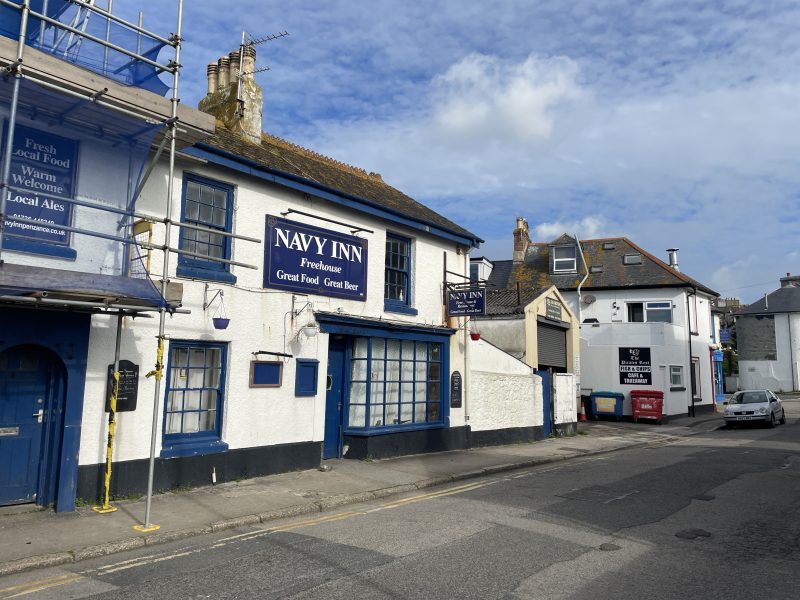
Located near the bottom of Queen Street, the Navy Inn is a 19th century building made from granite and stone. The name of the Inn derives from when the Royal Navy maintained a local depot nearby. The Inn is adjacent to Marine Place, the notorious location of the Marine Place murders in 1886 by James Hawke. The image below show the pub during the Ash Wednesday floods of 1962.
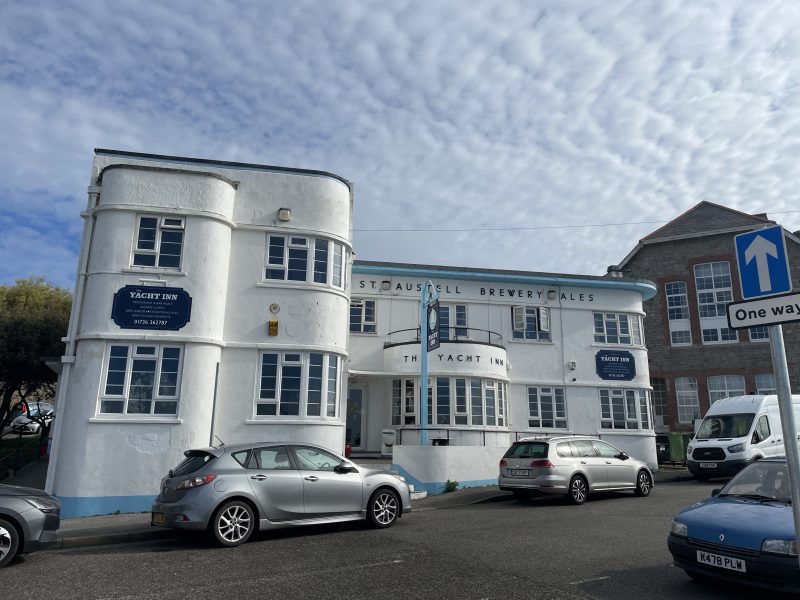
The Yacht Inn
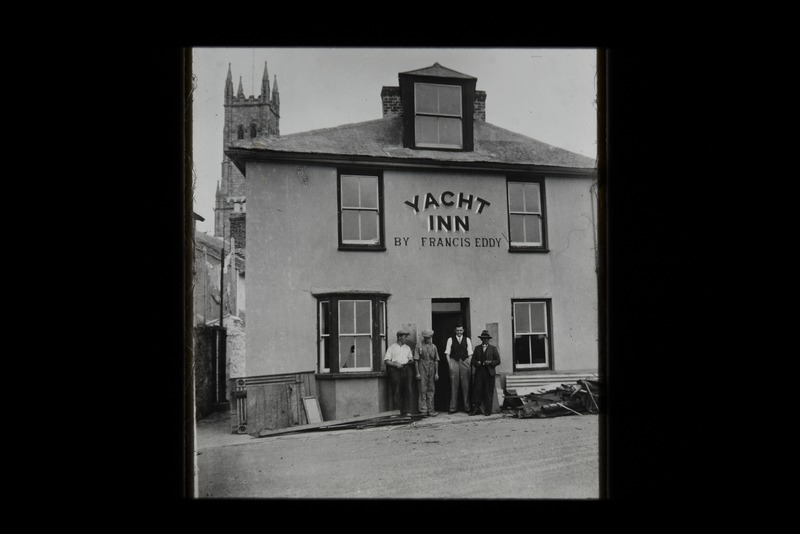
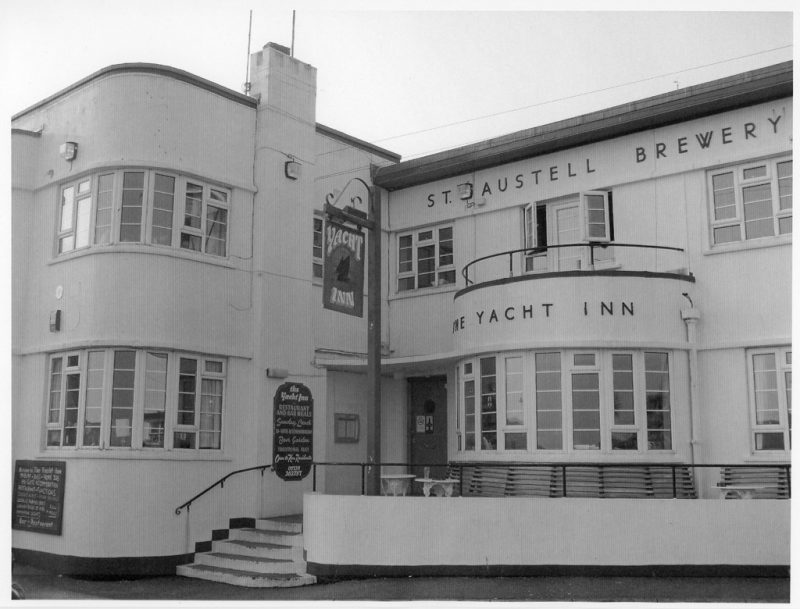
The images below show both iterations of the Yacht Inn. The first photo shows the original building, which was a notable drinking spot for the seaweed gatherers of the town. After the construction of the Jubilee Pool in 1935, the Yacht Inn reopened with a new structure designed by Collins Minor Drewitt to resemble a bridge of a luxury cruiser.
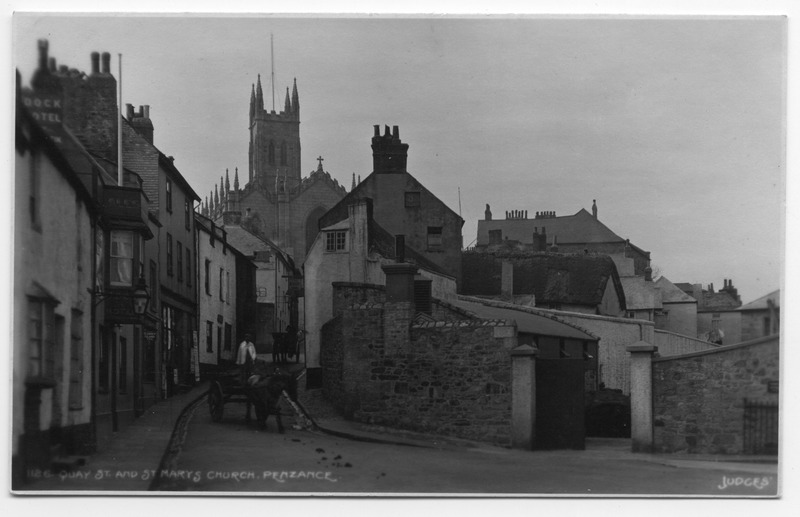
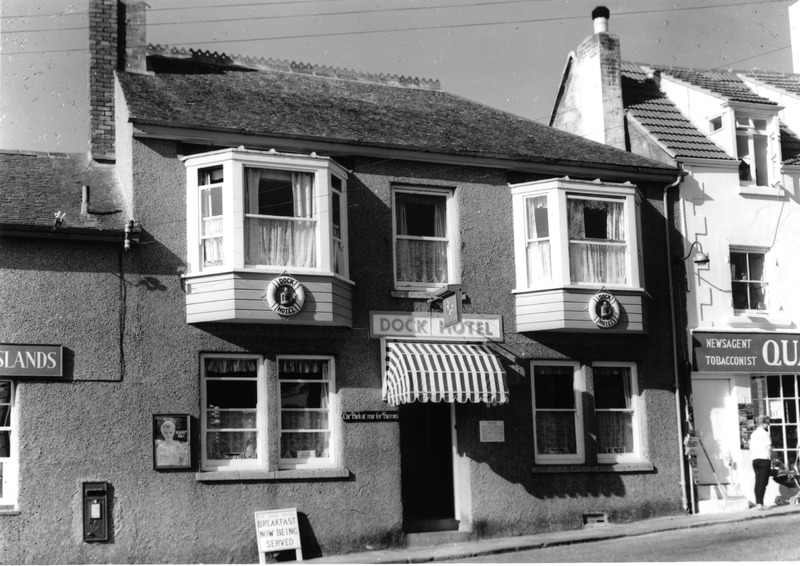
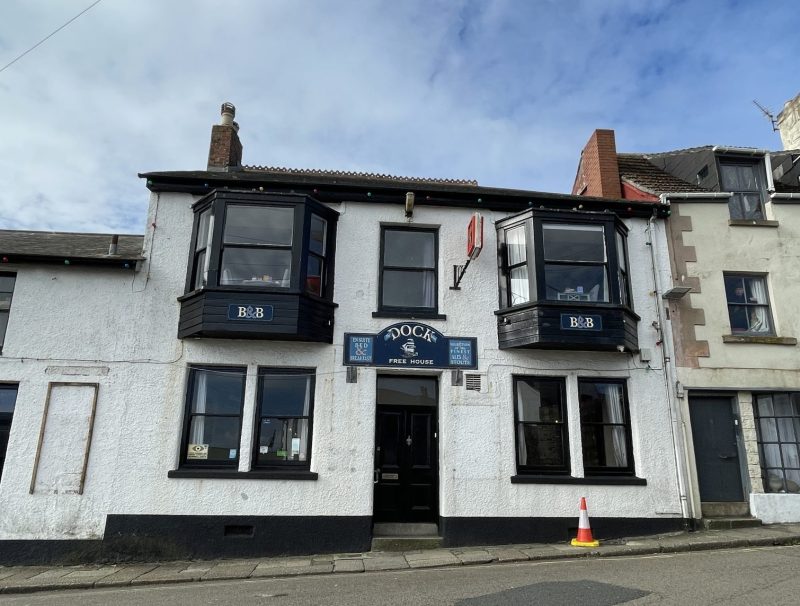
The Dock Inn
Located at the bottom of Quay Street, the Dock Inn is an historic pub and B&B that has stood on the quay since the 18th century. It would have been a popular drinking spot for the sailors, fishermen, and townsfolk of old.
The Dolphin Tavern
One of Penzance’s most famous pubs, the Dolphin Tavern has a long and fascinating history. A building has been present on site since the 14th century, firstly being used as a recruitment centre by Vice Admiral John Hawkin before the Spanish Armada, and later, a local courthouse. The infamous Judge Jeffreys handed out severe sentences against smugglers and other criminals, with the ‘hanging room’ located in the basement. The tavern has reported numerous supernatural apparitions, with a young fair-haired man, a young Victorian woman, and a sea captain called George being seen.
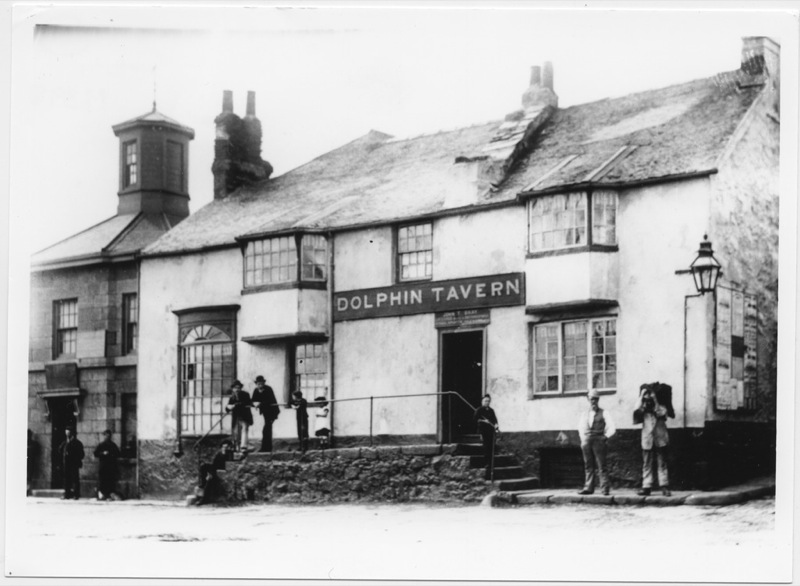
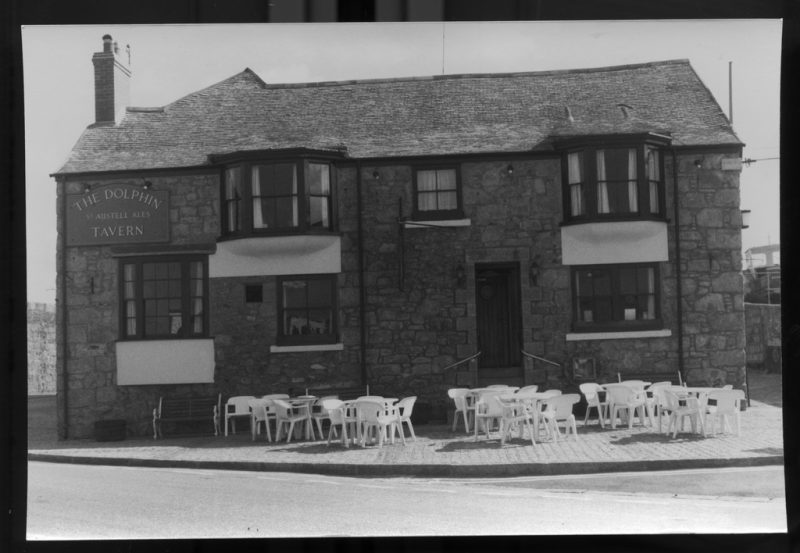
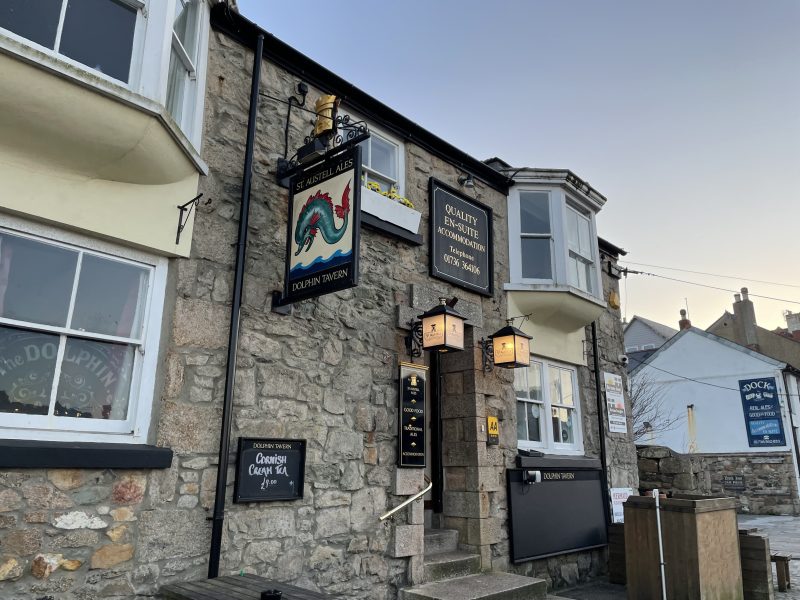
The Turks Head
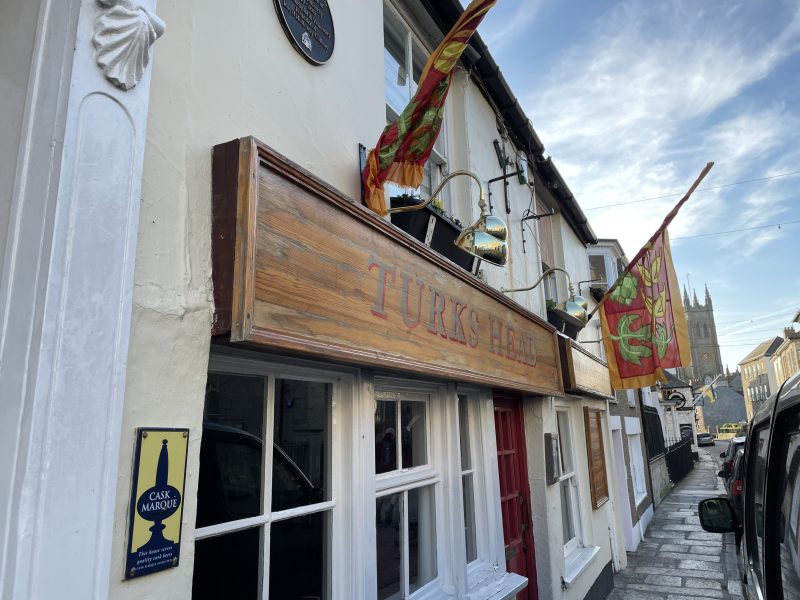
Supposedly the oldest pub within the town, the Turks Head is one of the first in England to bear its name after the Saracens, whom Christian Knights fought in the Crusades. After the Spanish burnt down most of Chapel Street during their Raid on Penzance in 1595, the Turks Head was one of the few stone buildings to have survived the blaze.
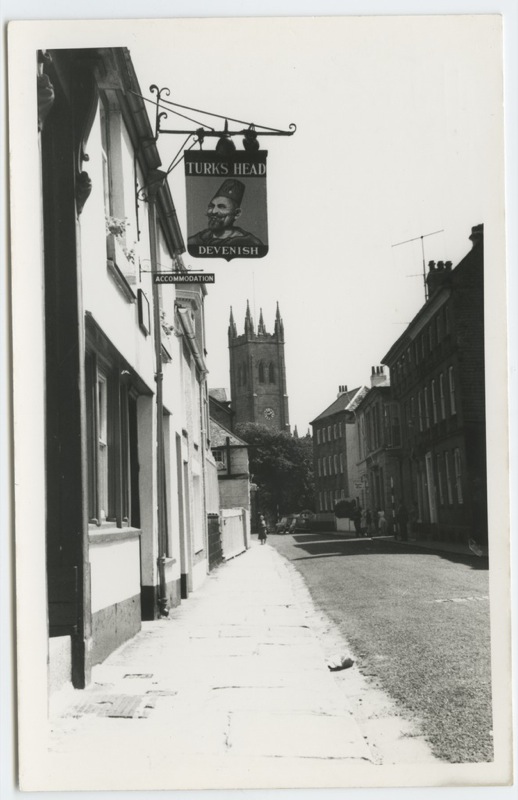
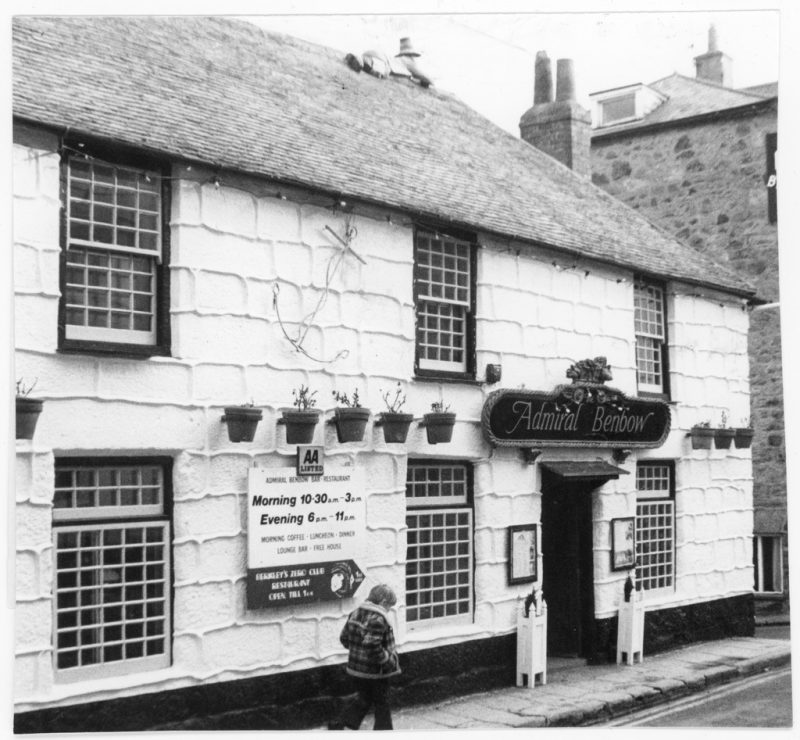
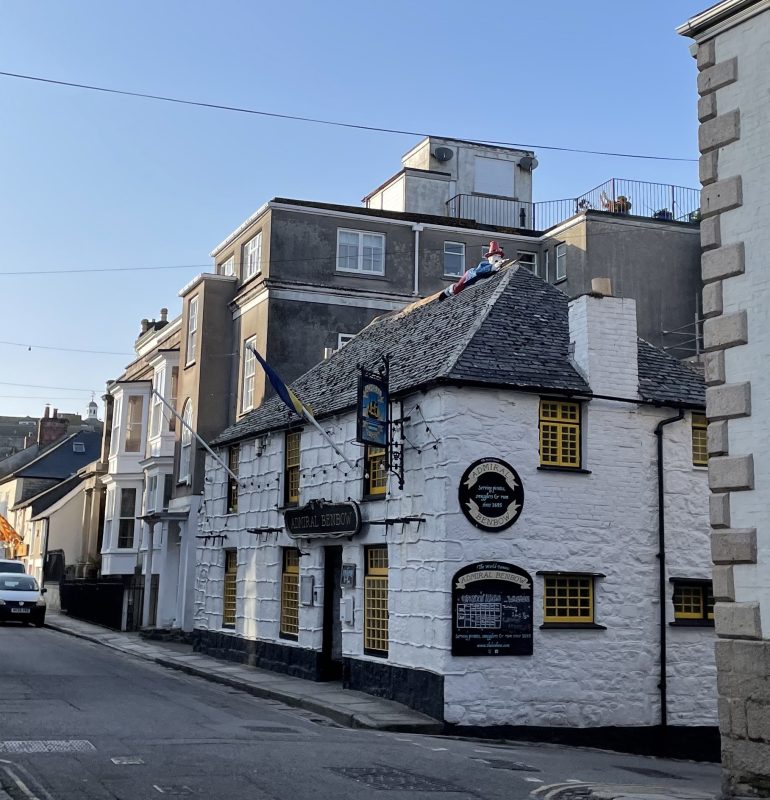
The Admiral Benbow
This pub was built by local legend and maritime salvager, Roland Morris, by combining two old cottages. The pub is home to an array of nautical paraphernalia, including ship figureheads, lanterns, and flint lock pistols. Local legend says that when it was a sailor’s rest during the 18th century, the building supposedly possessed an underground tunnel that ran down to the harbour to allow smugglers to move contraband product. One of the armed smugglers has been immortalised on the roof of the pub.
The Pirate Inn
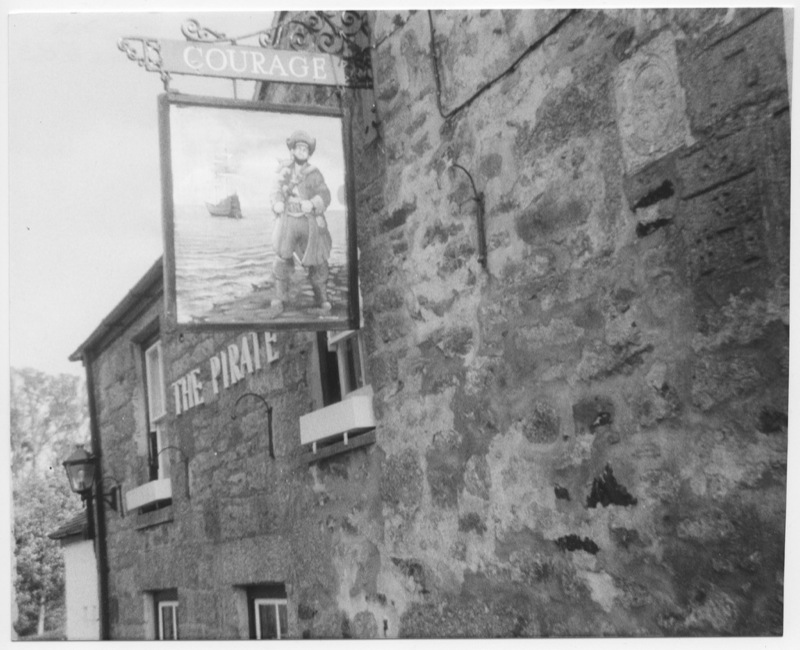
The Pirate Inn on Alverton Road was originally a traditional farmhouse built either in 1674 or in 1701. These dates are known from two dates carved directly into the stonework. The building did not become a public house until 1953, in which the name of the pub most likely derived from Gilbert and Sullivan’s comic opera The Pirates of Penzance.
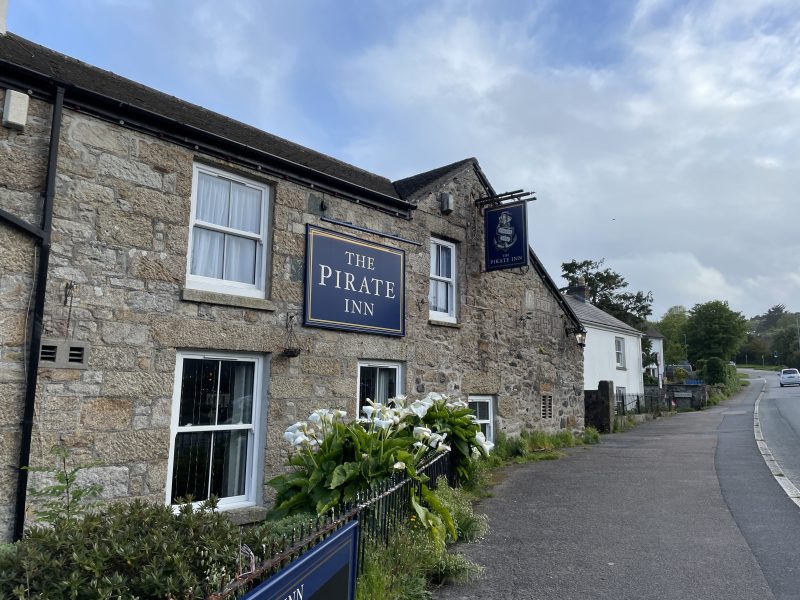
I hope you have enjoyed this visual pub crawl of some of the pubs of Penzance!
All the photos used in this post are accessible from the Morrab Library’s Photographic Archive, the link to which is here: https://photoarchive.morrablibrary.org.uk/
by Lisa Di Tommaso | Jun 24, 2026 | Blog, Images, Morrab Library, Photographic Archive
Join our Photo Archive intern, Sam Hill for his latest blog, written during his time with us…
In the second instalment of the “Penzance Then and Now” series, I shall be using the Morrab Photo Archive Collection and some contemporary images for comparison to explore the history of the Promenade and Alexandra Road.
During the late 19th and early 20th century, Penzance faced an immense period of change. Enlargements to the harbour in 1825, the building of the new Market House in 1838 and the construction of the Public Buildings in 1867 were notable changes to the town. The seafront underwent the grandest changes, as the arrival of the railway and tourism led to the construction of both the Promenade in 1844 and Alexandra Road in 1865. These changes drastically altered the economic focus and social conditions of the town.
Alexandra Road was designed by 1865 by John Matthews, with the aim that it would connect Alverton to the Sea. It was opened by the Prince of Wales later in the same year. The road opened with a pair of houses, which later became the Beachfield Hotel.
After the destruction of the cottages on the opposite side of the road to the Beachfield hotel, the ornate ‘Bijou house’ was built in 1880 by Sidney Wright and was later demolished in 1950. This is now where Wherrytown car park is.
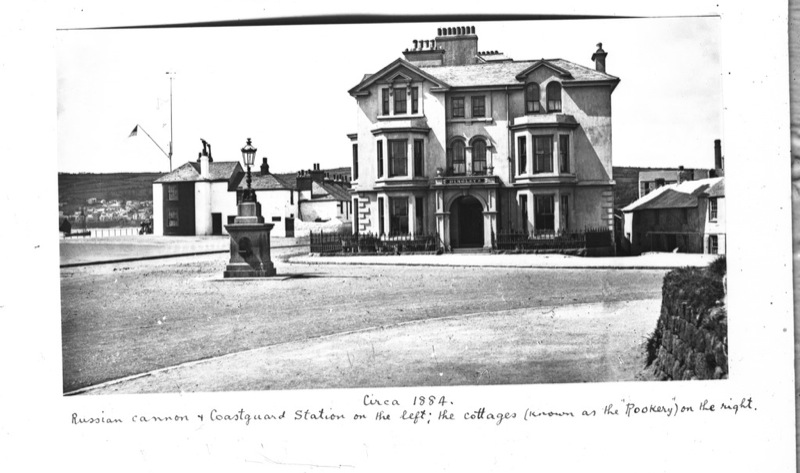
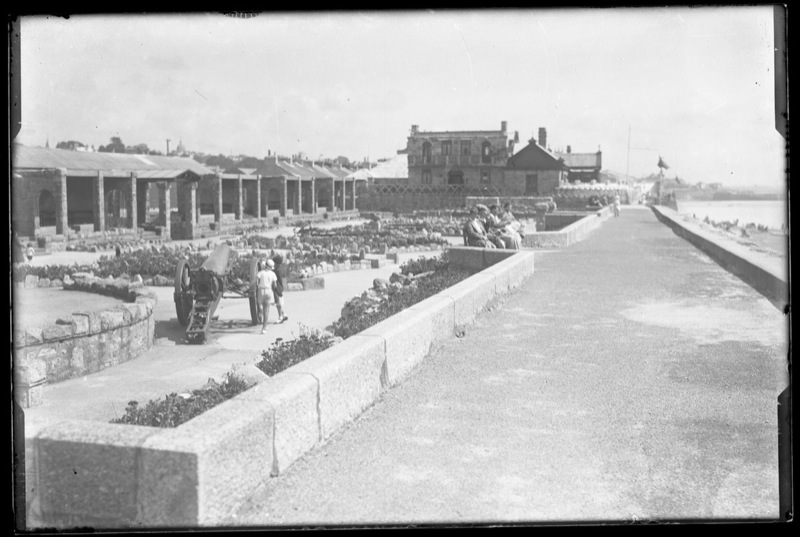
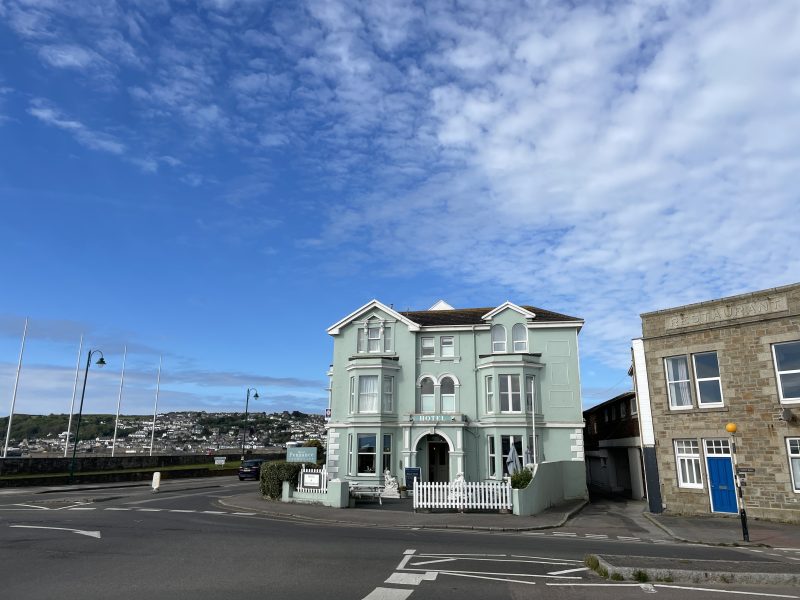
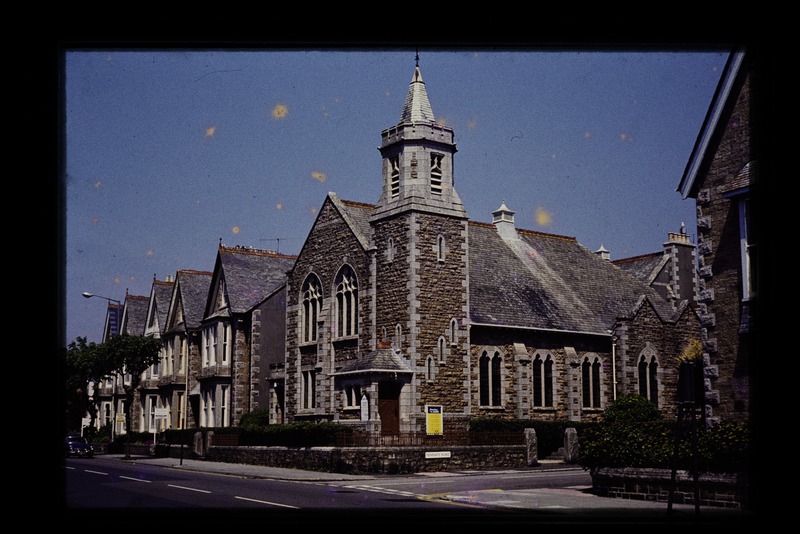
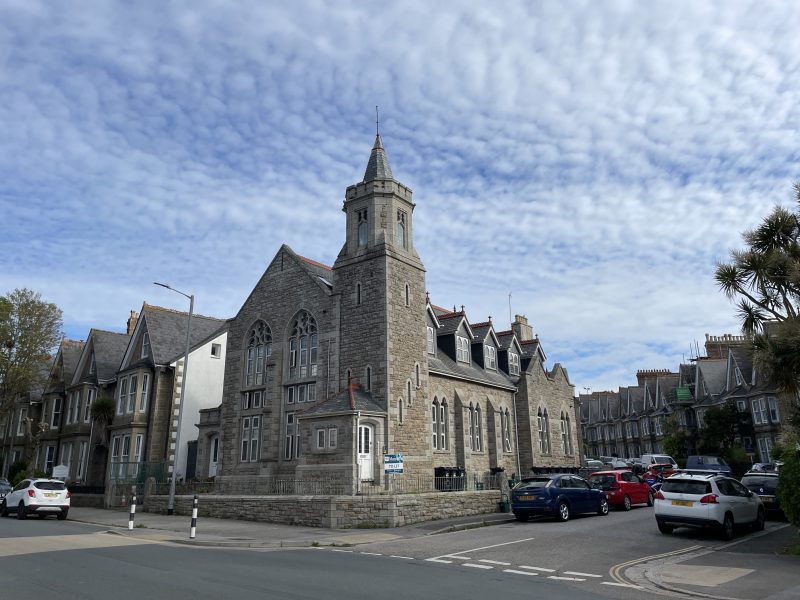
It was later in July of 1903 that the Alexandra Grounds were opened on the promenade, with the area being a designated ‘green space’ for the town. By the 1920s, a bowling green and a tennis court were built next to the St. Mary’s Church of England School. The spaces around the road eventually became the rugby pitch, Mennaye fields in 1934 and the Rotary Boating Lakes in 1955.
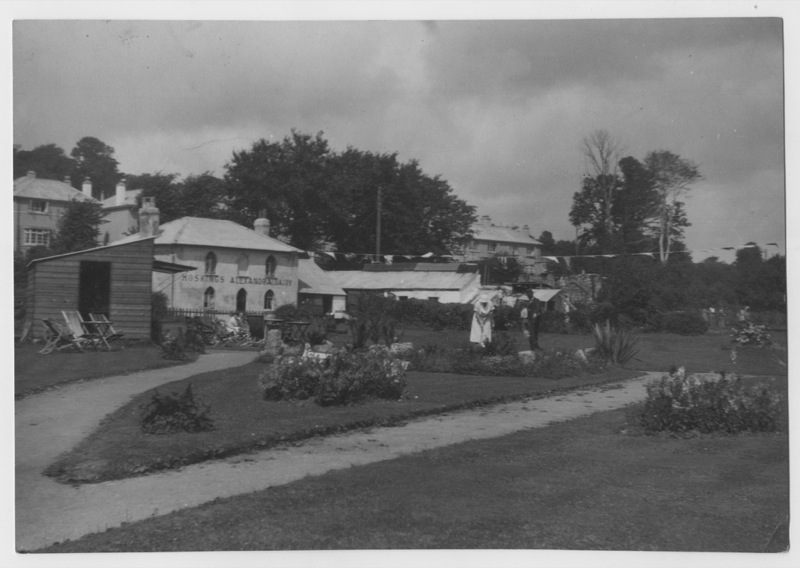
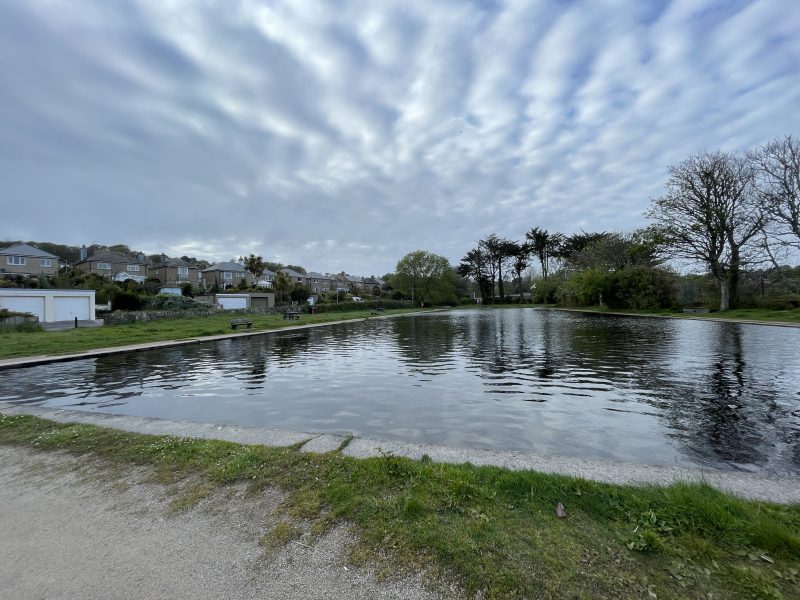
The Pavilion (now the arcade) was built in 1911 to serve the flourishing tourist industry. It held a restaurant, theatre, and ballroom. During the Second World War, concert parties were held within the building to keep wartime morale high.
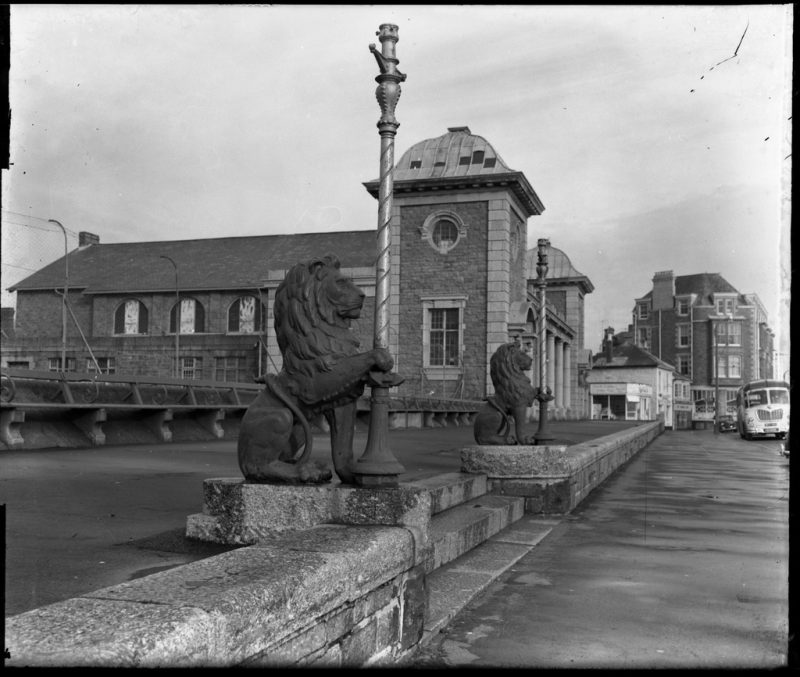
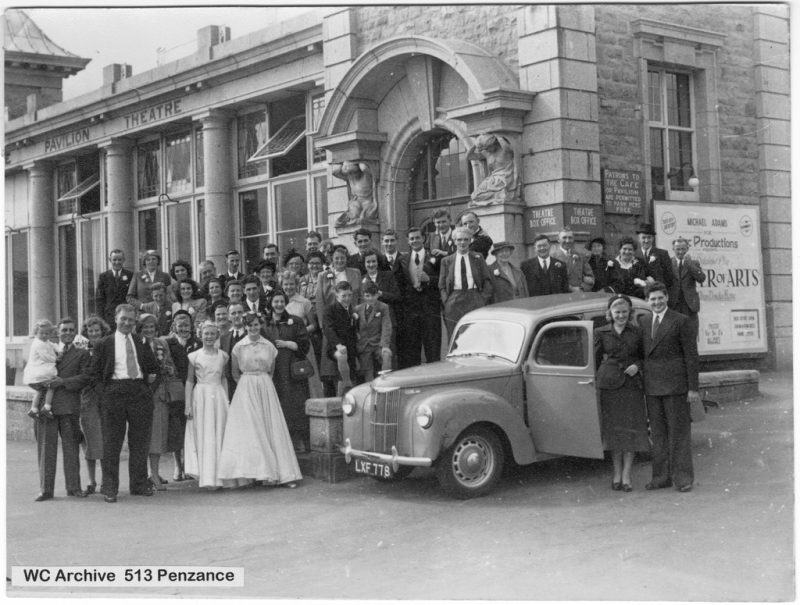
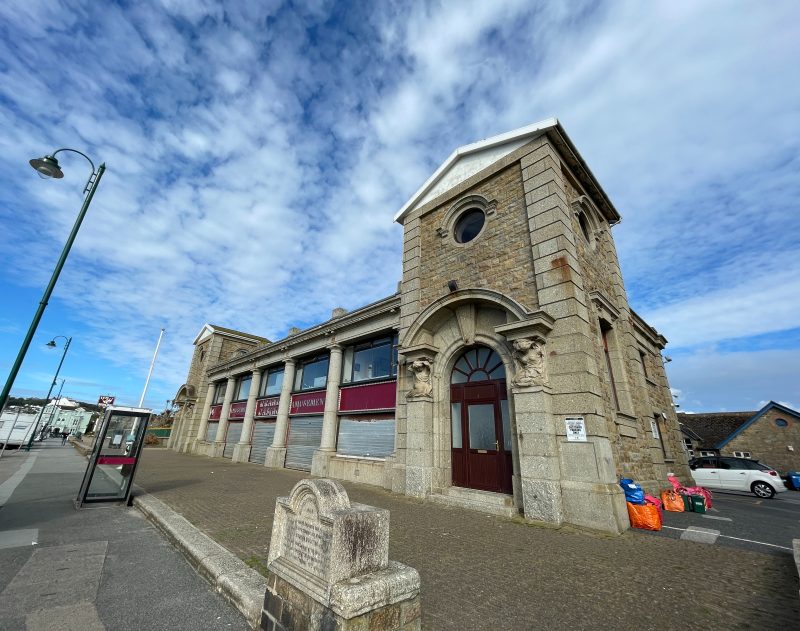
The construction of the promenade or Marine Esplanade in 1844 drastically changed the vision of the town’s industry, as the space now catered for a tourism trade brought about by the Cornish Riviera trainline. The occupation of such space was a facet in the diminishment of the local fishing industry
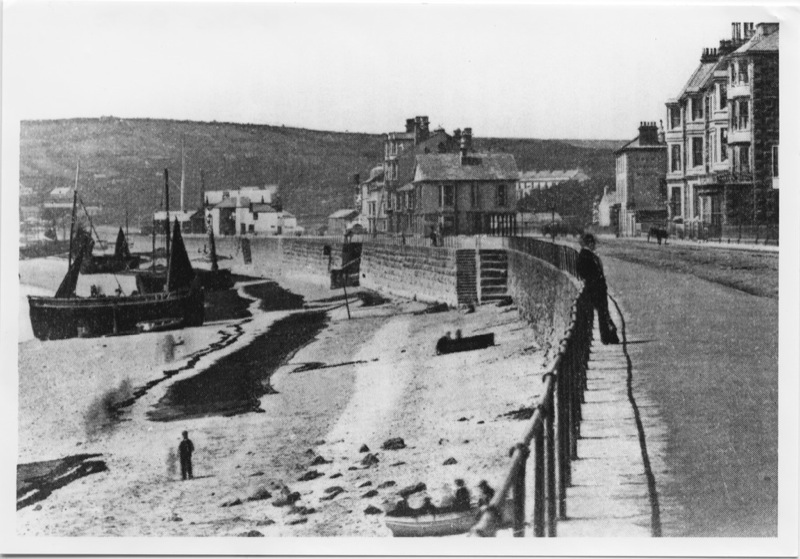
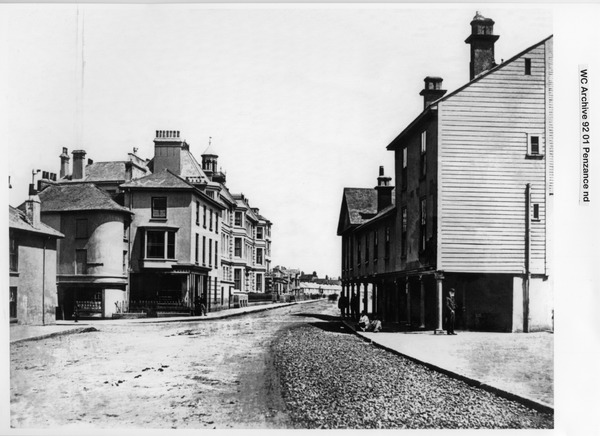
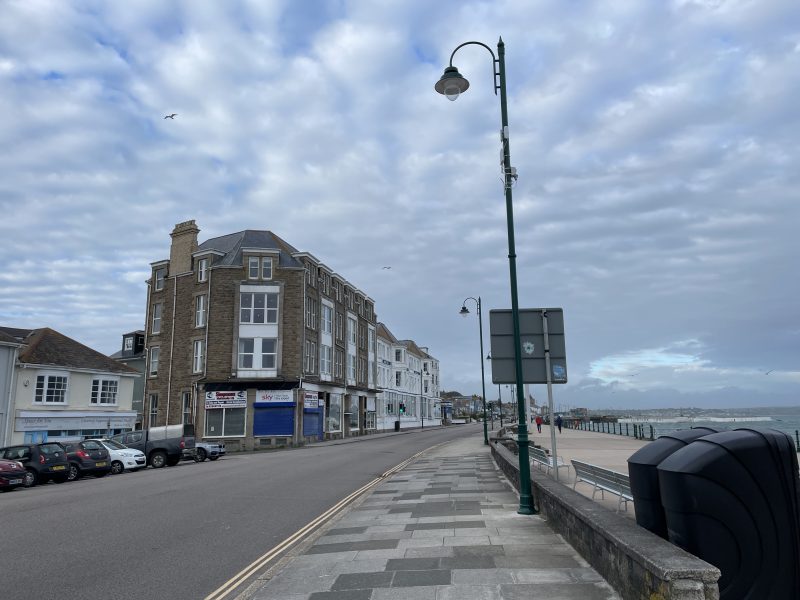
Both the Mounts Bay Hotel and the Queen’s Hotel were built to accommodate the tourist trade brought about by the train line from Penzance to London. The buildings were constructed in the 1860s.
The construction of the Bathing pool, now Jubilee Pool on Battery Rocks in 1935 was one of the first achievements of the reconstructed town council. The pool was built with a distinctive Art Deco style.
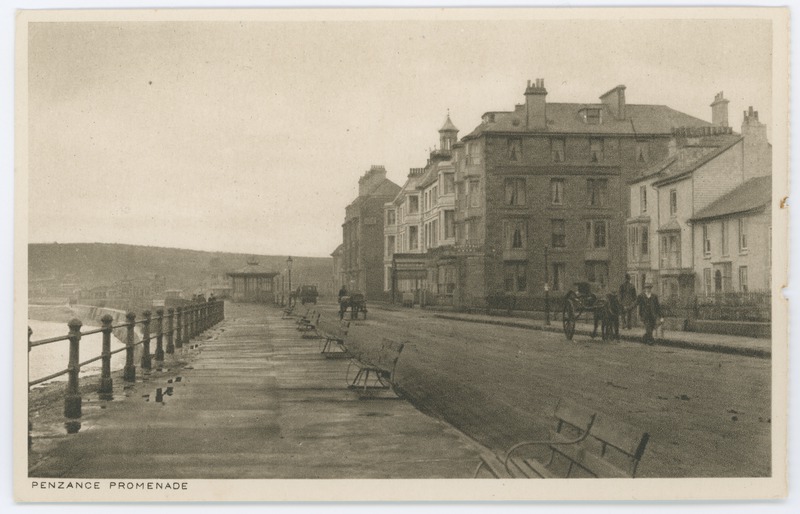
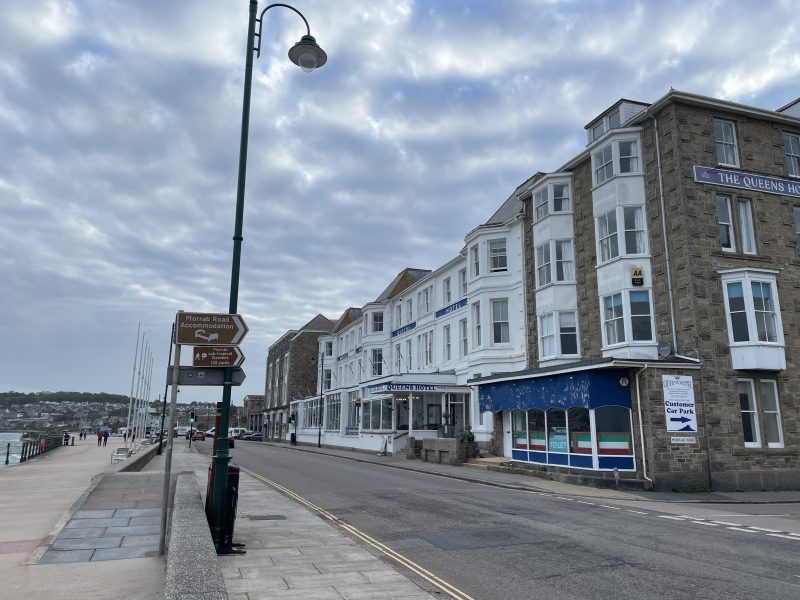
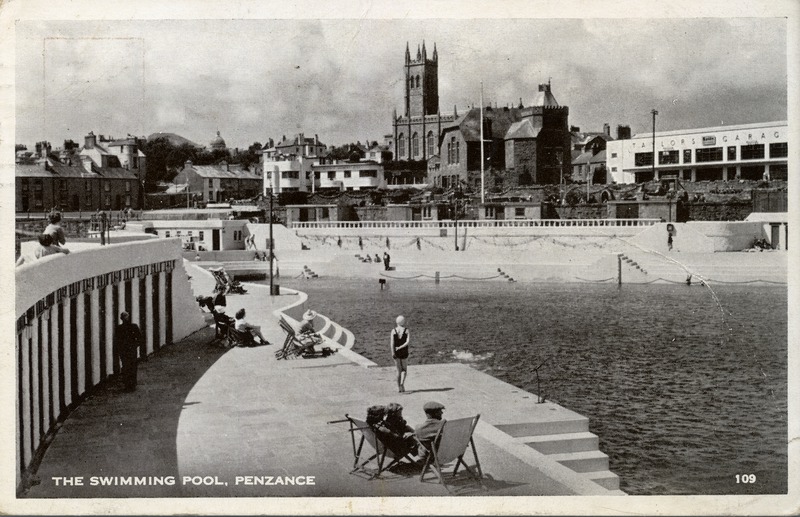
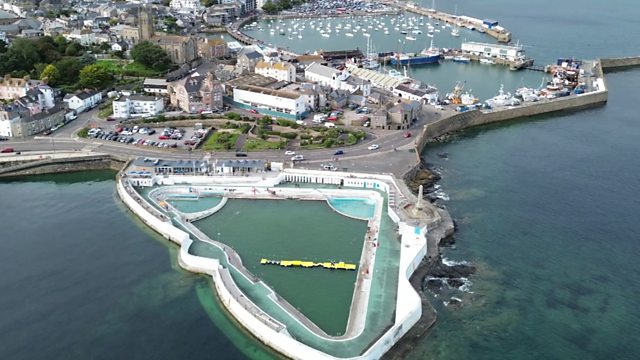
I hope this blog has infused you with a great summer feeling and that it has brought back fond memories of times“promenading” along the seafront. These photos are incredibly useful for understanding how tourism and leisure changed the physical landscape, economic focus, and social conditions within Penzance.
More photos of the promenade, the town centre, the harbour, and everything in between are available on the photo archive online collection, the link to which is here: https://photoarchive.morrablibrary.org.uk/