
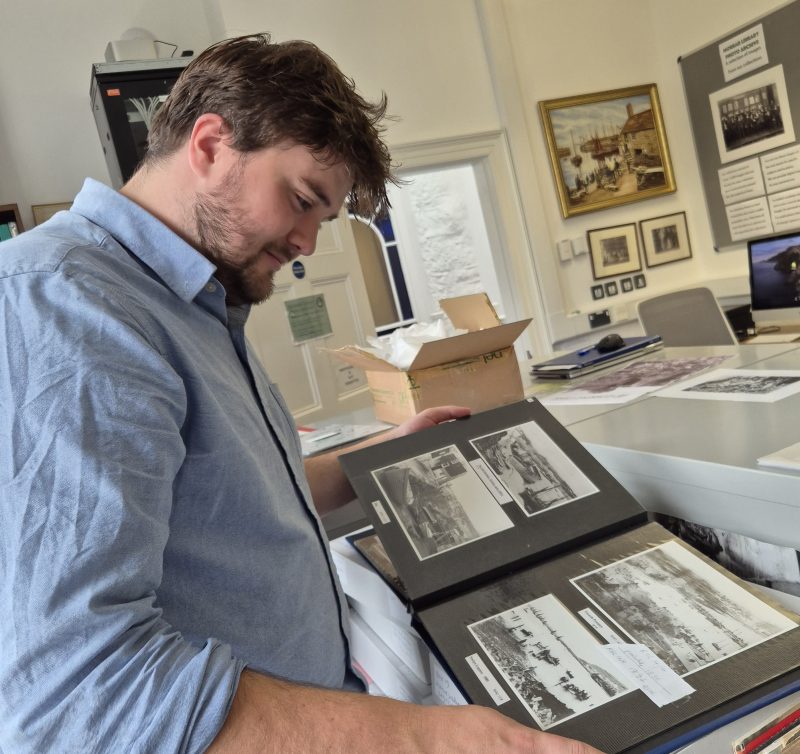
Join our Photo Archive intern, Sam Hill for his latest blog, written during his time with us…
In the third instalment of the “Penzance Then and Now” series, I shall be using the Morrab’s Photo Archive Collection and some contemporary images for comparison to explore the history of Alverton on Penzance’s western side.
The area of Alverton has a long history, first being named within the Domesday Book of 1086, when the manor of Alverton was owned by a Saxon called Alward. The name Alverton stems from the name ‘Alward’ and the ‘tun’ meaning town or important settlement.
Hawkes Farm is a notable building along the road, with the farmhouse being in constant use throughout the 18th and 19th centuries. The name of the farm derives from Richard Hawke, a flour storekeeper, who lived there with his wife and son in 1841.
One of the most notable residents at Hawkes Farm was Samuel Pellow, whose family moved to Penzance in 1746. Pellow or later the Admiral Lord Exmouth had a longstanding career in the British Navy and saw action in conflicts during the French Revolutionary Wars. He was portrayed by Robert Lindsay in the late 1990s television show Hornblower.

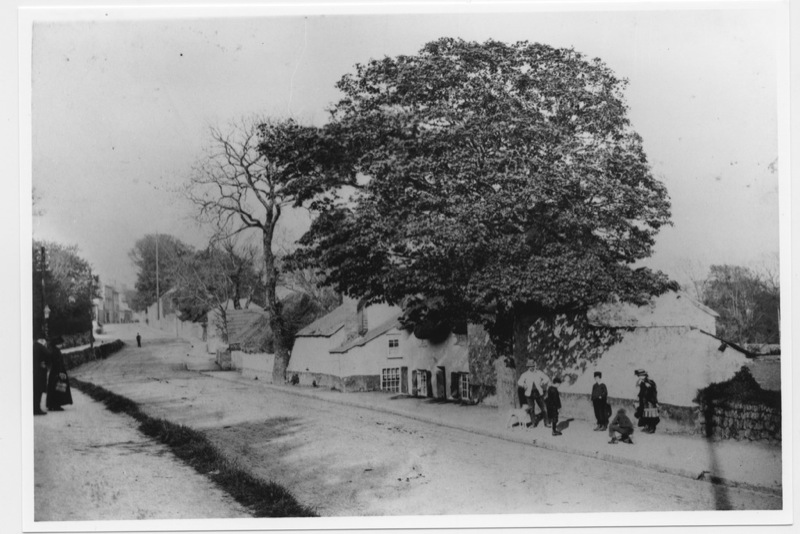

Images 1,2,3
Polwithen Lodge was built to serve the nearby Polwithen House, which was built in 1870 by William Bolitho. The house was home to the gardener of the grounds, and recent discoveries have unearthed an underground tunnel that connected to the cellar of the Lodge and Polwithen house. This would have been used in the daily commercial and domestic lives of the Bolitho family.
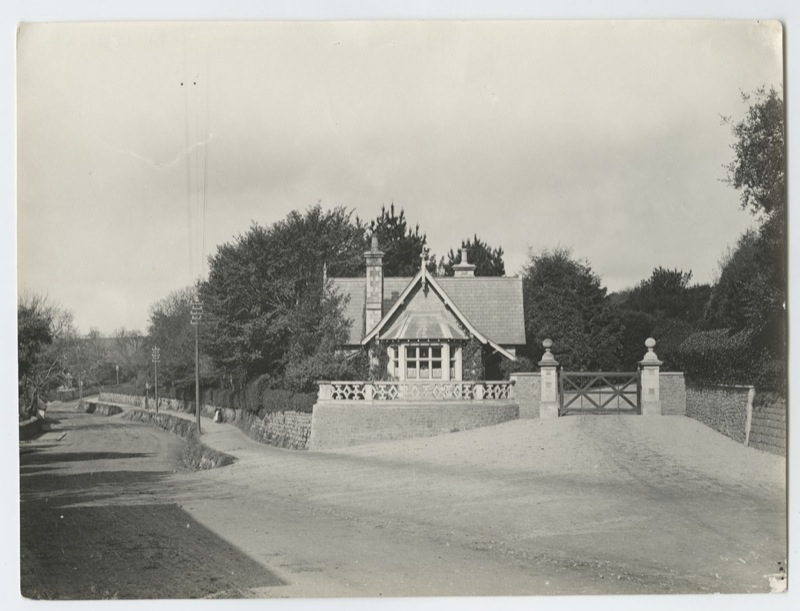

Images 4 and 5
The area of Alverton starts at the First and Last Inn, which served as a carrier’s and jaunting car house, serving the Royal Mail Coaches and travellers to the Land’s End and the surrounding area.
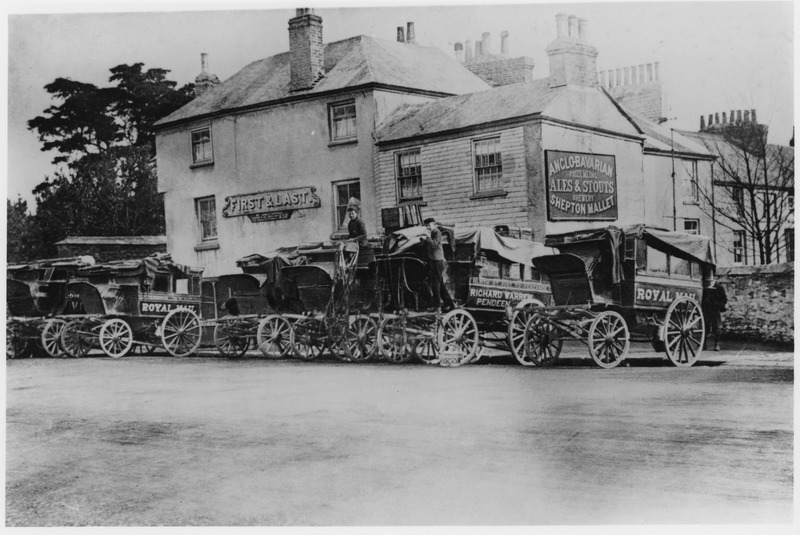

Images 6 and 7
For most of Alverton’s history, the area had been open countryside with a few cottages and farms seen along the lane out of Penzance. The land on the North side of Alverton Road was referred to as Alvern-Weith or Alvern-Weeth. This was due to the number of willow trees that were being grown for the local production of basketwork.
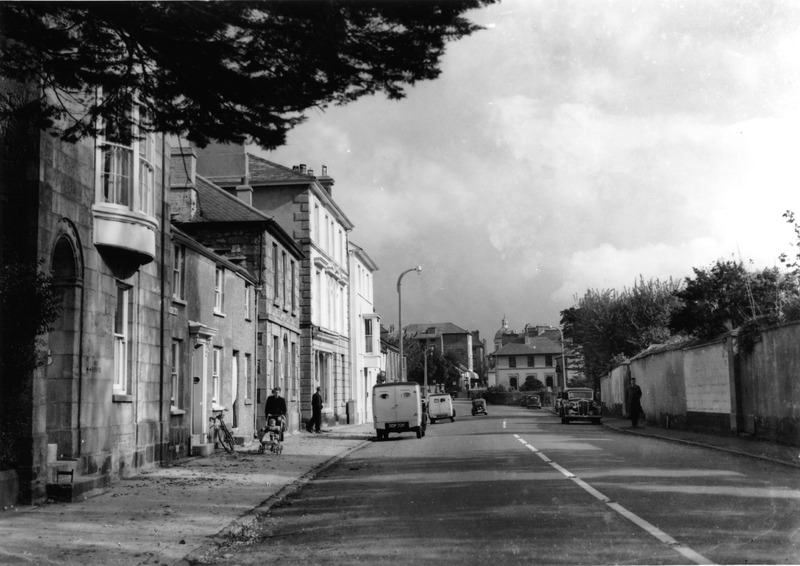
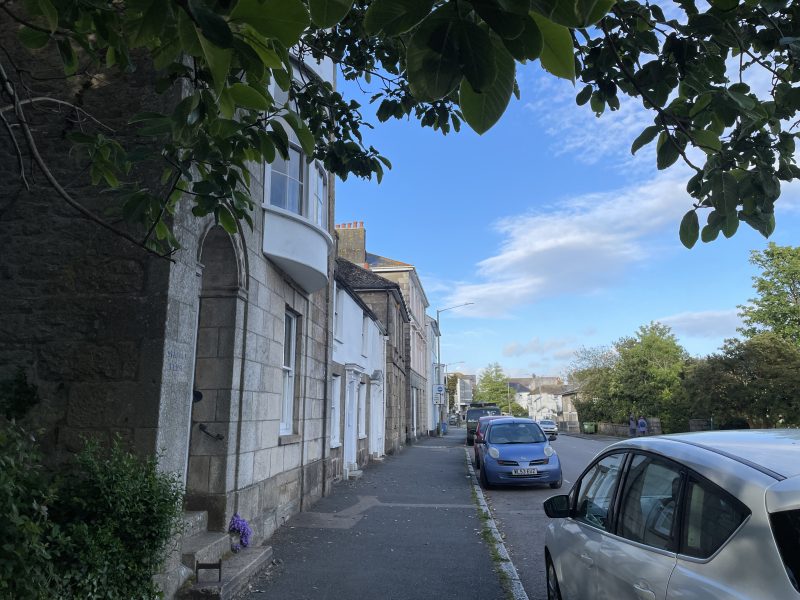
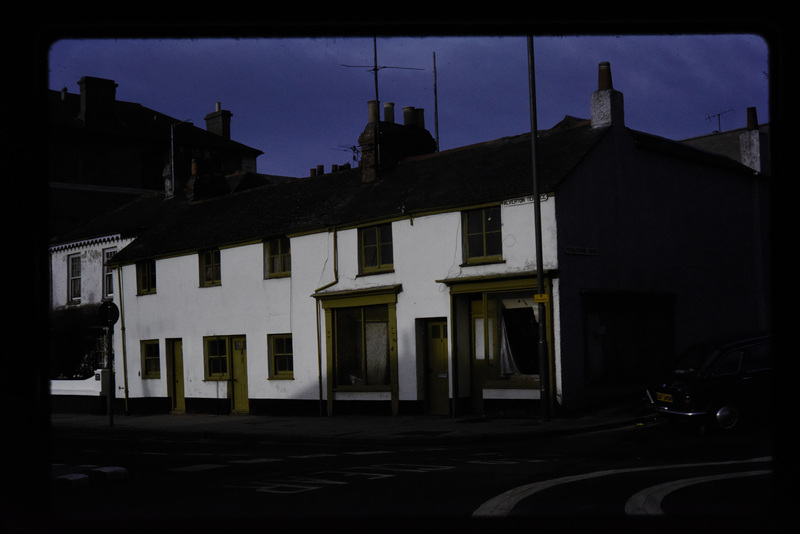
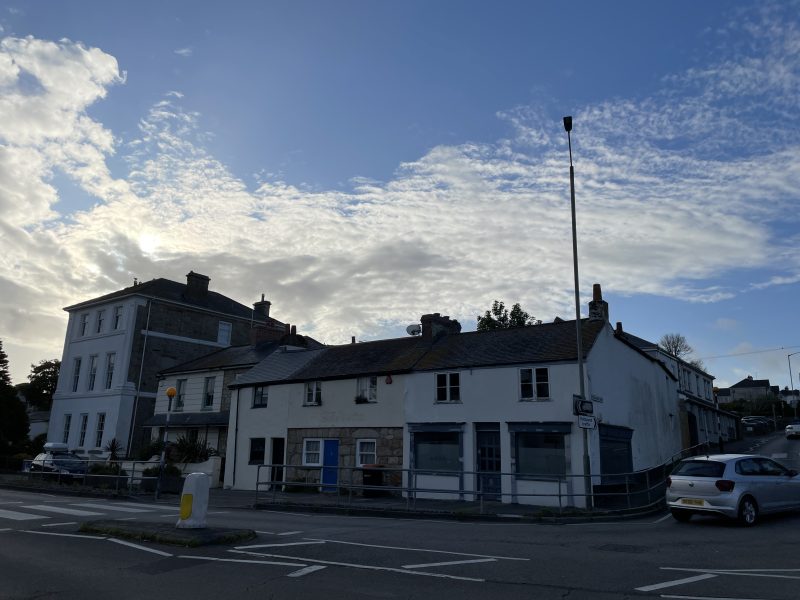
Images 8, 9, 10, and 11.
I hope that you have enjoyed this scenic look at Alverton. Its long history is too broad to detail in this blog, but if you are interested in seeing more, please use the Morrab Photographic Archive, using this link: https://photoarchive.morrablibrary.org.uk/