
Here is the second in a series of blogs written by our Photo Archive intern Sam Hill. Read on to discover more about the relationship between humans and marine creatures, told through our photographic collections.
Warning: This blog features images of marine animals in distress.
The maritime communities of Cornwall are no strangers to creatures of the deep. For centuries, brave fishermen have spun yarns and stories of mermaids, sea serpents, and spectral ships, but what happens when these creatures are captured on film and preserved in the archive?
Okay, I would be lying to you if I said that mermaids and sea monsters had been captured on camera. But Cornish men and women have faced REAL monsters of the deep. This blog will use photographic evidence to explore the various ways maritime communities interacted with “creatures of the deep” and what this can reveal about their relationship with marine wildlife.
One of the major means of interaction is through fishing. The fishing industry was primarily concerned with pilchards, mackerel and herring, but in many cases, larger animals were also caught. This is apparent in image 1, as the photo encapsulates how a hardy Cornish fisherman has reacted to capturing such a huge lobster- by stoically scowling and smoking a cigarette (presumably to calm his nerves!).
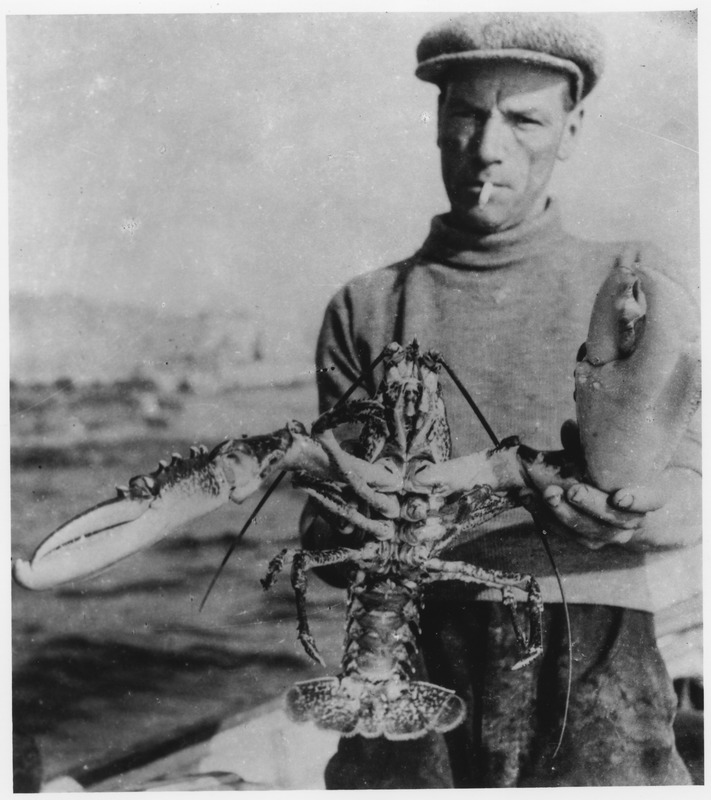 Image 1: Fisherman Holding a Large Lobster, 1911-30. https://photoarchive.morrablibrary.org.uk/items/show/11276
In some cases, fishermen revelled in the opportunity to pose with creatures captured at sea. Image 2 displays the sheer pride of the men capturing a Blue Shark along the coast. The capture of these creatures of the deep caused additional logistical problems for fishermen trying to get their catch to market, with Image 3 demonstrating how a large sturgeon caused a hand-drawn cart to be hauled by three able workmen!
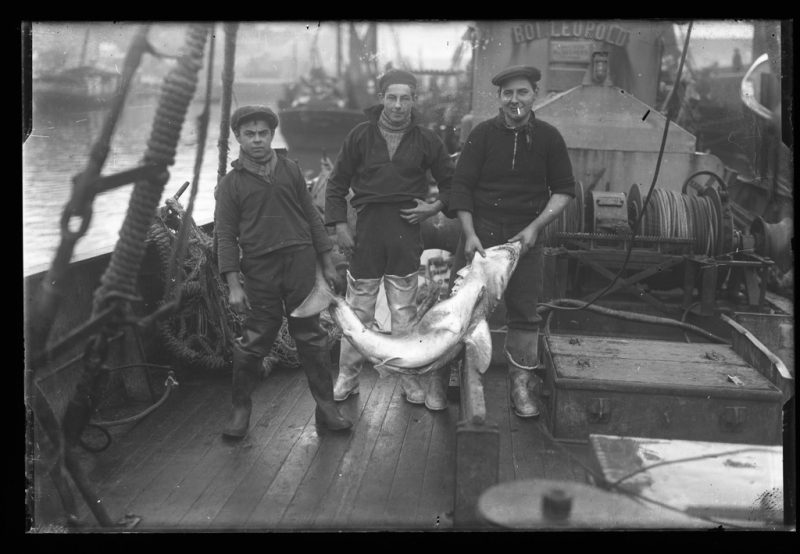 Image 2: Captured Blue Shark held by Crewmen, 1934. https://photoarchive.morrablibrary.org.uk/items/show/11287
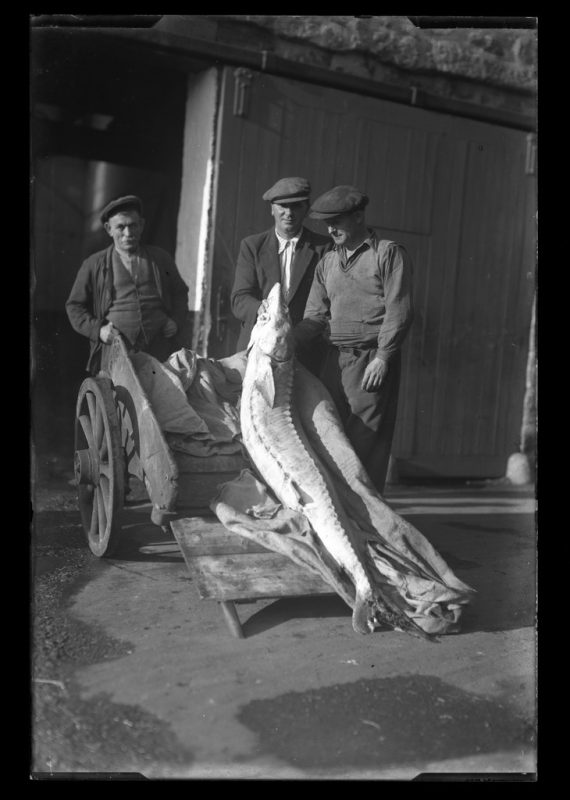 Image 3: Men with Sturgeon, 1936 https://photoarchive.morrablibrary.org.uk/items/show/11297
A second, yet unfortunate way these interactions occurred was through animals becoming stranded on Cornwall’s beaches. The use of photography to capture these events reveals the morbid curiosity of people to examine the appearance, size, and number of creatures that washed up on nearby shores.
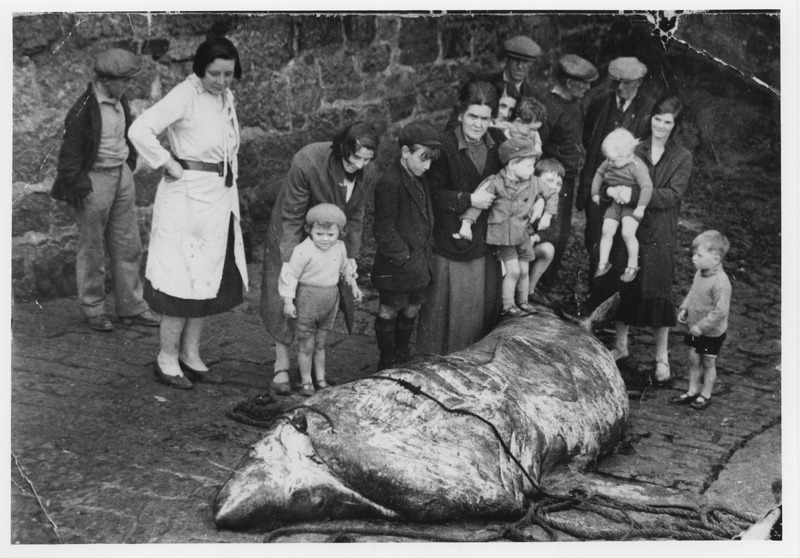 Image 4: Group Looking at Basking Shark, Lighthouse Pier, Newlyn https://photoarchive.morrablibrary.org.uk/items/show/11280
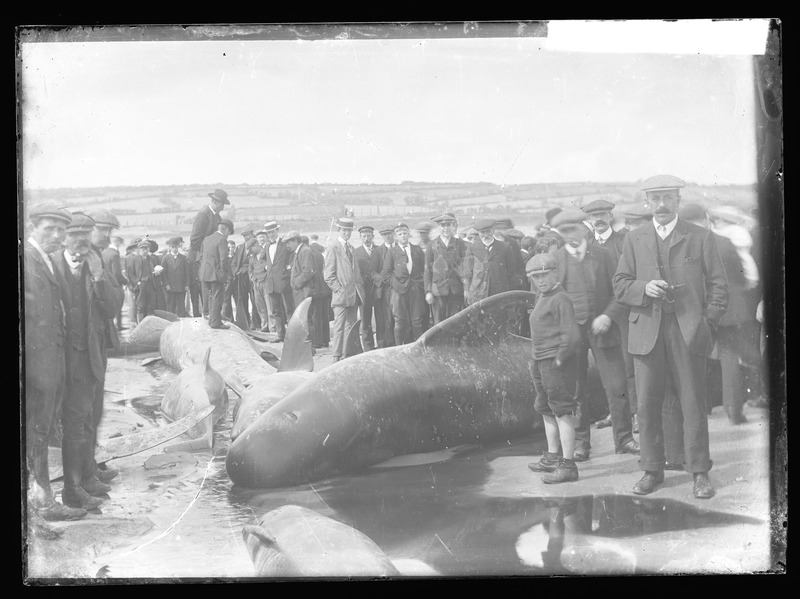 Image 5: Crowd, beached whales Eastern Green Beach https://photoarchive.morrablibrary.org.uk/items/show/11266
This curiosity is vividly captured in Images 4 and 5. In both photographs, well-dressed crowds gather to observe the fate of a pod of whales and a basking shark. This fascination a nd the event itself led to the stranded whales being depicted in the postcards shown in Images 6 and 7.
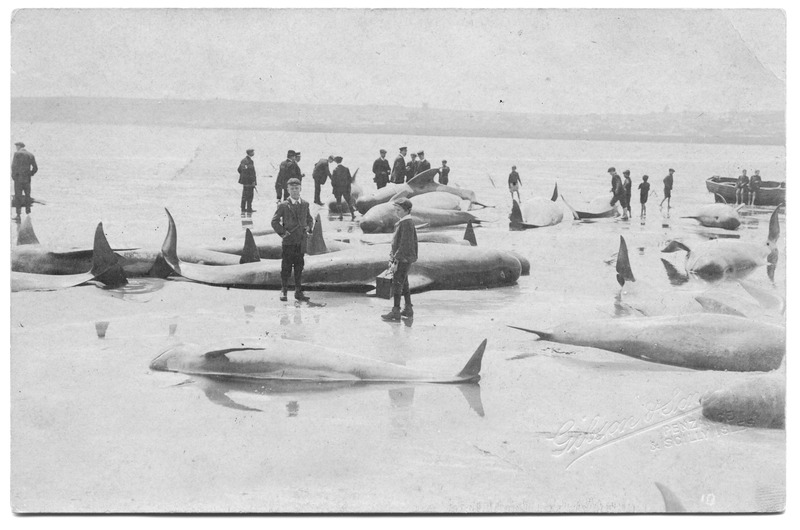 Image 6: Postcard, Whales Stranded in Mounts Bay https://photoarchive.morrablibrary.org.uk/items/show/16793
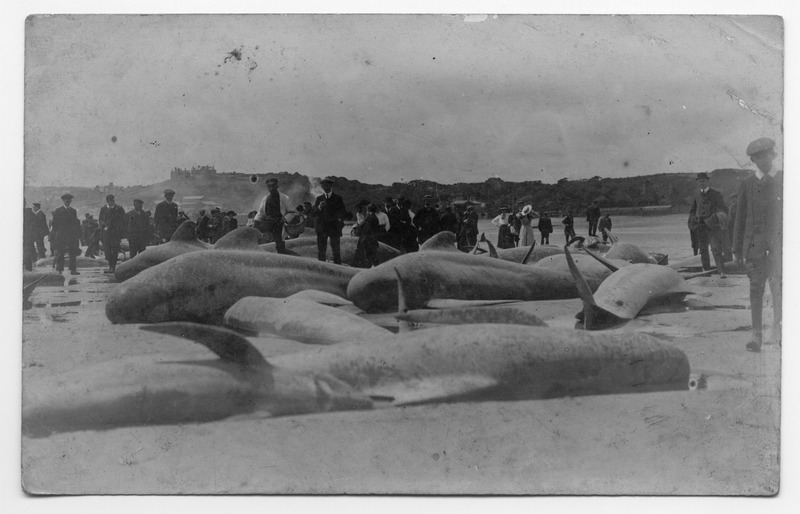 Image 7: Postcard Whales Stranded in Mount’s Bay https://photoarchive.morrablibrary.org.uk/items/show/16792
A further way in which communities interacted with such animals was through the imagination of local people. This links back to the yarn-spinning of yesteryear, but the technology of the 20th century encapsulated how people created and showed off these so-called “creatures of the deep.”
A so-called “shark” was presented to a puzzled yet intrigued crowd on a beach in Image 8. The image shows how a group of fishermen or sailors clearly saw a humorous opportunity to carve a piece of driftwood to appear as a captured basking shark. This type of hoax was repeated years later, as Image 9 shows a proud group of men holding a very strange animal “captured” from the deep.
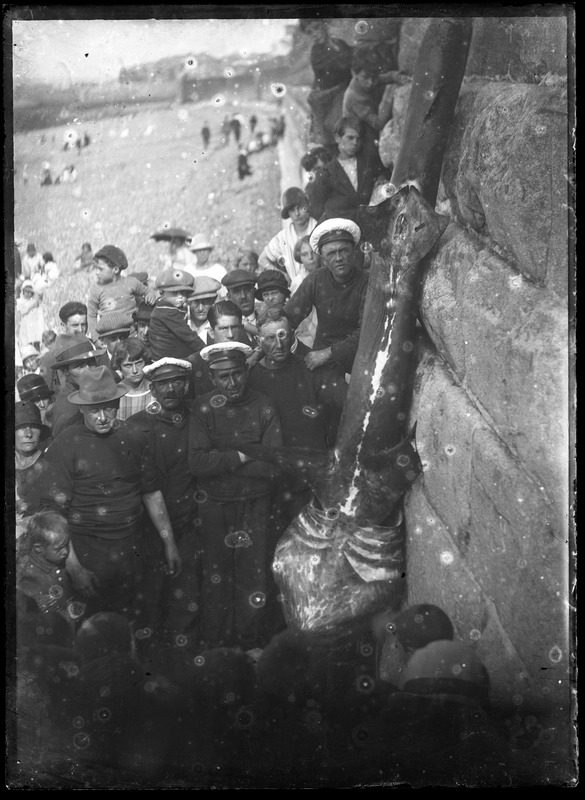 Image 8: Group of People Looking at a Wooden Shark https://photoarchive.morrablibrary.org.uk/items/show/18606
 Image 9: Men Holding Wooden Shark https://photoarchive.morrablibrary.org.uk/items/show/20140
The use of the Morrab’s Photo Archive reveals the various interactions that maritime communities had to the maritime wildlife of the area. The photographs’ ability to capture the visual reactions, the fascination, and the imagination of people of these intriguing occurrences are very important for understanding how our own reactions to such animals have been shaped.
If you are interested in marine wildlife, maritime communities, or photographs more generally, I would implore you to take time to look through the Photo Archive held by the Morrab Library, all available to search for free via their website: https://morrablibrary.org.uk/photo-archive/
 Sam Hill