
Blog
Tags: Archeology, Conservation, Books, Cornwall, Archives, History, Collections
Archives, Jane Austen and a love affair with Morrab Library – a student’s perspective.
In 2021, Exeter University student J.T. Albright made his first visit to Morrab Library, one which would change the course of his academic career and, through our archives, immerse him into the world of Regency Penzance. Having now graduated and moved further afield to York to continue his studies, J.T. has not only shared this beautiful blog about his time with us at the Library (see below), but also given us access to his brilliant dissertation, which clearly demonstrates the value of our archive collections. You can click here to read his paper, wonderfully titled : ‘It is a Truth Universally Acknowledged That There are no Secrets: Gossip’s Role in the Regency Era Ballroom’
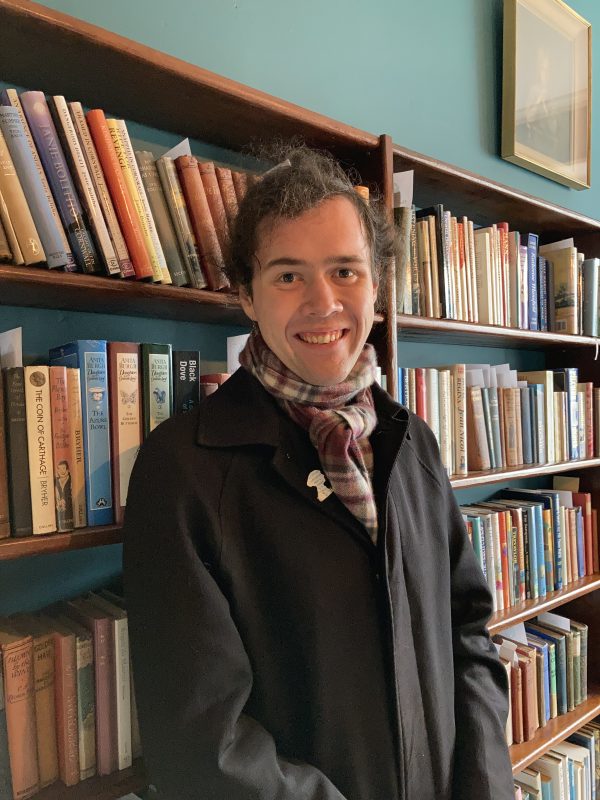
Where does one begin when extolling the virtues of the Morrab Library? Many of them are self-evident: the elegant house full of old books, the sea views and picturesque surroundings of Morrab Gardens, friendly faces and cups of tea, the list could go on infinitely, yet I would say its delights go far deeper than those, lovely as they are. My relationship with the Morrab Library started on a rainy autumn day in 2021 when, at the behest of a dear professor of mine from the University of Exeter, Penryn Campus, I decided to make the long journey by bus from my home in Penryn in order to see the magical environment for myself. If the vast collection of books and quaint ambience did not seal the deal immediately, impossible as that sounds, the rich and varied archive did. Little did I know that when I first entered through that wonderful red portal, the trajectory of my life would change entirely.
It would be correct to say that I have always had an interest in the eighteenth-century, alongside my undying love of rural England, but I had previously thought that my interest in English society would tend more towards the Victorians rather than the Georgians. Now, that position has completely reversed. For my undergraduate, which was an interdisciplinary degree combining English Literature and History, I decided to tackle my three biggest interests when writing my dissertation: Jane Austen and her world, sociability and gossip, and how novels can be used to study history. The Morrab Library, with its archive and special collections, was the primary way that I was able to turn fiction into reality, though perhaps one could say that fiction may come from reality. Through investigating their catalogue, I was able to travel back to Penzance of the 1790s and become a part of this wonderful town’s life in a unique and intimate way.
With Lisa’s help and guidance, I had the privilege of meeting Catharine Tremenheere, nee Borlase, and through her letters I attended balls at the Penzance Assembly Rooms in 1792 and 1793. I would describe her as a slightly more sensible version of the immortal Mrs Bennet in Pride and Prejudice, their minds seem to have been in a similar place though Mrs Tremenheere showed a bit more gentility than dear Mrs Bennet. Alongside Catharine Tremenheere’s letters, which are numerous and a treat to read, I used the 1791 Penzance Assembly Book, which recorded all the accounts and details of the social seasons from 1791-1794, to find out who her neighbours were and how often they saw each other. In addition to her records of balls and assemblies, Catharine Tremenheere also writes about dinner parties, visits to the theatre, and even about riots in Penzance around the time of the French Revolution.
Through her eyes, I saw just how vibrant the Georgians were and that the events in Jane Austen’s novels were not as unrealistic as one may have thought. That is the joy of researching the past and reading books, is it not? The drama and sensibility we find in novels, and think so silly as a result, may not be too far-fetched as we originally believed. Catharine Tremenheere records all sorts of novel-like happenings in Penzance society and in such an endearing way that by the time I reached the letter where her son Walter tells his brother Harry Pendarves that their mother is dead, I was near to tears. This intense journey, both intellectually and emotionally, would never have happened without the Morrab Library and its archive.
From all this foraying into Penzance’s past, in this fantastic setting which we all are a part of, my life has now taken a turn towards making the eighteenth-century its gravitational centre. Soon I shall begin a masters course in eighteenth-century studies to continue my research into the function of assembly rooms in rural society and, hopefully, turning that into a PhD once I complete the next step. All this stemmed from two deeply important sources: my love of Pride and Prejudice and the ability to see how the world Jane Austen wrote about still exists in delightfully large quantities all around us through the archive at the Morrab Library. Certainly, it has been a journey of love and passion through discovery and investigation.
Appointment of Trustees – YOUR LIBRARY NEEDS YOU!
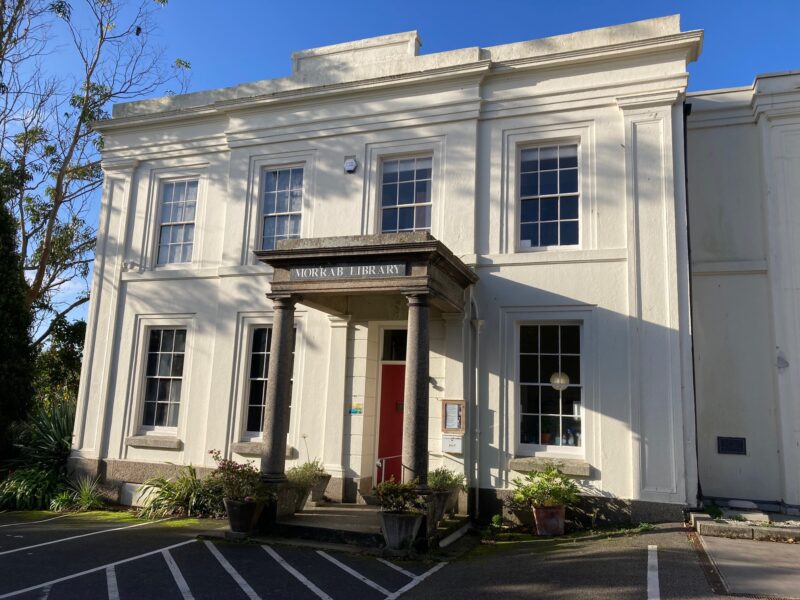
The Trustees of Morrab Library are proposing a significant change in its governance arrangements which will be presented to members at an Extraordinary General Meeting on 13th November – we hope you will be able to attend. In tandem with this exercise, we are looking to appoint a number of people to strengthen the Board of Trustees.
Our priority is to find a new Treasurer. In recent years we have improved our financial systems and we seek someone with experience in finance to take over this essential role, to provide financial oversight and planning. Further information on this role is available here: The Morrab Library Treasurer
We are also seeking people with skills and attributes to complement other Trustees in the following areas:-
- fundraising and reputation management
- building maintenance and development
The Trustees meet monthly, either by Zoom or in person. Sub Committees are in place to support the Board – and working groups are occasionally formed for specific purposes.
More information about the Library and the current Trustees can be found here: https://morrablibrary.org.uk/trustee/
If you are interested in joining us, or if you know someone who might be, we should be delighted to hear. Please send a short CV (no more than two pages) together with a covering letter of application outlining what you can contribute and why you wish to serve as a Trustee.
Responses should be sent by email to secretary@morrablibrary.org.uk as soon as possible. If you would like an informal discussion with one of the Trustees before expressing an interest please write to the same email address with a brief summary of your relevant experience.
If you use social media and can share this information with your followers to help us expand the search please share the links you’ll find on our Facebook, Twitter and Instagram pages.
Harry Spry-Leverton, Chairman, on behalf of the Trustees of Morrab Library
Wastelands to wonderland | Vicki Aimers Artist Residency
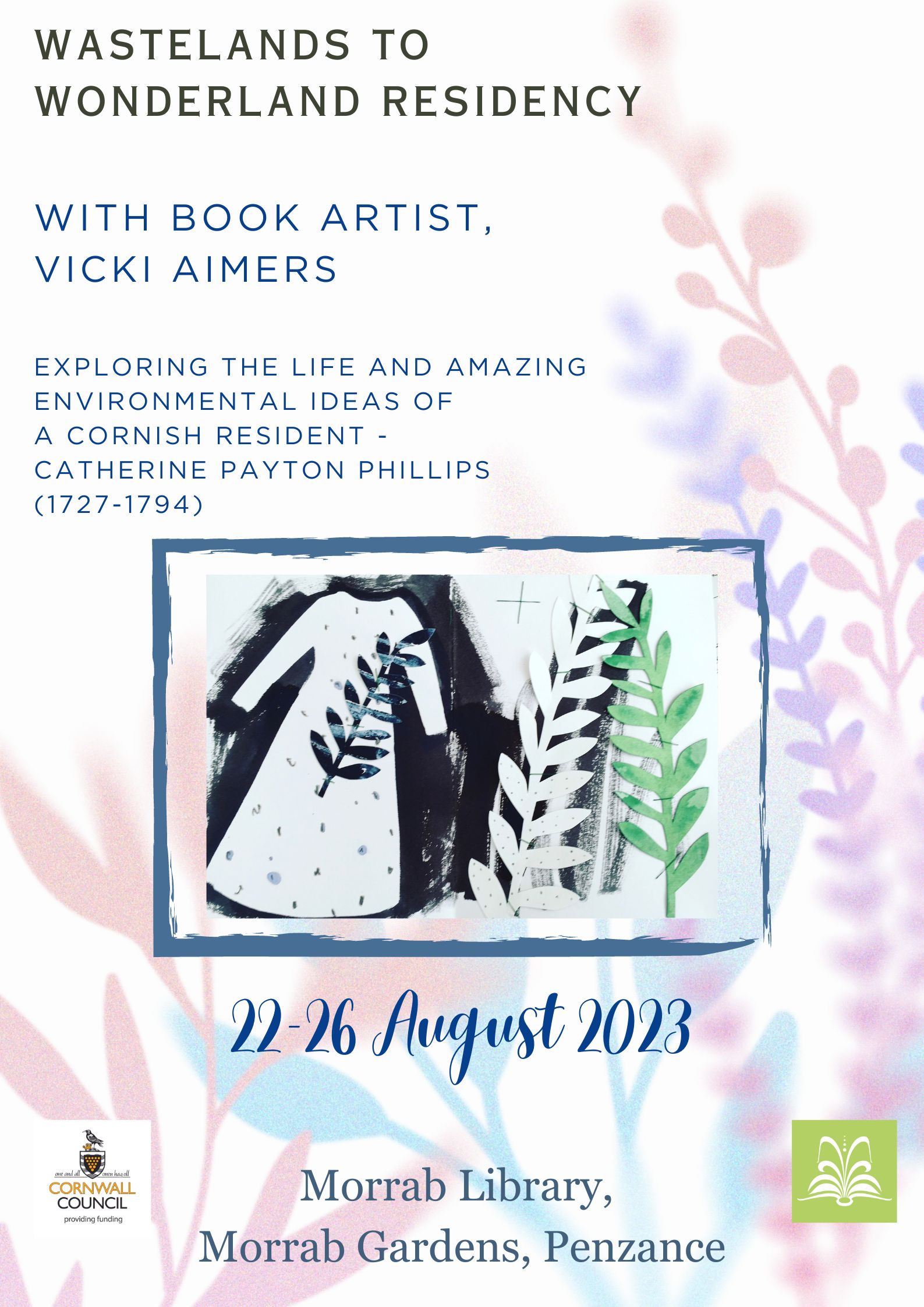
For one week in August (Tuesday 22nd-Saturday 26th), the Book Artist and Authorial Illustrator Vicki Aimers will have an artist residency entitled – ‘Wastelands to wonderland’ – in the Elizabeth Treffry Room.
We’re going to let Vicki introduce herself in her own words and tell you a bit about her residency…
“I’m a Book Artist and Authorial Illustrator. My work focuses on creative storytelling intertwined with elements of social history. For the last few years, I have focused on the fascinating lives of some forgotten women in history and, in particular, female astronomers such as Caroline Herschel and Maria Mitchell. These were stories I explored in my MA in Authorial Illustration at Falmouth University.
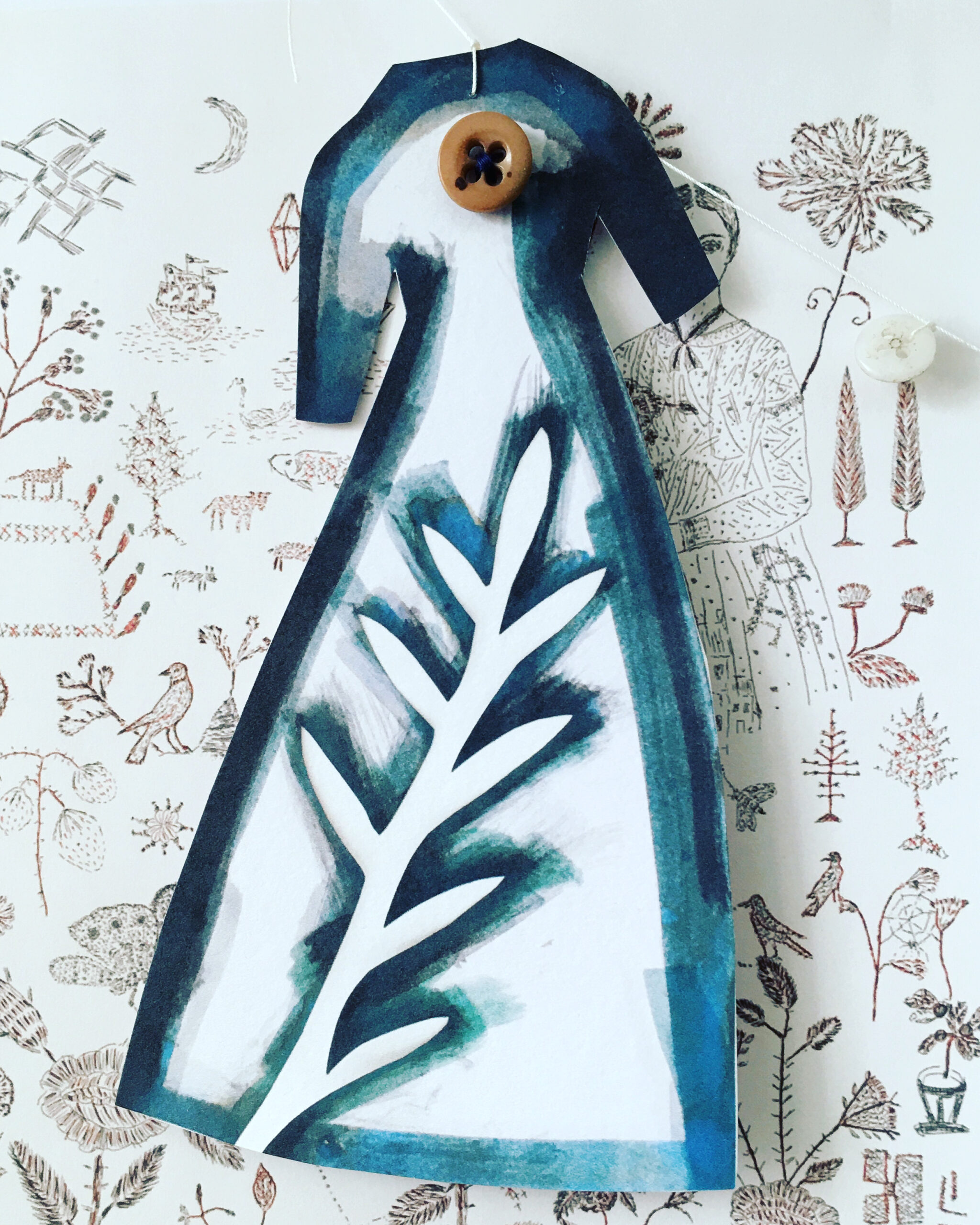
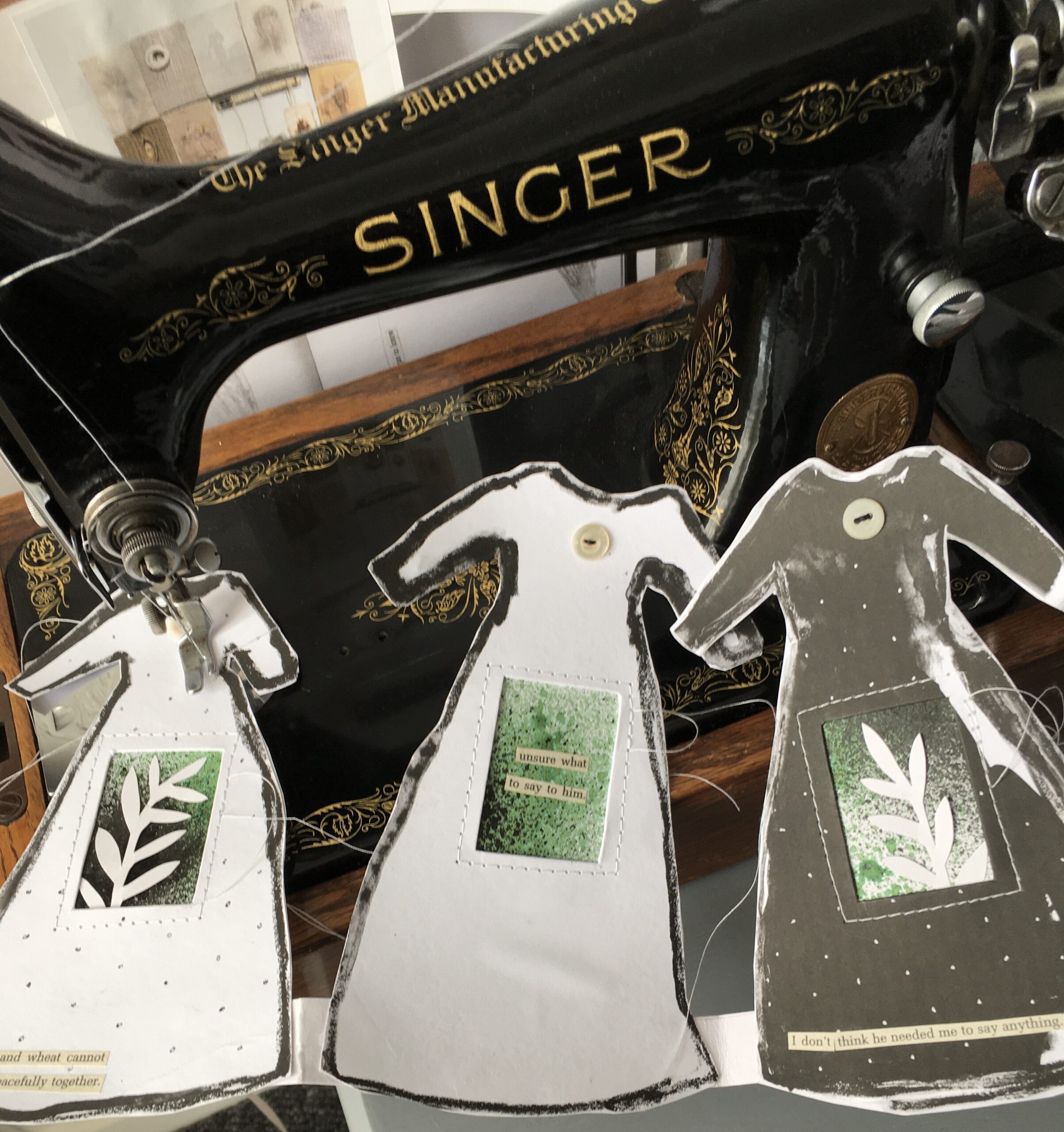
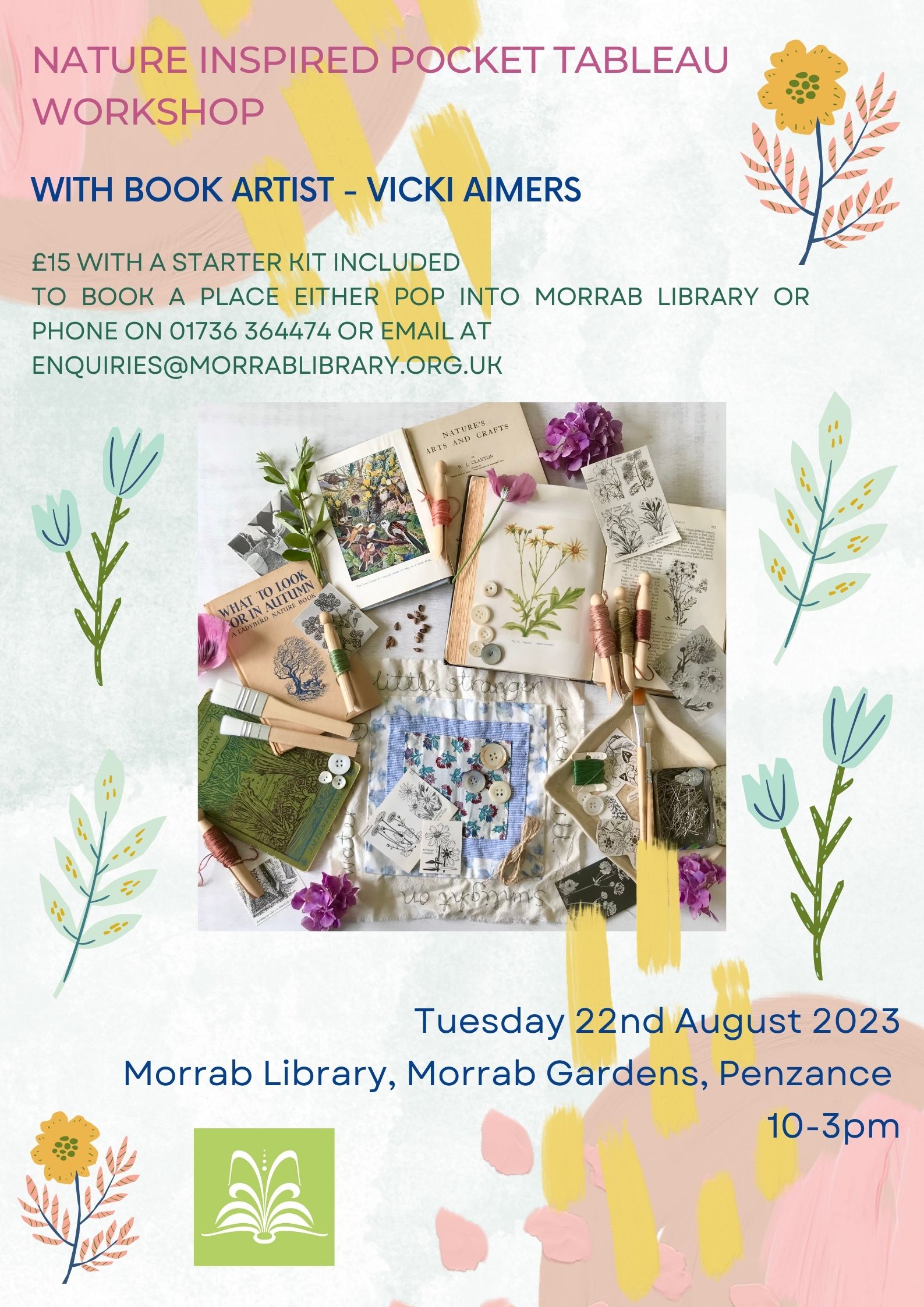
To retell stories, I collaborate with a number of institutions and museums to bring items in their collections to life in creative ways. Throughout the year, I take part in various public events, organise bespoke workshops and develop online activities on a variety of art and storytelling techniques. These can include simple printing, book and zine making, stitch and inventive writing and poetry exercises.
“When we read a story, we inhabit it. The covers of the book are like a roof and four walls. What is to happen next will take place within the four walls of the story. And this is possible because the story’s voice makes everything its own.”
John Berger, Artist and Author
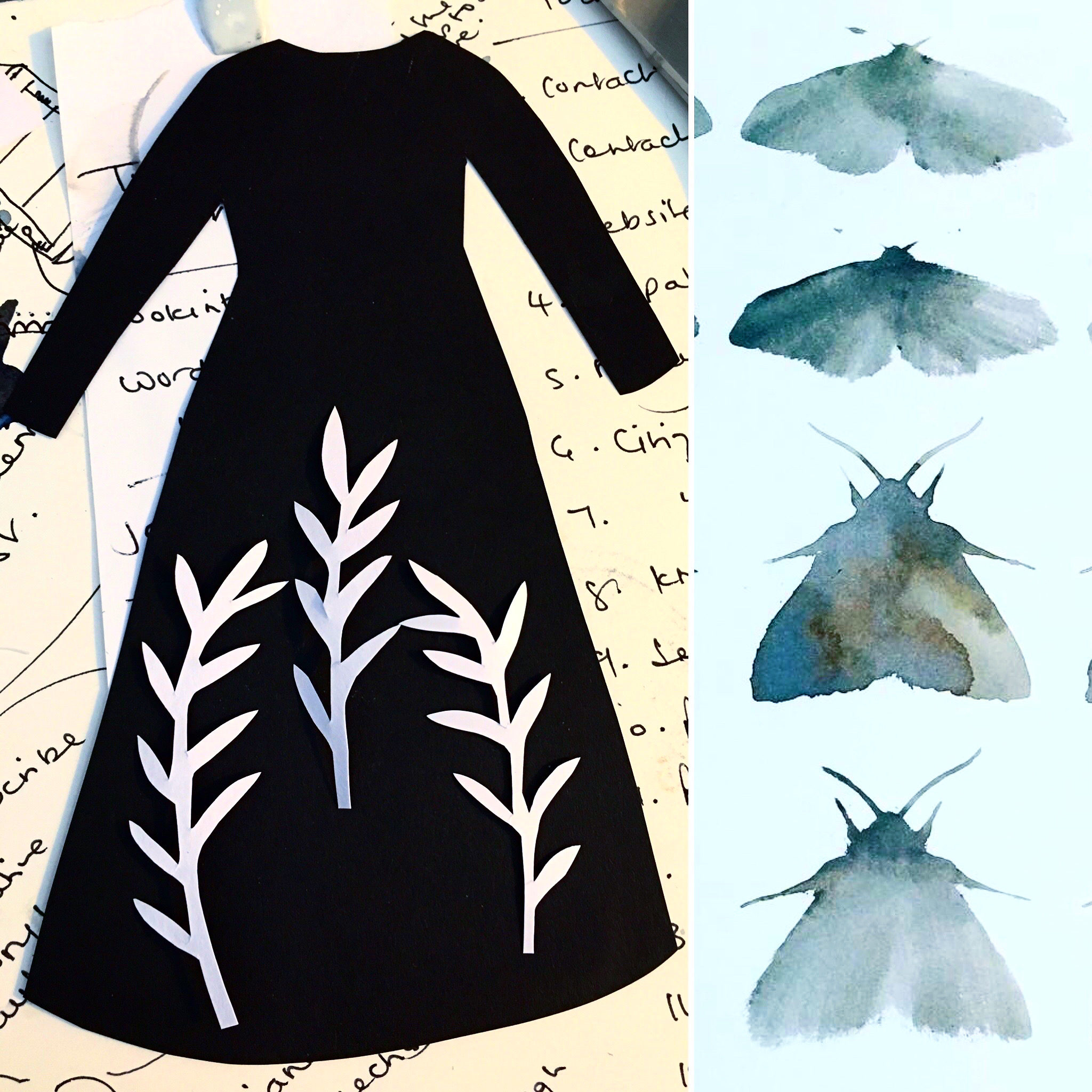
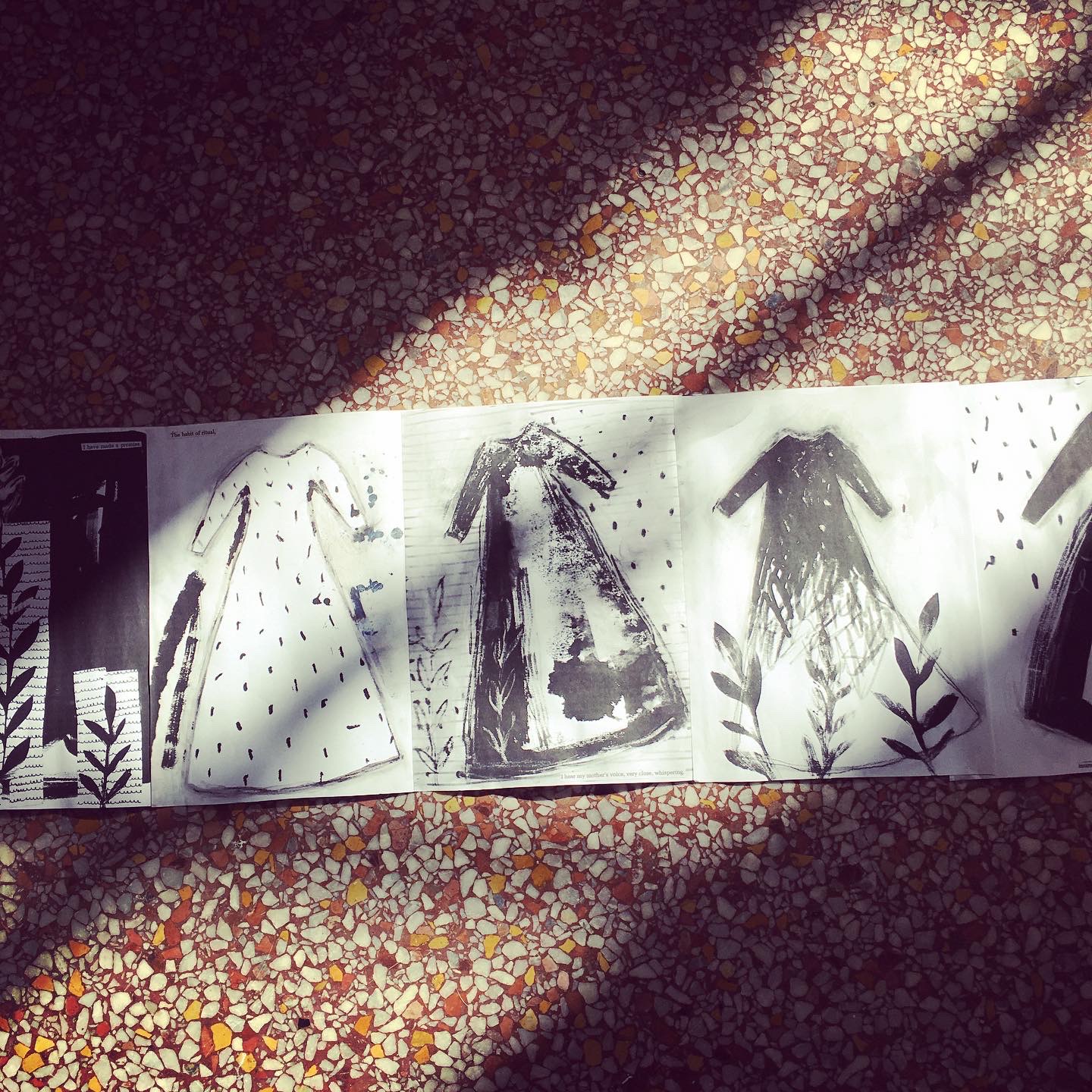
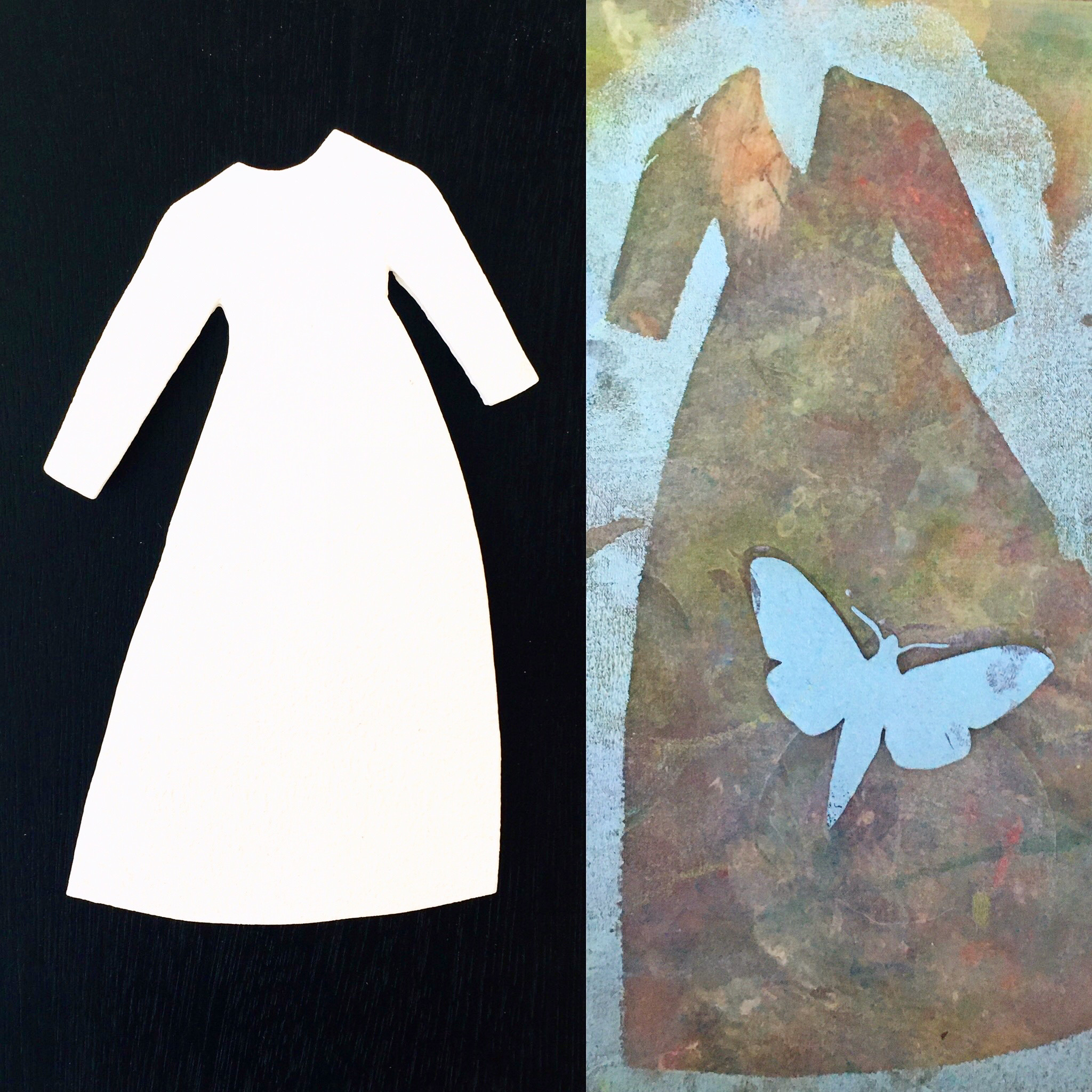
At the moment, I’m working with several organisations, including Morrab Library, researching the story of Catherine Payton Phillips (1727 – 1794). Originally from Dudley in the West Midlands, Catherine settled in Redruth and married a local widower, a Copper Agent – William Phillips. The story of William’s descendants is fascinating too.
They had met years before when Catherine was a young woman. However, from what I’ve read about her, I don’t think she wanted to settle down so young and be a stepmother to two very young boys. She extensively travelled throughout her life, through the U.K., Ireland, Europe and America – encountering crocodiles and journeying through swamps and prairies.
Catherine and William met again later in life and married. William had never stopped wanting for them to be together all through the time they were apart.
She was many things, as a well travelled Quaker preacher, but also a campaigner and interested in local ecology and communities. In particular, Catherine had two amazing ideas that have fuelled my research – the desire to ‘beautify wastelands’ and to grow fruit trees to feed communities.
Over the last two years, I have devised a programme of artist residences at various locations to share my project, and the story of her life and ideas. So far, I have taken part in residencies at Kresen Kernow, Redruth Library and held events for Fun Palaces.
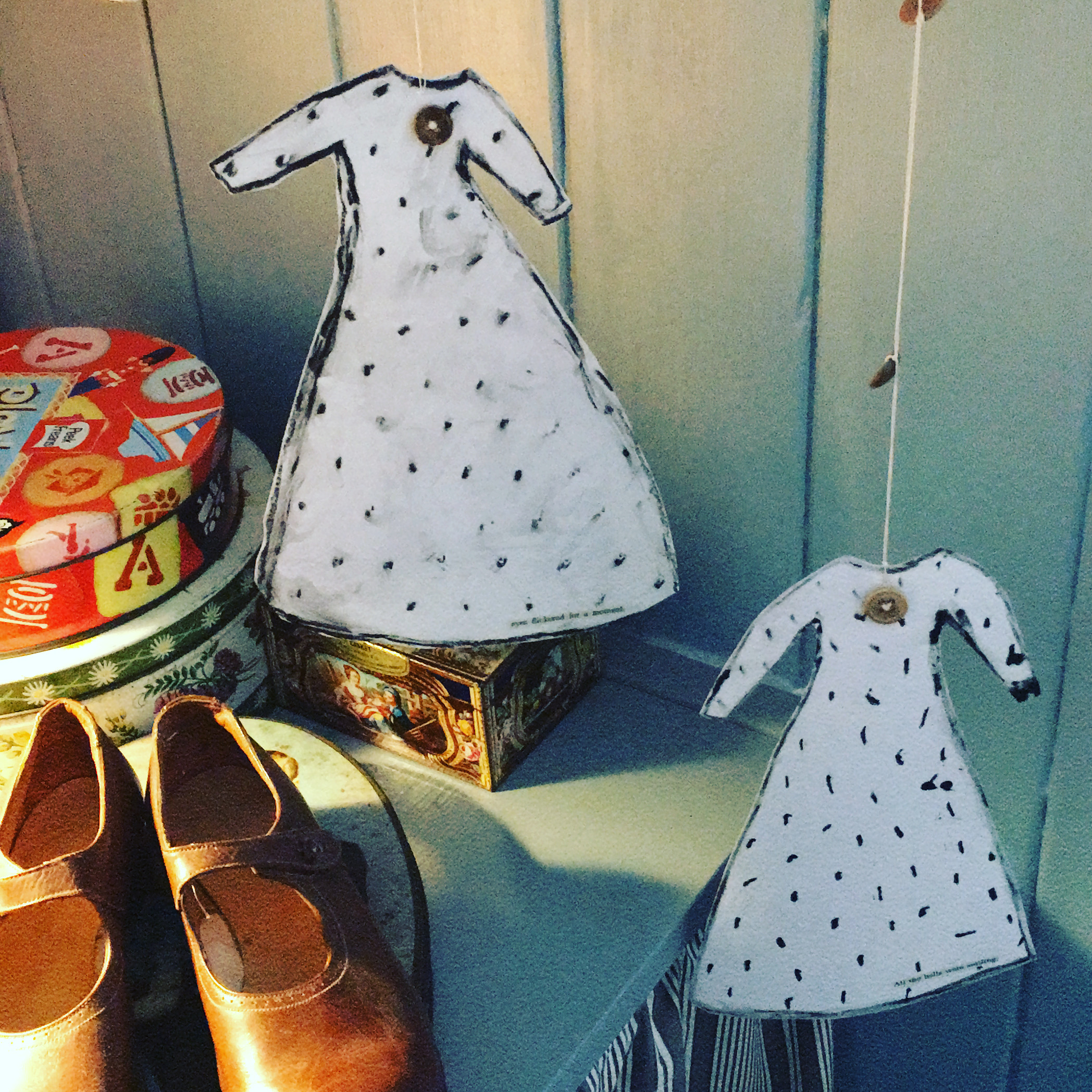
As part of this programme of events, I have created a Cabinet of Curiosities, which is full of objects that all hint at aspects of her life, her ideas, the importance of orchards and facts about apples (a symbol of the project). There are many exciting and engaging strands to this project, as well as the Cabinet, including an interactive art piece called ‘The Library of Forgotten Fruits’, which will be on display during my residency.
I also arrange workshops at Krowji and across the South West, enabling others to explore their stories and memories through interesting projects. I offer creative mentoring, where we work together over a number of sessions experimenting with different art techniques to bring your narrative into focus.
Finally, I’m the founder of the @palimpsest_project. This initiative helps record fragmented memories and stories of families through projects and kits. My recent research has been about the history of piecework. This is particularly apt in light of the pandemic crisis, where parents were trying to navigate how to work from home, while looking after loved ones.
Why did you want to do an Artist Residency at Morrab Library?
“It has been a wonderful opportunity to make contact with Morrab Library. I’ve been wanting to find a project that would be a perfect collaboration to work together on.
I feel that, through the story of Catherine, there are common threads that run between all of us, such as the importance of community, the need to preserve and celebrate local history, and particularly women’s stories. This is at the heart of this inspiring and exciting collaboration.”
When did you first visit the Morrab and what do you remember about that visit?
“My first visit to the Library was a very welcoming experience. I met Lisa and we discussed Catherine’s life and legacy. We both soon realised that this could be an exciting opportunity for both of us to tell a story that hasn’t been told before in Penzance and at the Library too.
Since that first meeting, I ran a botanical sketchbook workshop for visitors, which was a lovely and popular event, and raised some funds for the Library too.”
What do you hope to bring to the library through your work?
“My hope is that by sharing Catherine’s at the Library through this project, another woman’s story will not be forgotten.
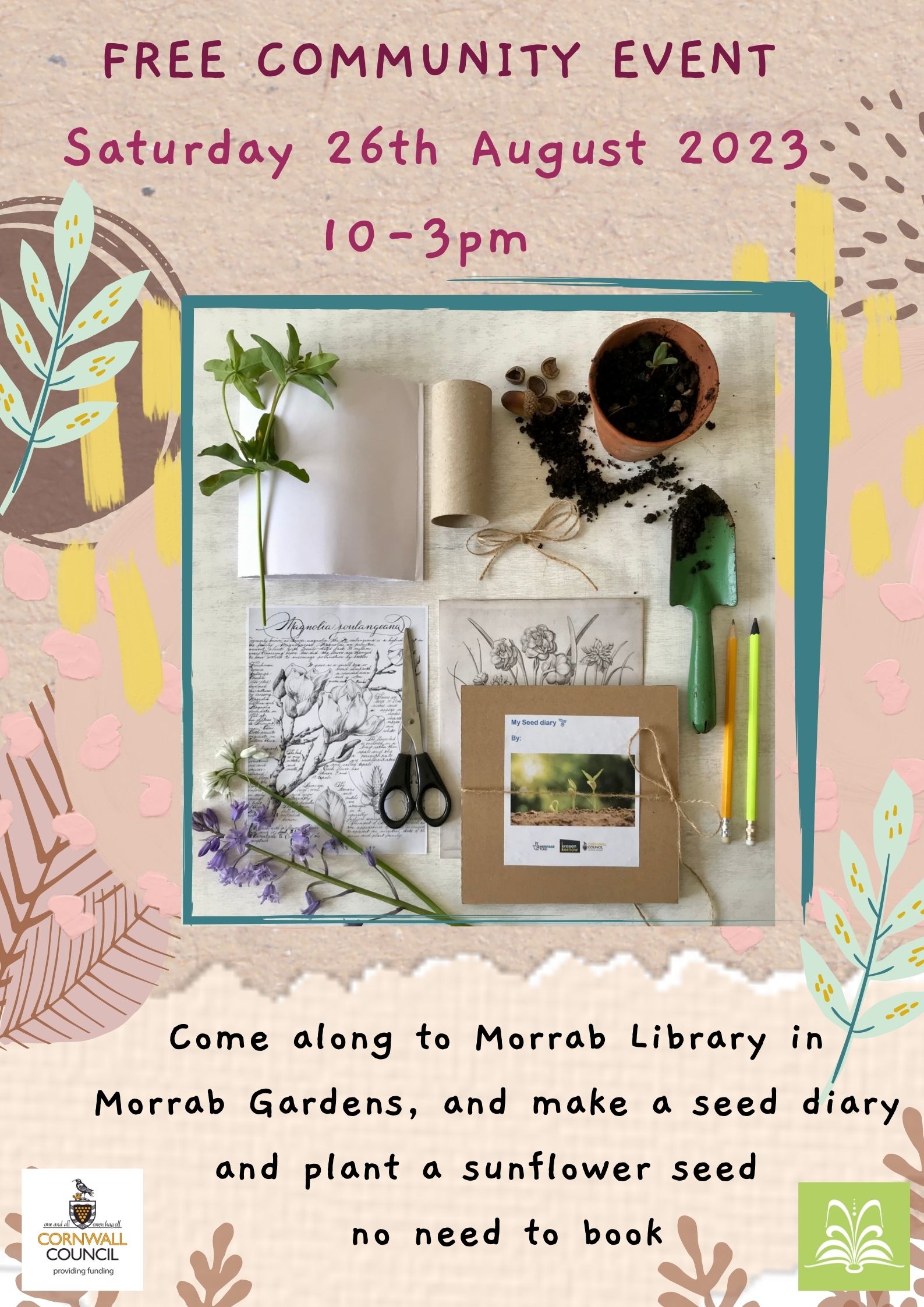
Also, her ideas for loving where we live and caring for the communities that we are part of – will be ‘paid forward’. We can learn so much from those who have gone before us. Small positive changes taken from Catherine’s ideas, that benefit everyone, such as growing a sunflower or planting a fruit tree. The author Nancy Kunhardt Lodge said ‘a library is a place vibrating with ideas’, and I feel this is so true, especially at Morrab Library.”
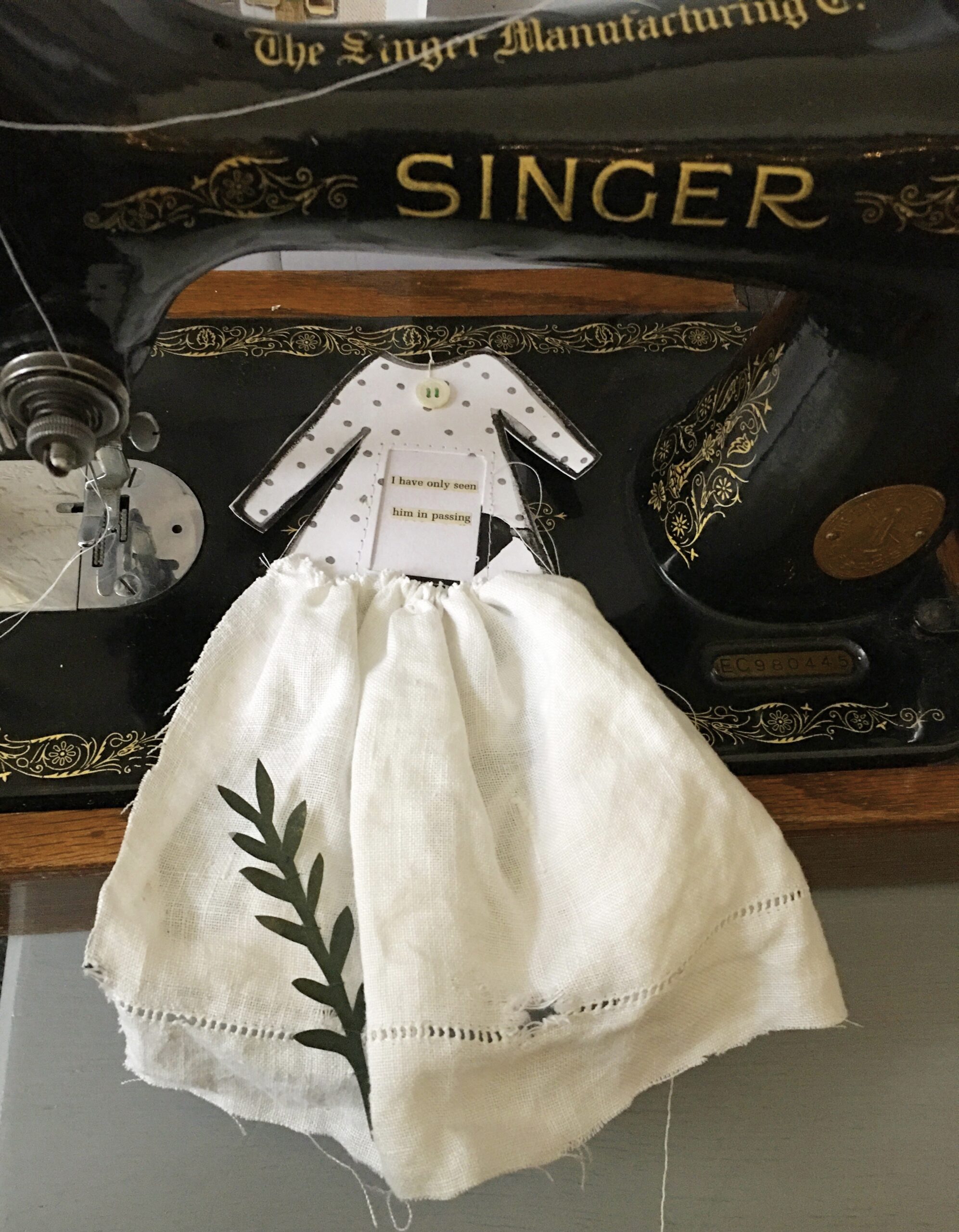
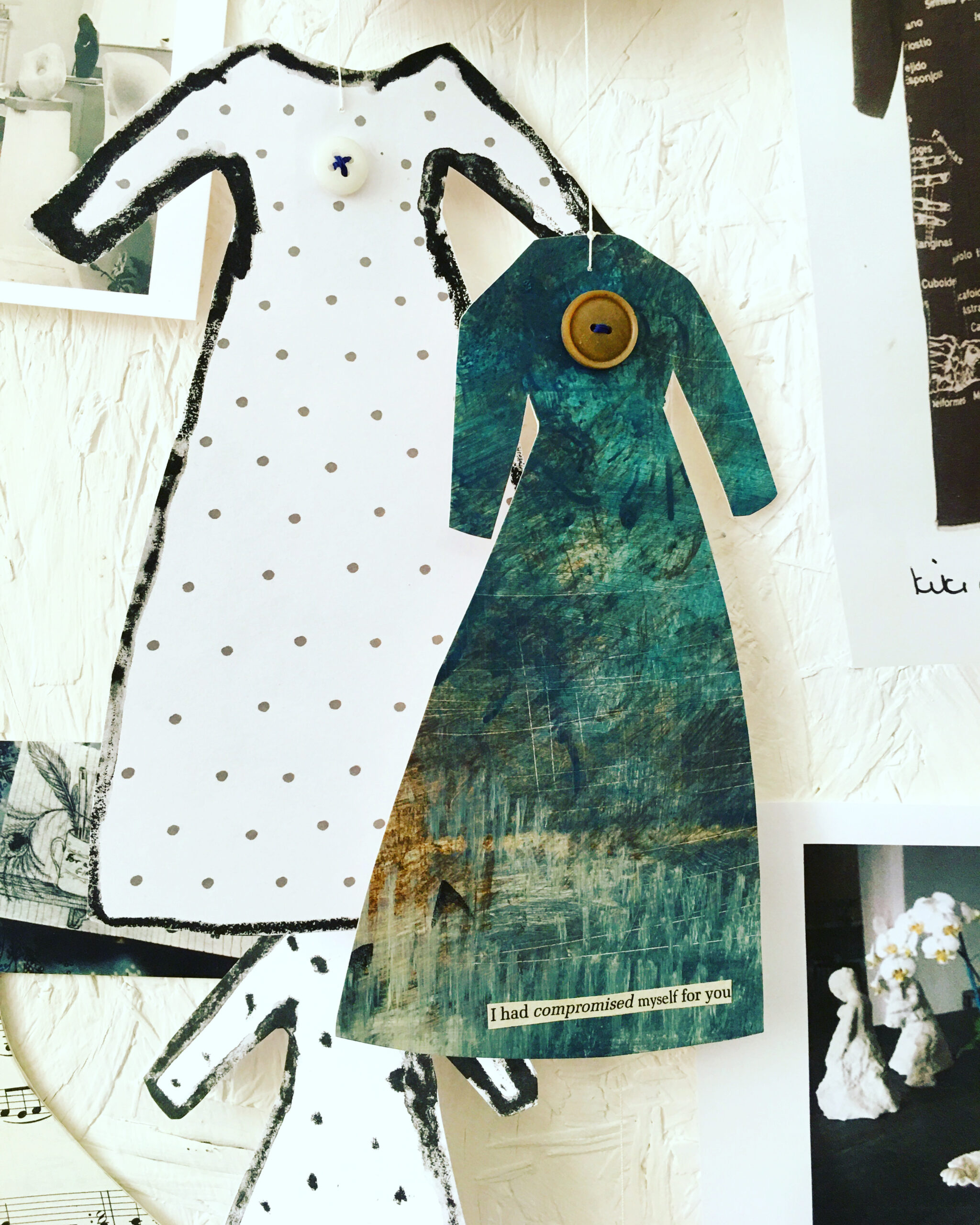
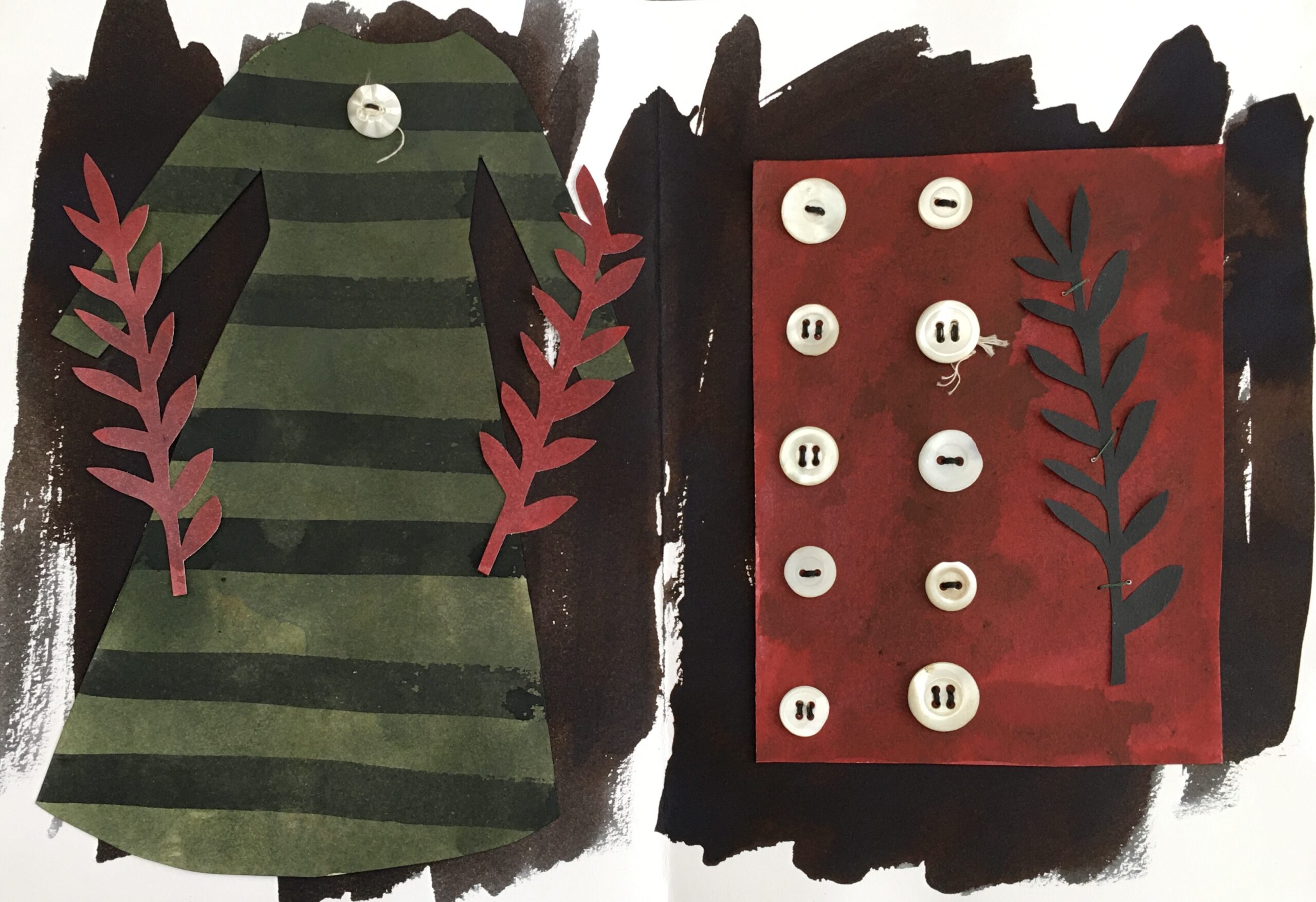
Members and visitors alike are welcome to pop in to see Vicki’s ‘Cabinet of Curiosities’ which will be displayed in the Elizabeth Treffry Room (upstairs) for the duration of the week. Vicki will also be running workshops and events which you can find out about on our events page.