
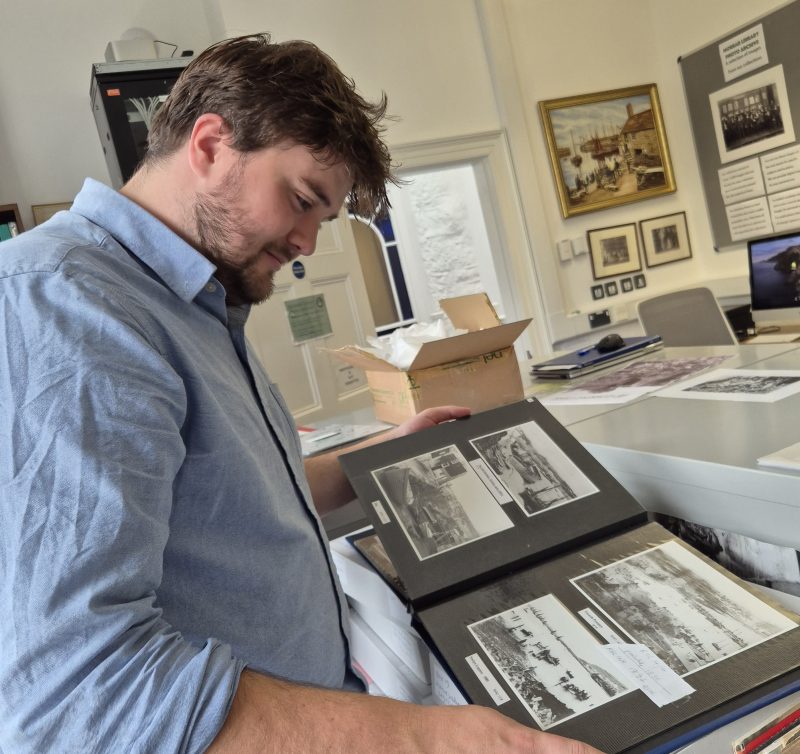
Join our Photo Archive intern, Sam Hill for his fourth blog, written during his time with us…
In our fourth instalment of the “Penzance Then and Now” blog post series, I shall be exploring some of the history of Penzance’s Pubs, Taverns, and Inns. When I was researching the last three blogs, I came across a great selection of images that show the historic nature of the town’s drinking spots.
It must be noted that not all the town’s drinking establishments are respresented in the Morrab’s collections, so if you do possess any historic images of these places please do get in contact with the Photo Archive team, as we would love to preserve them.
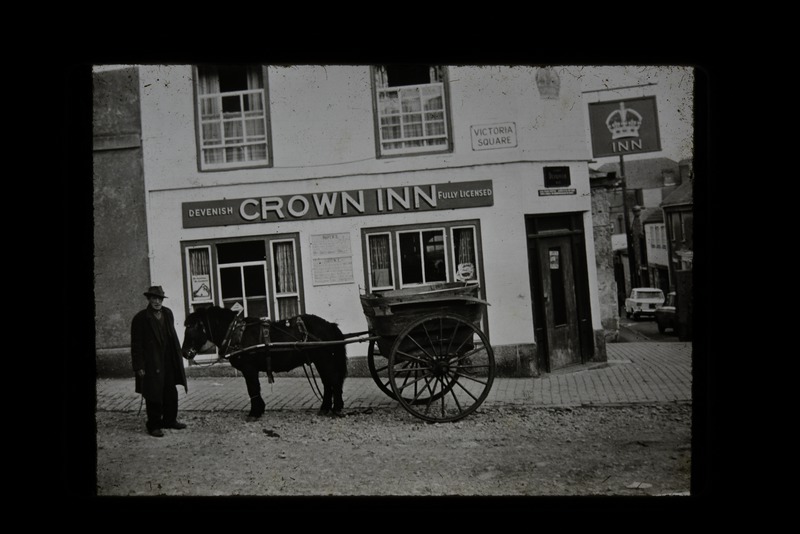
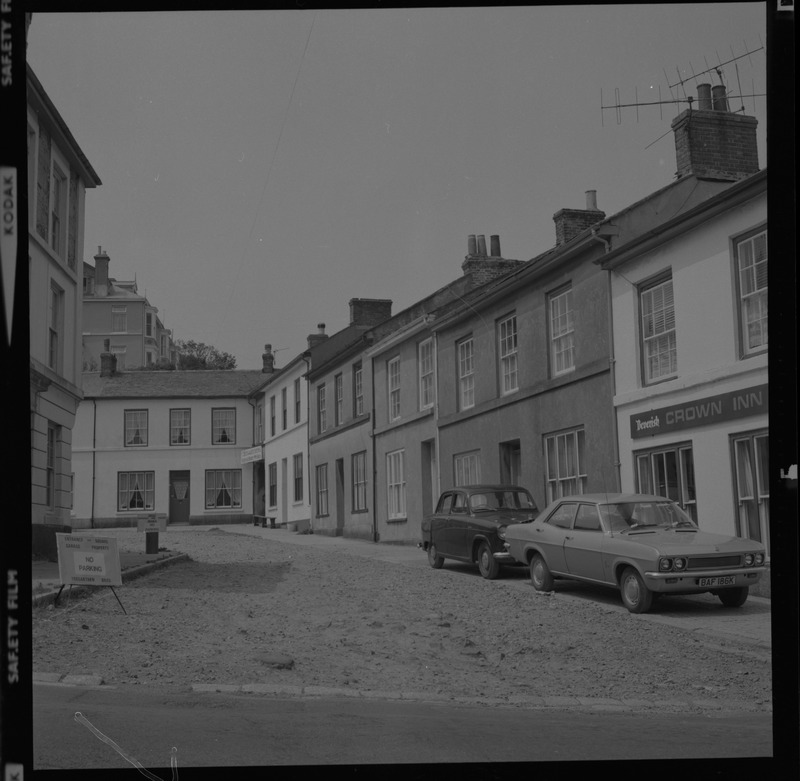
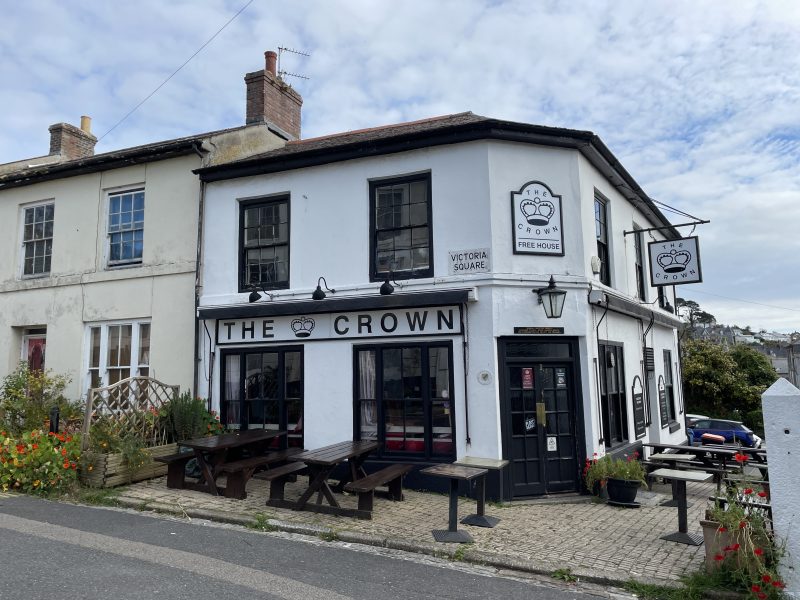
The Crown Inn
The Crown Inn has been designated as a Grade II listed building due to the early 19th century stucco style visible on the building. It is located on Victoria Square, which was constructed in 1829.
The Navy Inn
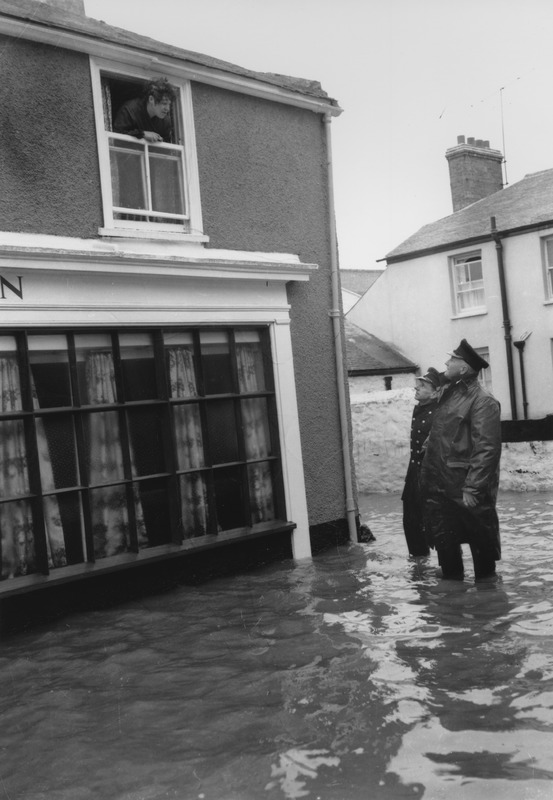
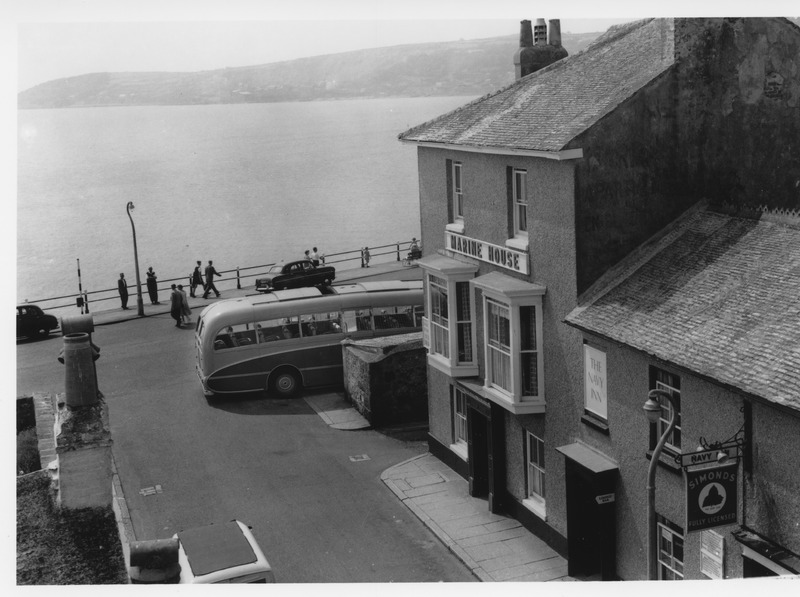
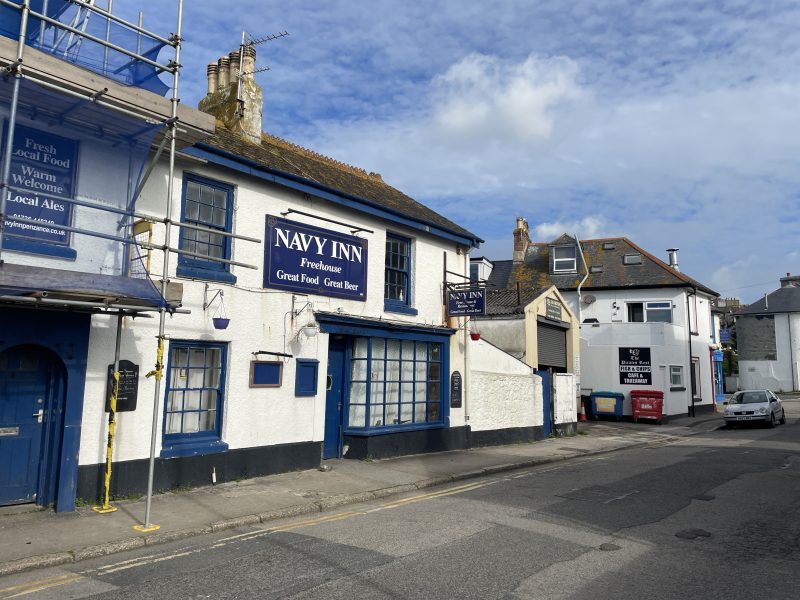
Located near the bottom of Queen Street, the Navy Inn is a 19th century building made from granite and stone. The name of the Inn derives from when the Royal Navy maintained a local depot nearby. The Inn is adjacent to Marine Place, the notorious location of the Marine Place murders in 1886 by James Hawke. The image below show the pub during the Ash Wednesday floods of 1962.
The Yacht Inn
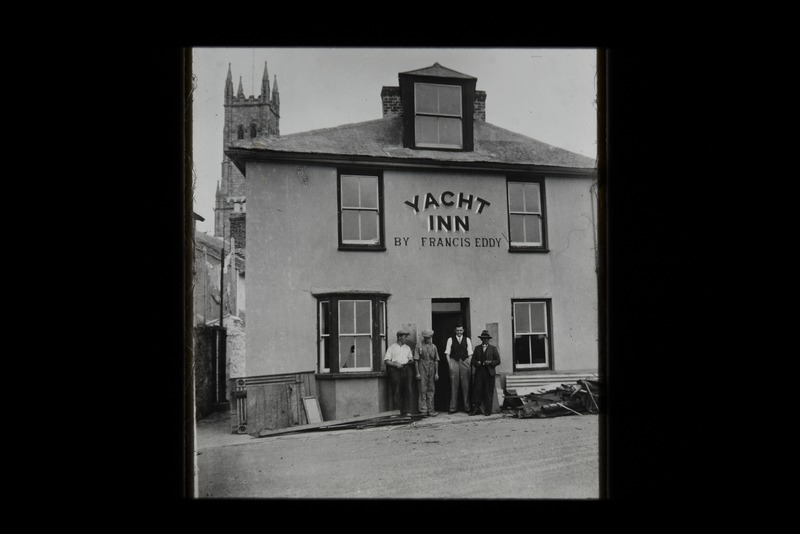
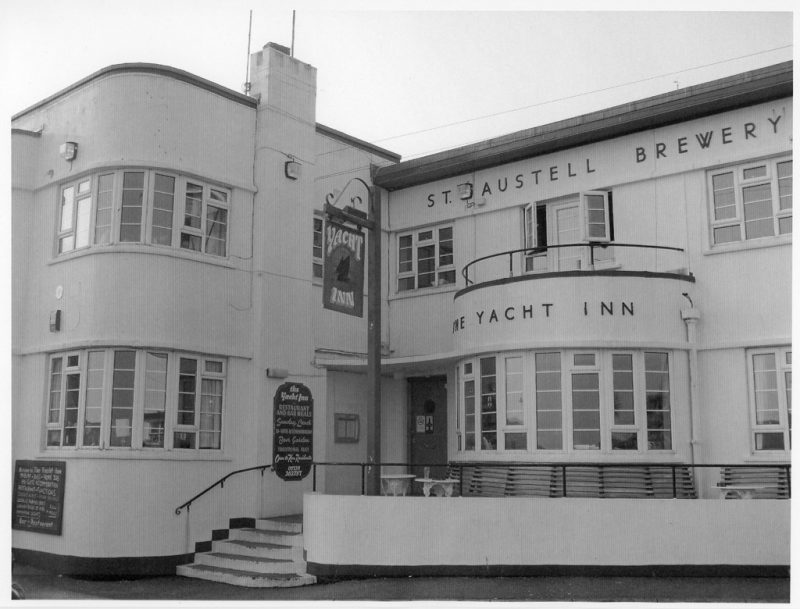
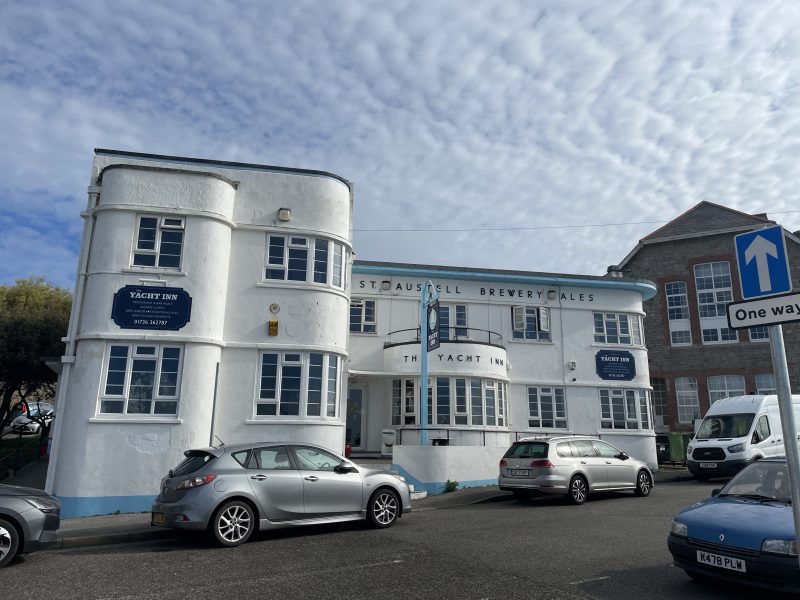
The images below show both iterations of the Yacht Inn. The first photo shows the original building, which was a notable drinking spot for the seaweed gatherers of the town. After the construction of the Jubilee Pool in 1935, the Yacht Inn reopened with a new structure designed by Collins Minor Drewitt to resemble a bridge of a luxury cruiser.
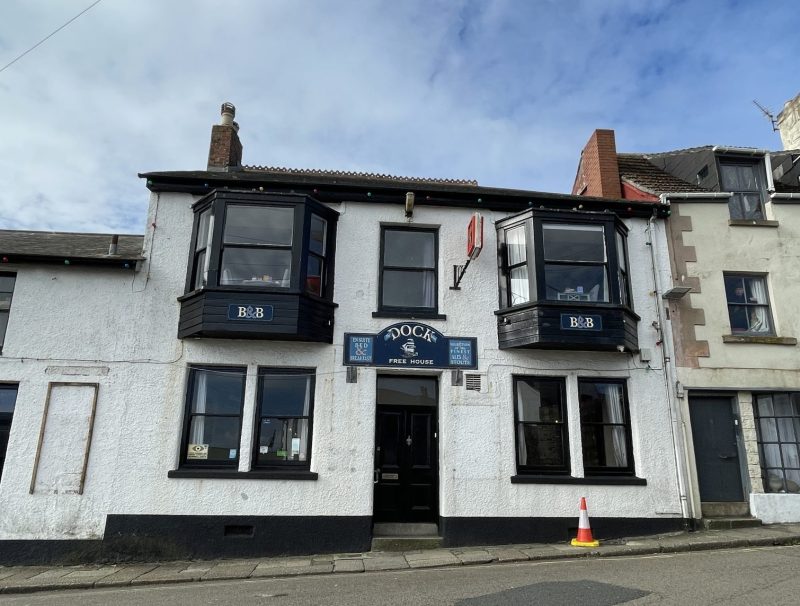
The Dock Inn
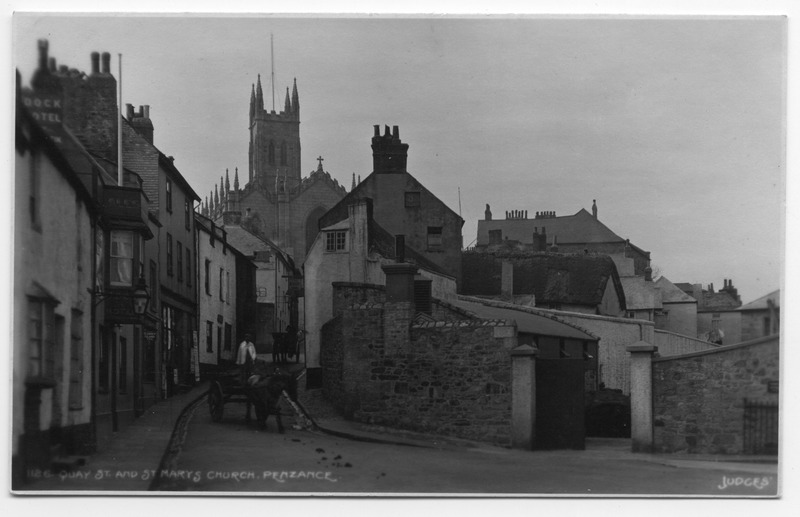
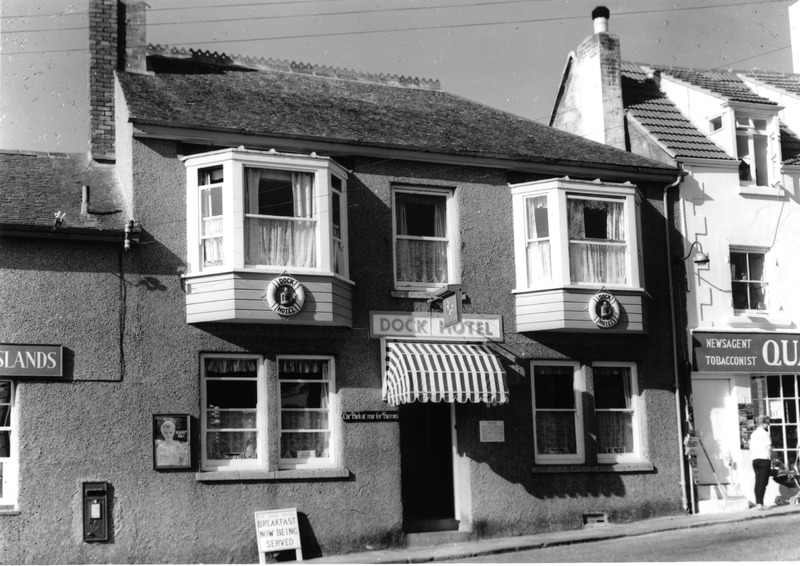
Located at the bottom of Quay Street, the Dock Inn is an historic pub and B&B that has stood on the quay since the 18th century. It would have been a popular drinking spot for the sailors, fishermen, and townsfolk of old.
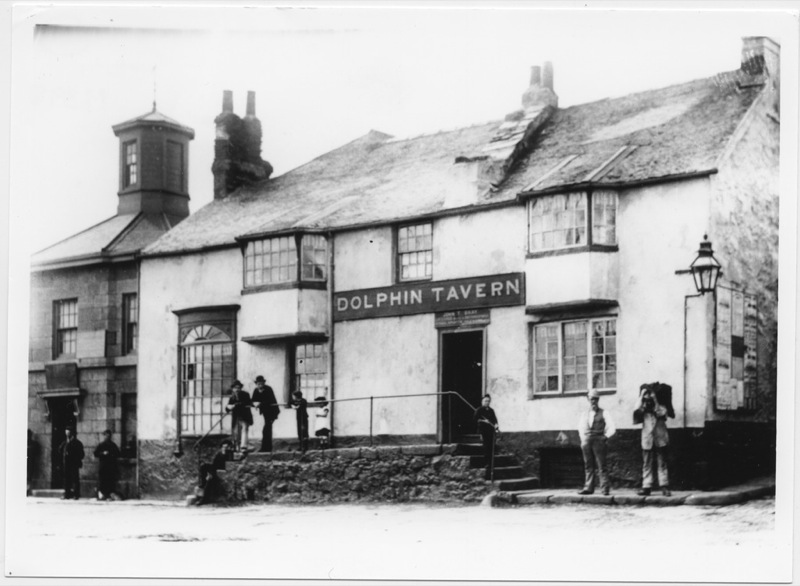
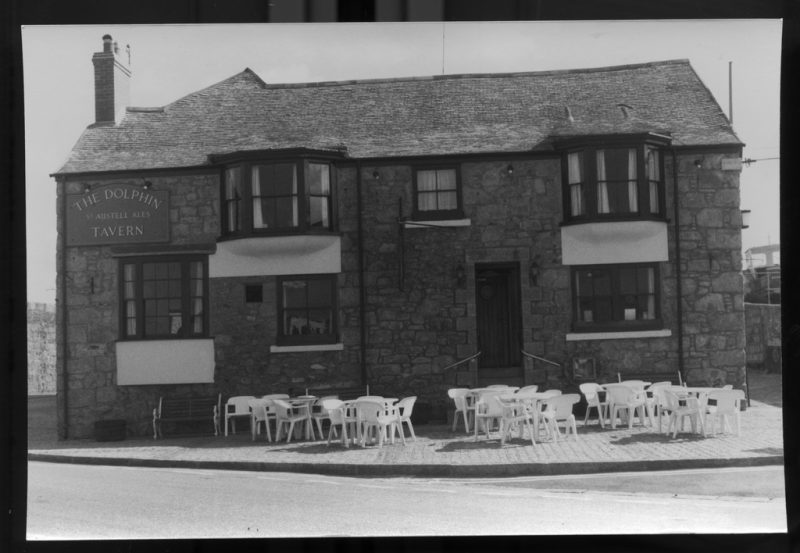
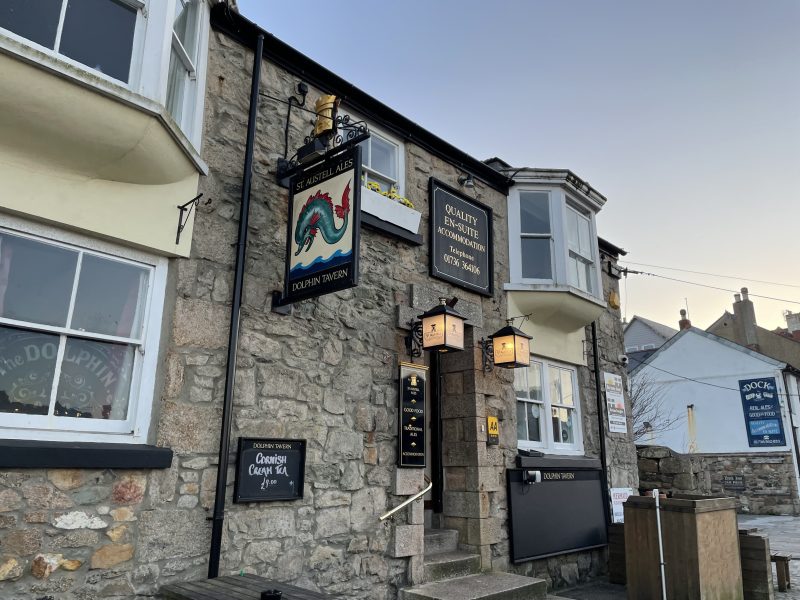
The Dolphin Tavern
One of Penzance’s most famous pubs, the Dolphin Tavern has a long and fascinating history. A building has been present on site since the 14th century, firstly being used as a recruitment centre by Vice Admiral John Hawkin before the Spanish Armada, and later, a local courthouse. The infamous Judge Jeffreys handed out severe sentences against smugglers and other criminals, with the ‘hanging room’ located in the basement. The tavern has reported numerous supernatural apparitions, with a young fair-haired man, a young Victorian woman, and a sea captain called George being seen.
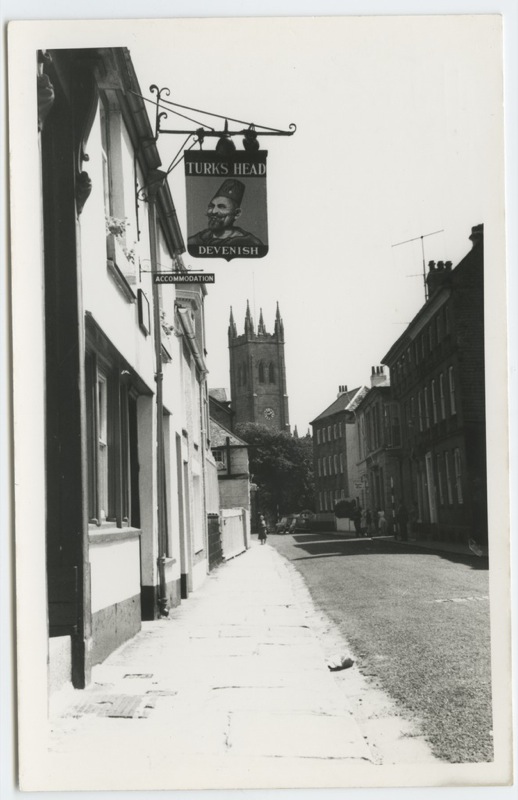
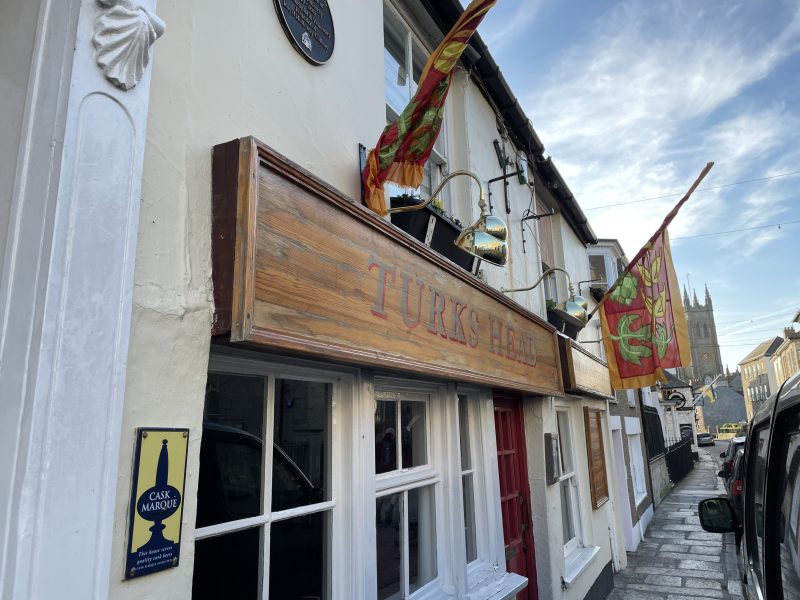
The Turks Head
Supposedly the oldest pub within the town, the Turks Head is one of the first in England to bear its name after the Saracens, whom Christian Knights fought in the Crusades. After the Spanish burnt down most of Chapel Street during their Raid on Penzance in 1595, the Turks Head was one of the few stone buildings to have survived the blaze.
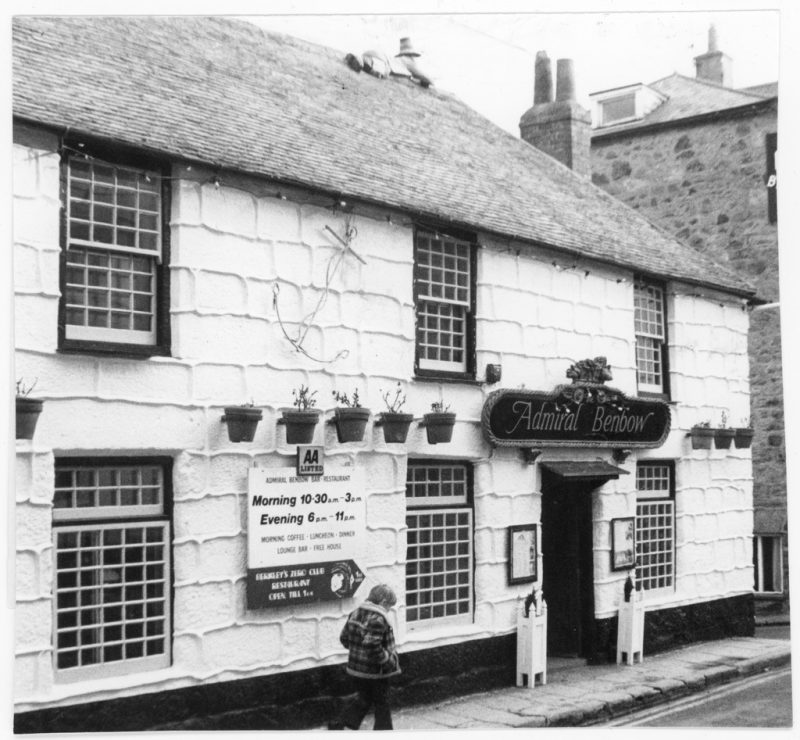
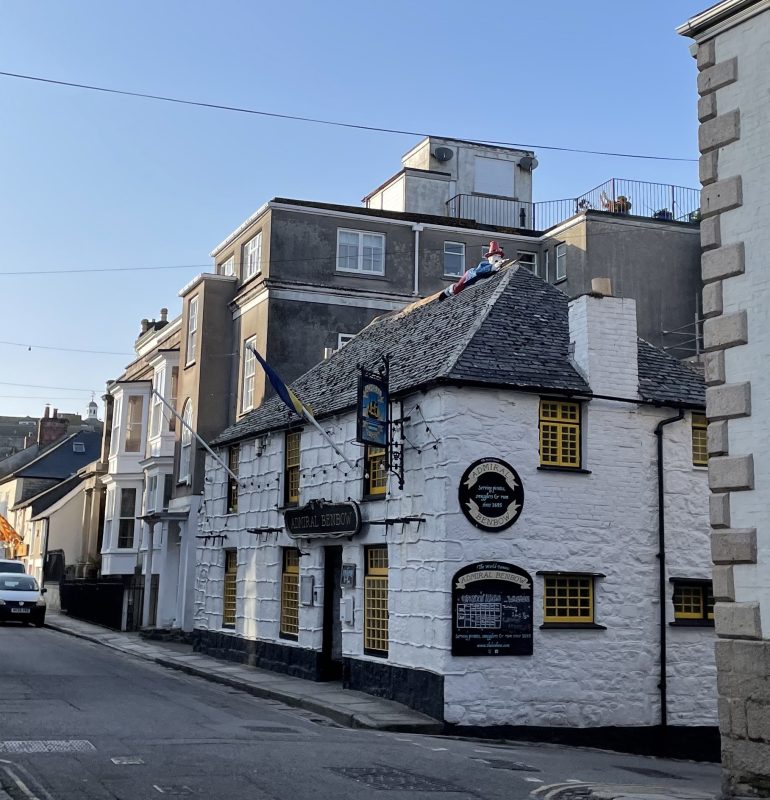
The Admiral Benbow
This pub was built by local legend and maritime salvager, Roland Morris, by combining two old cottages. The pub is home to an array of nautical paraphernalia, including ship figureheads, lanterns, and flint lock pistols. Local legend says that when it was a sailor’s rest during the 18th century, the building supposedly possessed an underground tunnel that ran down to the harbour to allow smugglers to move contraband product. One of the armed smugglers has been immortalised on the roof of the pub.
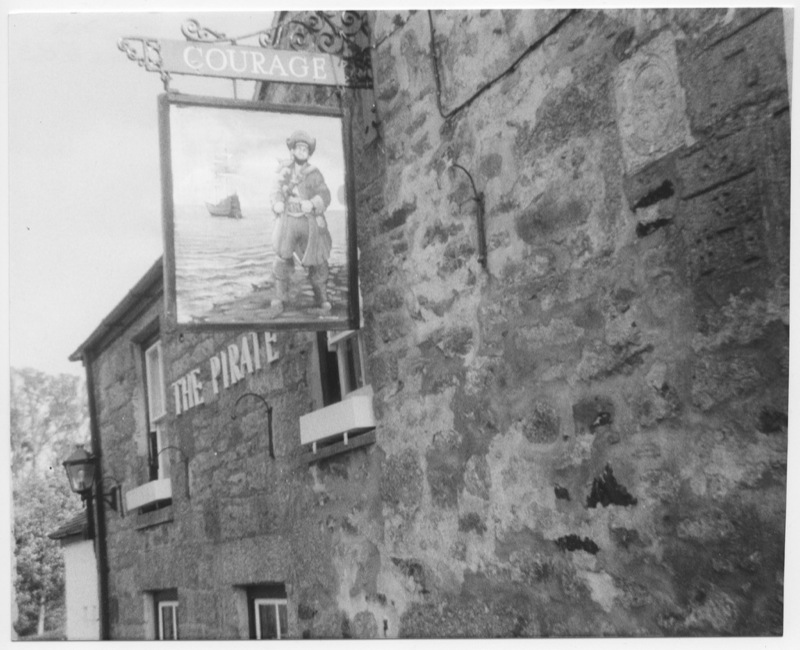
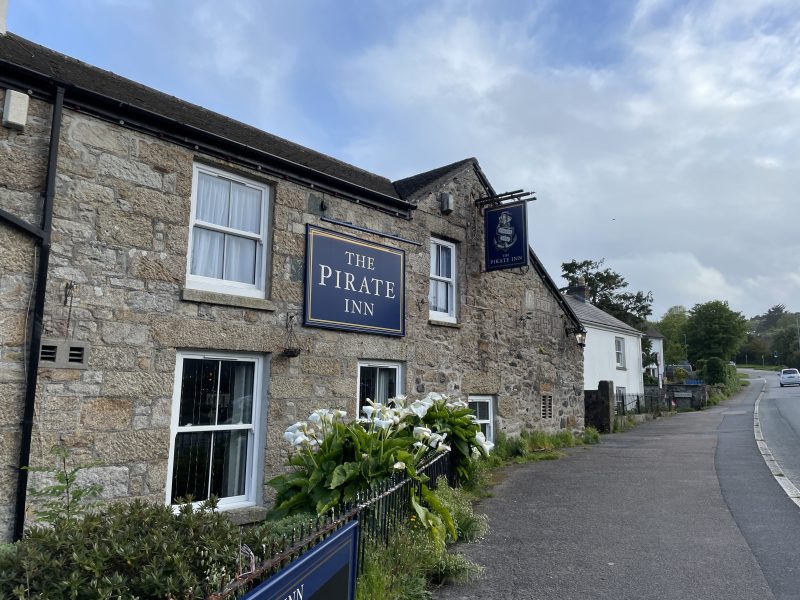
The Pirate Inn
The Pirate Inn on Alverton Road was originally a traditional farmhouse built either in 1674 or in 1701. These dates are known from two dates carved directly into the stonework. The building did not become a public house until 1953, in which the name of the pub most likely derived from Gilbert and Sullivan’s comic opera The Pirates of Penzance.
I hope you have enjoyed this visual pub crawl of some of the pubs of Penzance!
All the photos used in this post are accessible from the Morrab Library’s Photographic Archive, the link to which is here: https://photoarchive.morrablibrary.org.uk/