Blog
Tags: Archeology, Conservation, Books, Cornwall, Archives, History, Collections
Displaying our Library’s Treasures
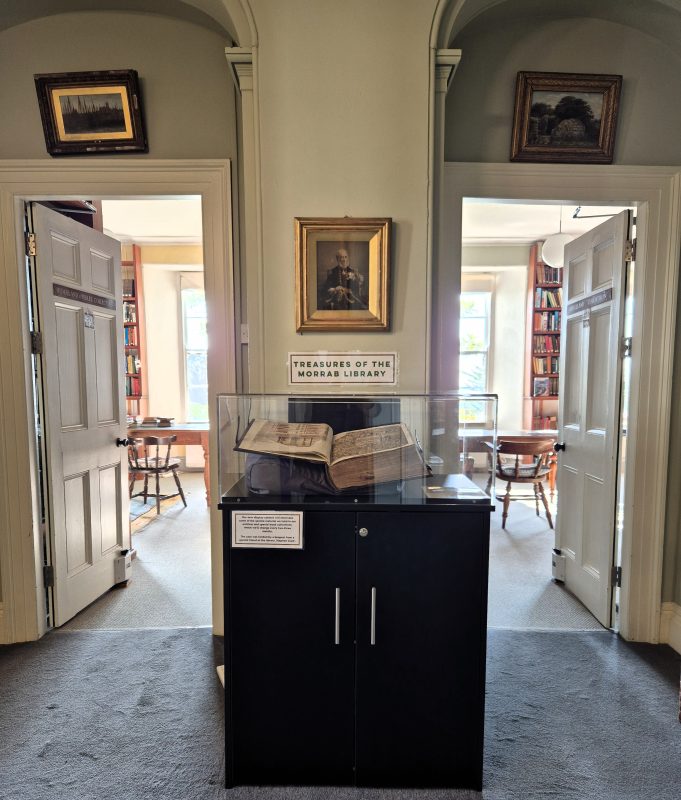
We are excited to tell you about a special new addition to the library – a purpose built display case. This will allow us to install a rotating exhibition of rare and important treasures from our book and archive collections, which are usually kept locked away in secure and environmentally protected storage. You’ll find it on the first floor at the top of the staircase.
We wanted to find a way to ensure that our members and visitors not only knew about the special collections we hold in the library, but to be able to see and learn about them.
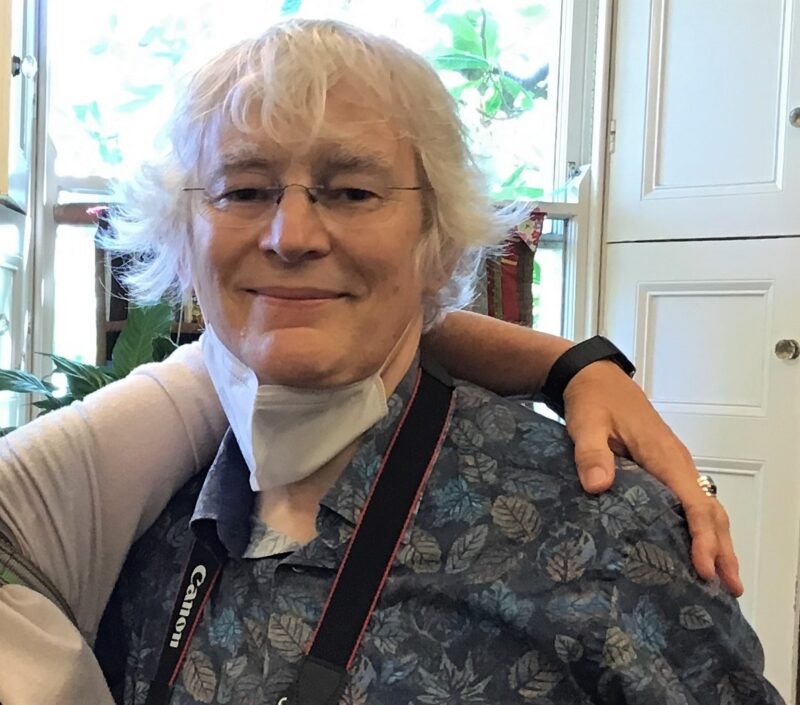
This new display case came to us via a bequest from the late Dr. Stephen Clark, much-loved life member, volunteer and former Trustee, who passed away on the 2nd of March, 2022. Steve loved the Morrab Library, volunteering for reception desk duty, joining the library’s Book Selection Committee, as well as being a founding member of the Library’s Poetry Group. His fresh-baked cakes were legendary. You can read more about Steve here.
Our biggest dilemma was deciding which of our collections we would display first, from a choice of hundreds. We settled on Henry VIII’s Great Bible of 1539. A donation to the library, it is a significant historical work, and asks all sorts of questions about when it came to the library and from whom. It is just one of thousands of historical books held in our special collections. Members and researchers are welcome to view these books, by appointment. And while we wait for them to be listed electronically through our library management system, KOHA, in the next few years, they are currently searchable in our card catalogue, and we also hold a separate listing. Staff will be able to help you discover our holdings.
We look forward to bringing you treasures from the collections in the coming months.
Read on to find out more about this important work.
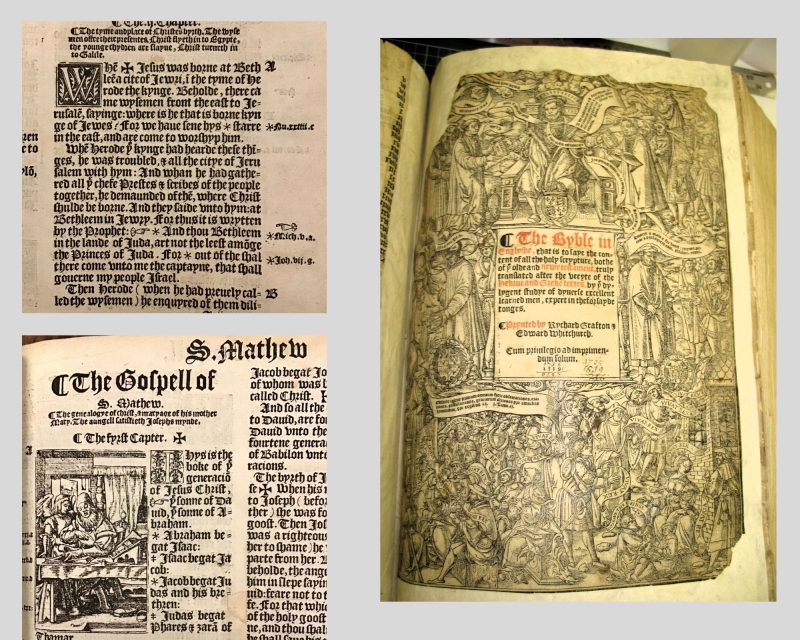
The Great Bible (London), 1539
E220.5201
The Great Bible, so called because of its size, was the first royally commissioned printed Bible in English. The title page shows Henry VIII, seated on his throne, presenting a Bible in either hand to clerics on the one side and laymen on the other. Below to the left and right are Thomas Cranmer, Archbishop of Canterbury, and Thomas Cromwell distributing Bibles. This picture conveyed an important political message: that the Pope’s authority over the Church in England had been replaced by Henry VIII’s royal supremacy, and that the Bible should be accessible to the poorest subjects in the realm.
Despite the best efforts of one of our volunteers, we weren’t able to establish the complete provenance of the copy we hold, although we do know it belonged to the Borlase family, with a George Borlase of Penzance signing his name in it in 1758, near to what appears to be a calculation of the age of the Bible at the time of ownership (1758-1539 = 219). George’s signature appears again with a date beginning “175”, but during later conservation the recto side of the page was severed, cutting off the last number.
The most likely George Borlase of Penzance is the son of John Borlase of Pendeen (1666-1755). The latter was also the father of Walter Borlase of Castle Horneck and William Borlase of Ludgvan. George was born in St Just in 1697, lived in Penzance, and died in Kent in 1769.
The frontispiece of the Bible has the arms of the Borlase family with ‘John Borlase of Helston’ written below. There are two possible owners of this bookplate . One, John Borlase (1764-1844), was an attorney, the son of George Borlase b. 1725. The latter was the son of the aforementioned George Borlase.
The second was John Borlase (1795-1879), a surgeon in Helston. He was the son of John Bingham Borlase (1753-1813), whose father was Walter Borlase, who was the son of the aforementioned George who signed the Bible.
All available copies of the Borlase family’s Wills have been examined but no mention of the Great Bible is made in any of them.
Information courtesy of Kay Line, Library volunteer, March 2026.
Morrab Library named as one of the UK’s most enchanting libraries
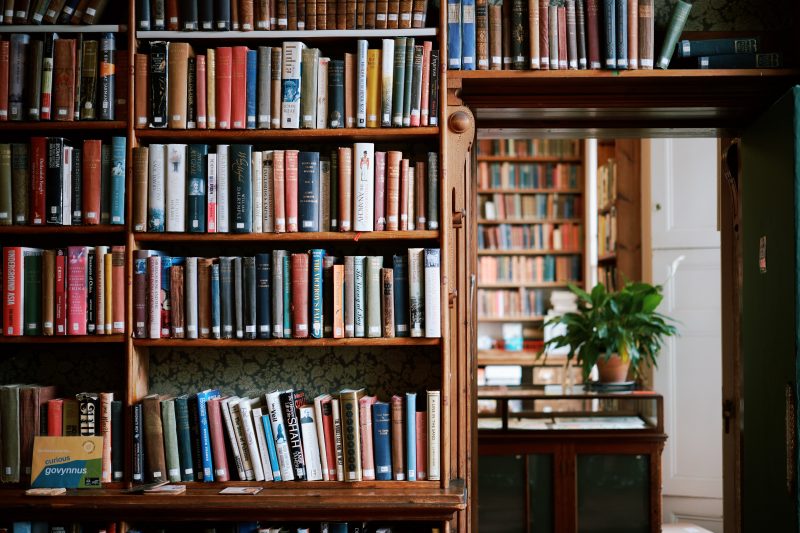 Photo: Ian Kingsnorth
We are excited to say that The Sunday Times has named The Morrab Library as one of the UK’s most enchanting libraries! We are in some illustrious company too.
Of course, it’s no secret to those who already know about our beloved library, but now many more people know too!
Read the article here.
Introducing the Morrab Library Tote Bag!
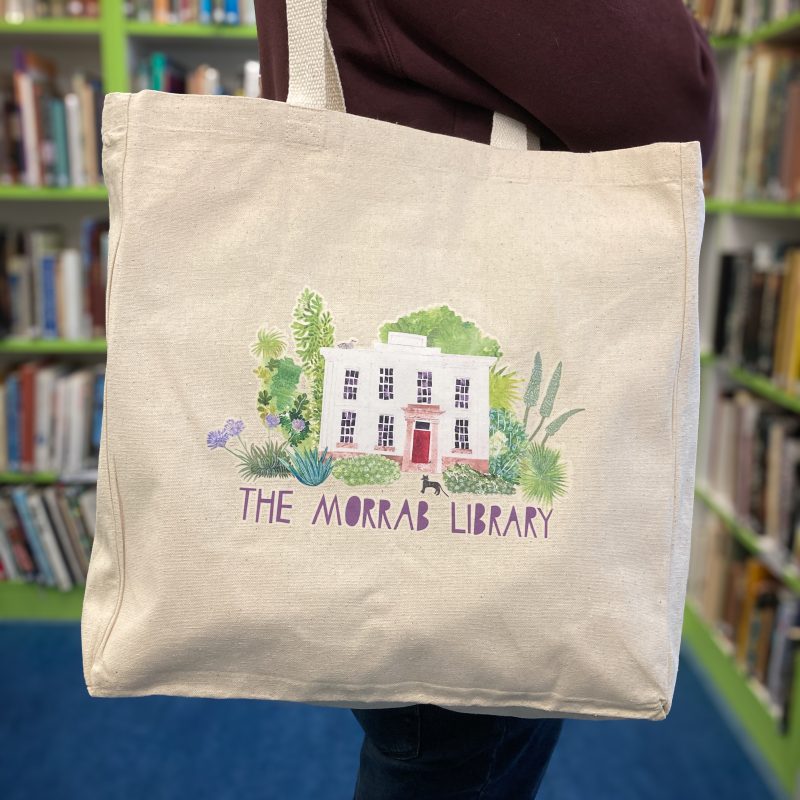
We would like to introduce you to the library’s new tote bag – on sale now at the library.
Made from natural cotton with long sturdy handles, the bags are perfect for carrying your library loans home with you, or filling up with treats and gifts from one of our Fairs.
The beautiful image of the library, nestled within the Morrab Gardens, was designed by our very own library assistant, Harriet-Jade Harrow.
Bags cost £10 each, and proceeds will go to the care and maintenance of your library and its important and special collections. Why not buy one for yourself, or as a Christmas gift?
For an additional postage charge, we can send bags in the mail to you – just contact library staff at enquiries@morrablibrary.org.uk for more information and to order.
Christmas Cards 2025
The Library’s Christmas card selection for 2025 is now available for purchase.
This year, we have gone retro, bringing back some of our most popular cards from previous years, and introducing a special new addition from our Hilda Quick collection.
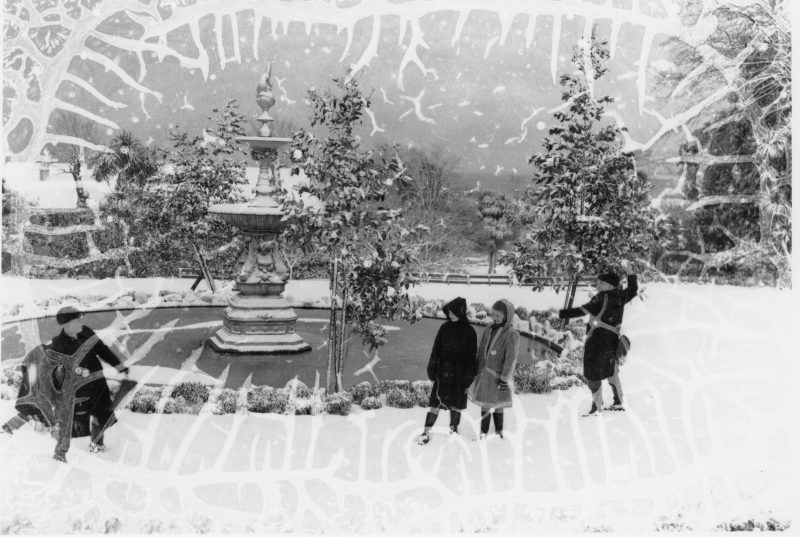
Our first card shows children playing in a snowy Morrab Gardens just outside the library in the 1960s, an image from our historic Photo Archive collection. The emulsion damage to the negative serves to enhance the festive feel of this photo.
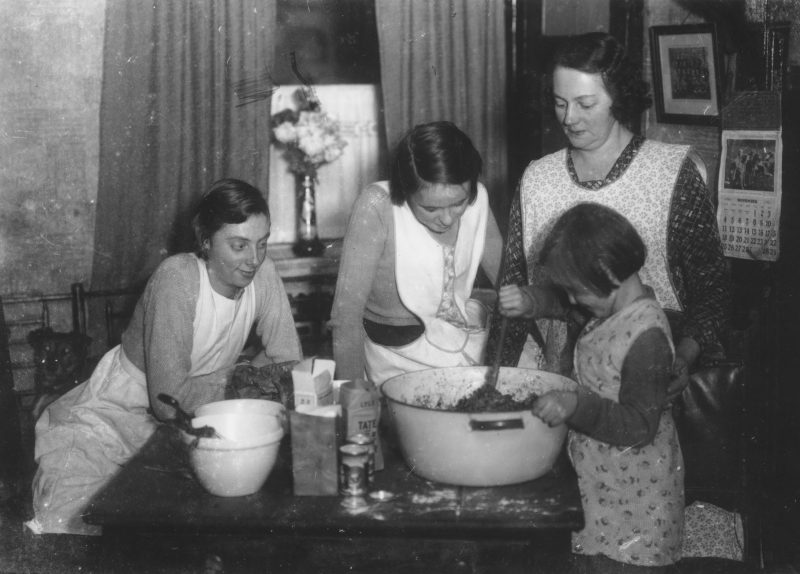
Our second is the lovely scene of the Richards family of Penzance and their friends stirring up the Christmas Pudding in 1934.
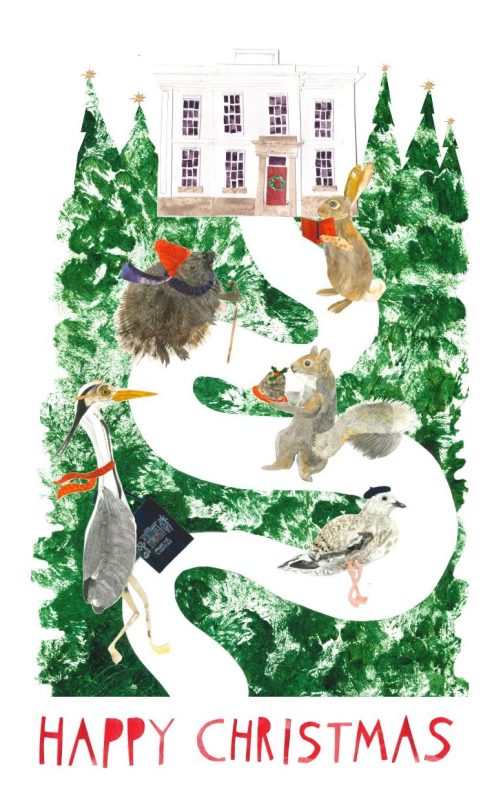
Next up, our own Harriet-Jade Harrow’s Christmas card of 2023, featuring the Morrab Gardens wildlife visiting the library.

And finally, we are delighted to introduce our new addition, a reproduction of a Christmas card designed and used by local artist Hilda Quick in 1949. Her beautiful woodblock engravings and paintings are held in the library’s archive.
Prices
- Single cards – £1.50 each
- Three cards of any design – £4.00
- Five cards of any design – £5.50
We are happy to send you your order in the post for a small additional postage fee, if you can’t make it in to collect them.
Drop in, or contact the library at enquiries@morrablibrary.org.uk
‘Shell House Detectives’ author Emylia Hall recommends five “big-hearted and beautifully rendered” crime novels
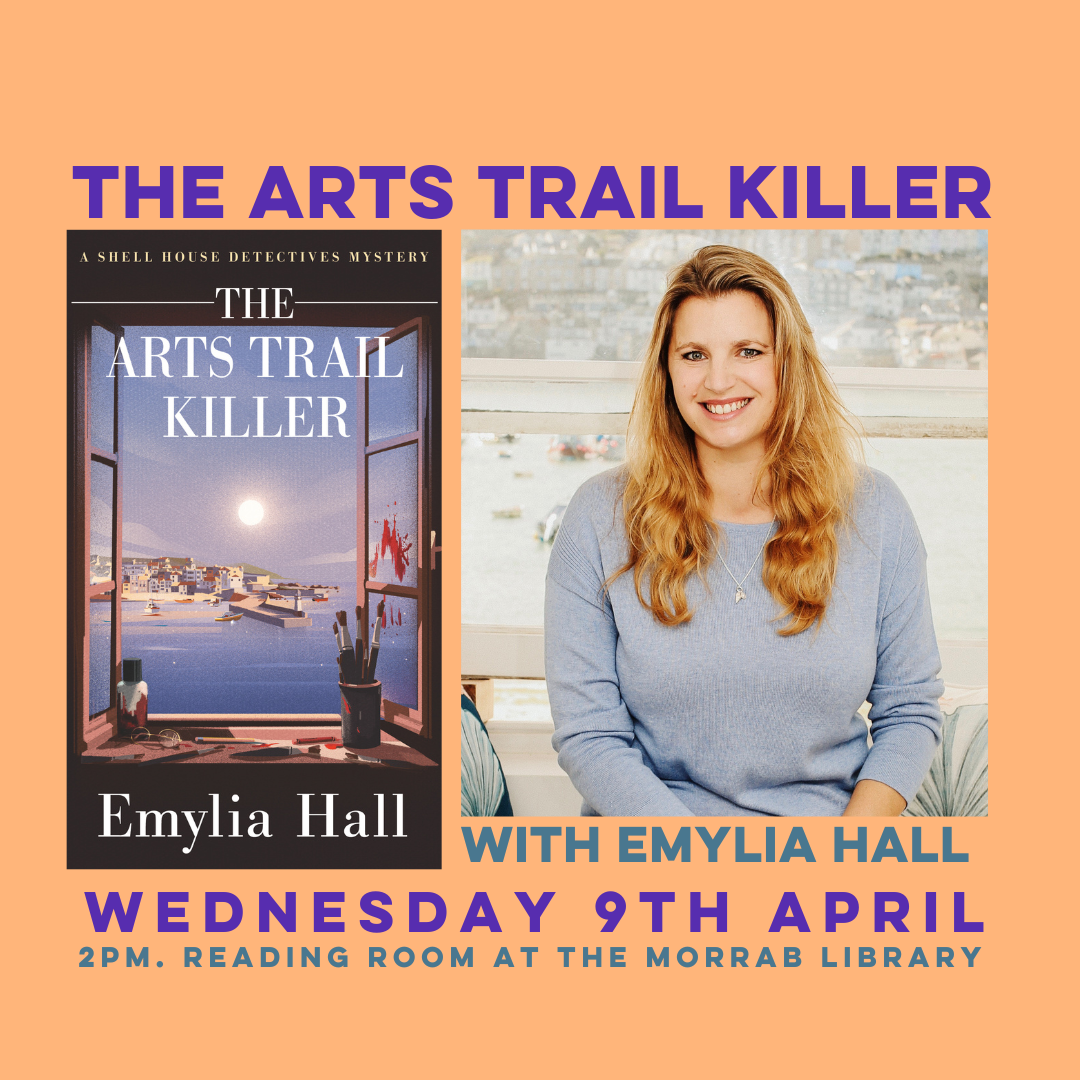
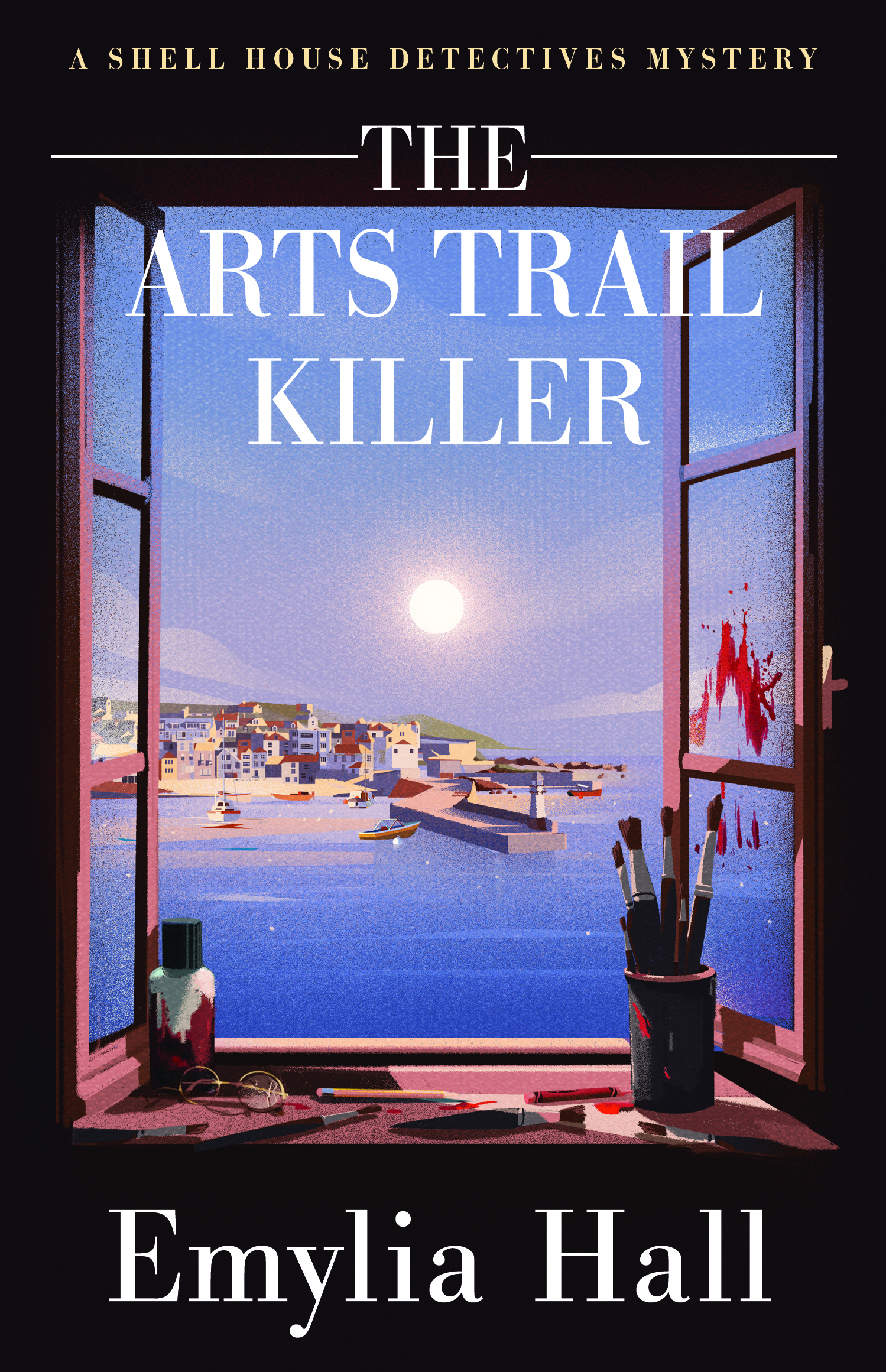
Earlier this year we were thrilled to welcome author Emylia Hall back to the library to celebrate the publication of the next instalment of her very popular Shell House Detectives mysteries – The Arts Trail Killer. We asked Emylia to share her recommendations of other novels in the crime genre and you can read her reading recommendations below. All of the titles, are now all available to borrow, or reserve, from The Morrab Library and you can find them in the Crime Fiction section in Reception.
“While my Shell House Detectives mysteries are filed under ‘Cosy Crime,’ I set out to draw my own line in the sand when considering the conventions of the genre. With the fictional Porthpella and its surrounds, I sought to create a world that readers would find charming and escapist. I wanted to people it with likeable, fun characters, though without skimping on real emotion and human complexity. I was determined to delight in Cornwall’s natural beauty – a landscape that requires no idealisation – while not turning a blind eye to certain realities, including the impact of greed and selfish wealth. And in doing so I wrote, essentially, the book I wanted to read.
The fifth in the series, The Arts Trail Killer, was published in April, and I had the great pleasure of talking about the book at Morrab during the Easter holidays. I’m currently working on the seventh, and my brief to myself continues to be the same: I believe it’s possible to write uplifting, escapist books that have their fair share of murder and mayhem, while never trivialising death, nor its effect on the living; to strive to stimulate the grey matter – bring on the armchair sleuths! – while also speaking, I hope, to the heart.
Here are five crime novels that I love as a reader but are also inspiring to me as a writer. The majority are not ‘cosy’ at all, and while they’re quite different tonally, what they have in common are tenderly drawn characters and a wonderful evocation of place: two aspects that make or break a book for me. In the case of these five? It’s ‘make’ all the way.”
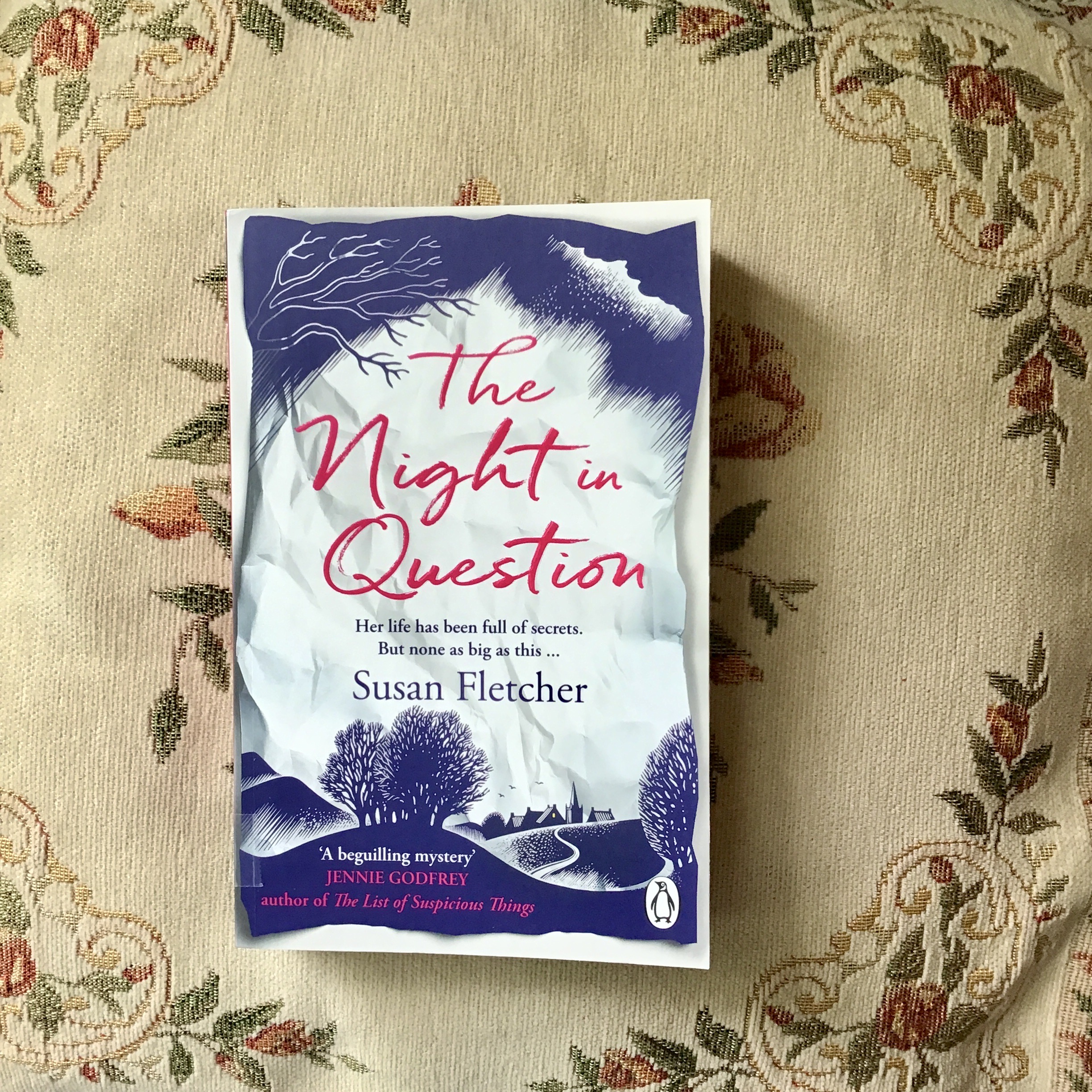
The Night in Question by Susan Fletcher
“I’ve truly loved every single one of Susan Fletcher’s novels and so was particularly excited when, with her eighth and most recent book, she turned to crime. Set in an idyllically-located residential home, our hero – and sleuth – is the octogenarian Florrie. And Florrie is a very special individual. This is a novel that transcends genre; it’s as much a deeply moving examination of one woman’s life and loves and losses as it is a deftly woven murder mystery. And the writing is pure magic, rich in lyricism and kindness.”
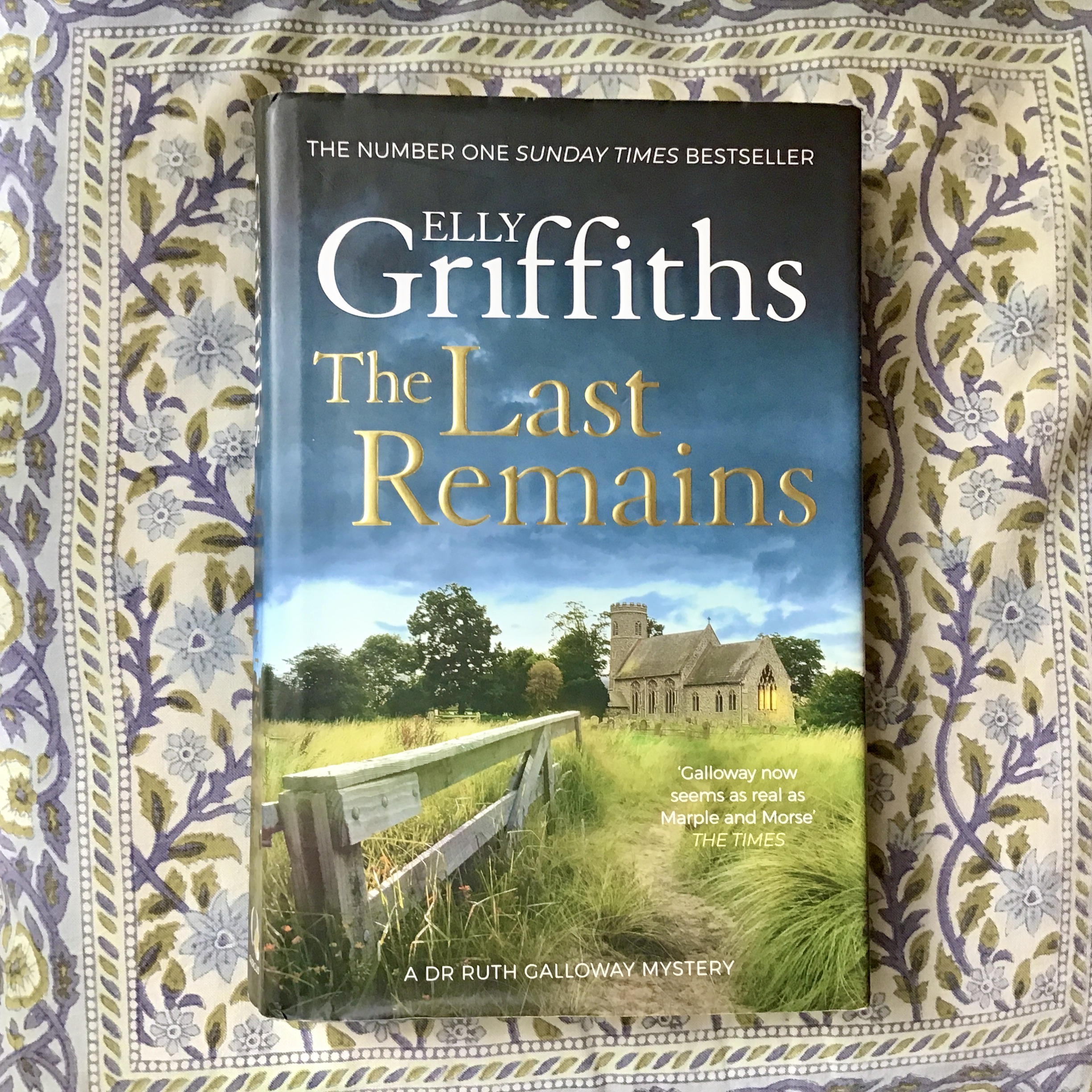
The Last Remains by Elly Griffiths
“The 15th novel in Griffiths’ Dr Ruth Galloway series – and described as the author as ‘the last, for now’ – The Last Remains is a masterclass in reader satisfaction. For book after book, we’ve not only been hooked on the compelling mysteries, but the will-they-won’t-they relationship between Ruth and DCI Harry Nelson, and here Griffiths delivers a pitch-perfect ending (if indeed it is the ending). The wider cast of recurring characters are also treated with such fondness by the author, that I read the closing chapters with tears in my eyes. Add to this the atmospheric Norfolk saltmarsh setting, and the ‘Ruth books’ really are one of my favourite series of all time.”
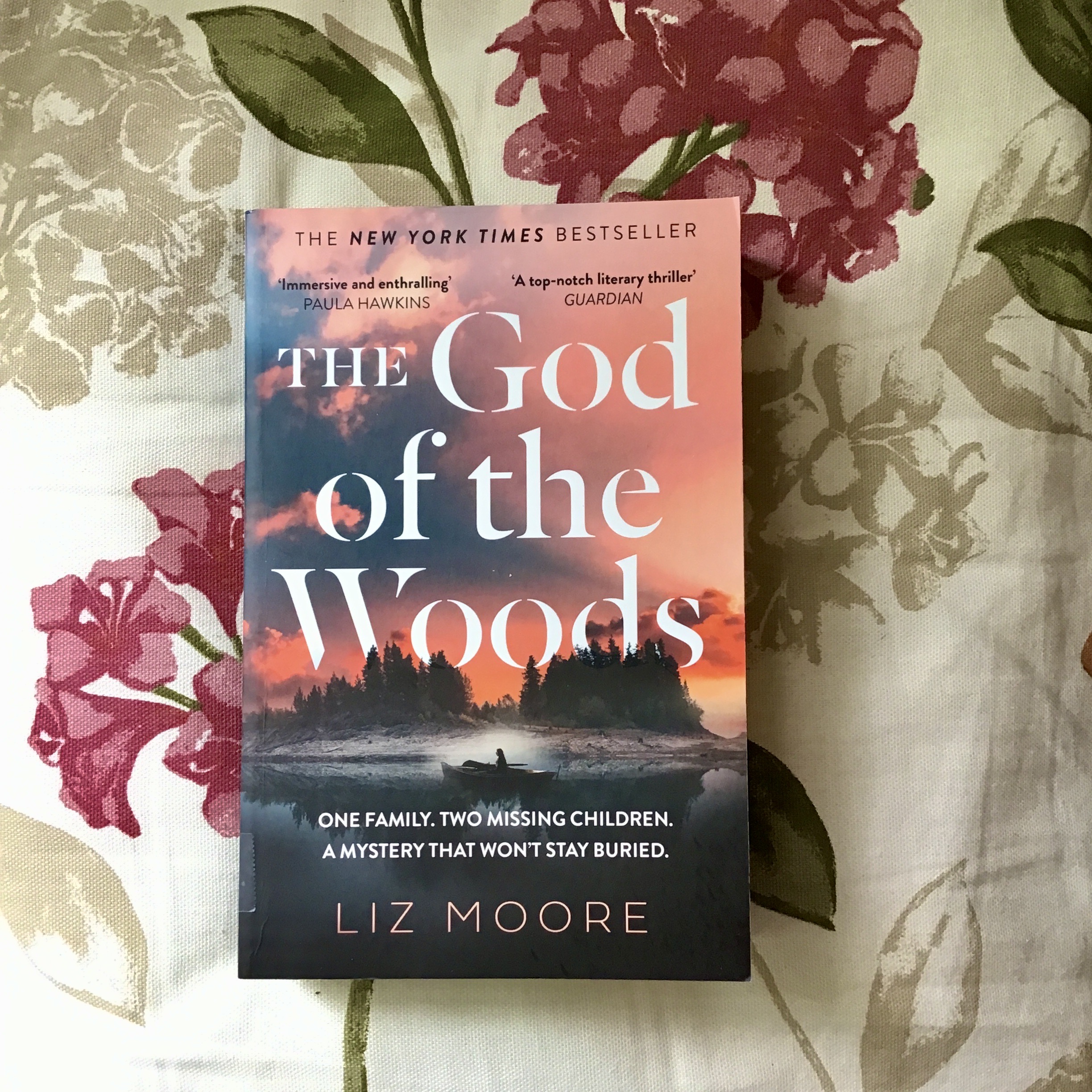
The God of the Woods by Liz Moore
“I hugely enjoyed Moore’s earlier novel, Long Bright River – a clever and emotional police procedural set in a deprived part of Philadelphia – but in The God of the Woods I’ve found one of my most beloved books. Set in the mountains north of New York City it follows the Van Laars, an over-privileged family whose little son Bear went missing fifteen years ago – and now their teenage daughter Barbara has disappeared in this same wild space too. Every character is rendered with compassion and humanity, but my favourite is Judyta, the first female investigator in the state; in a novel that’s full of stories, The God of the Woods feels like her story. Magnificent.”
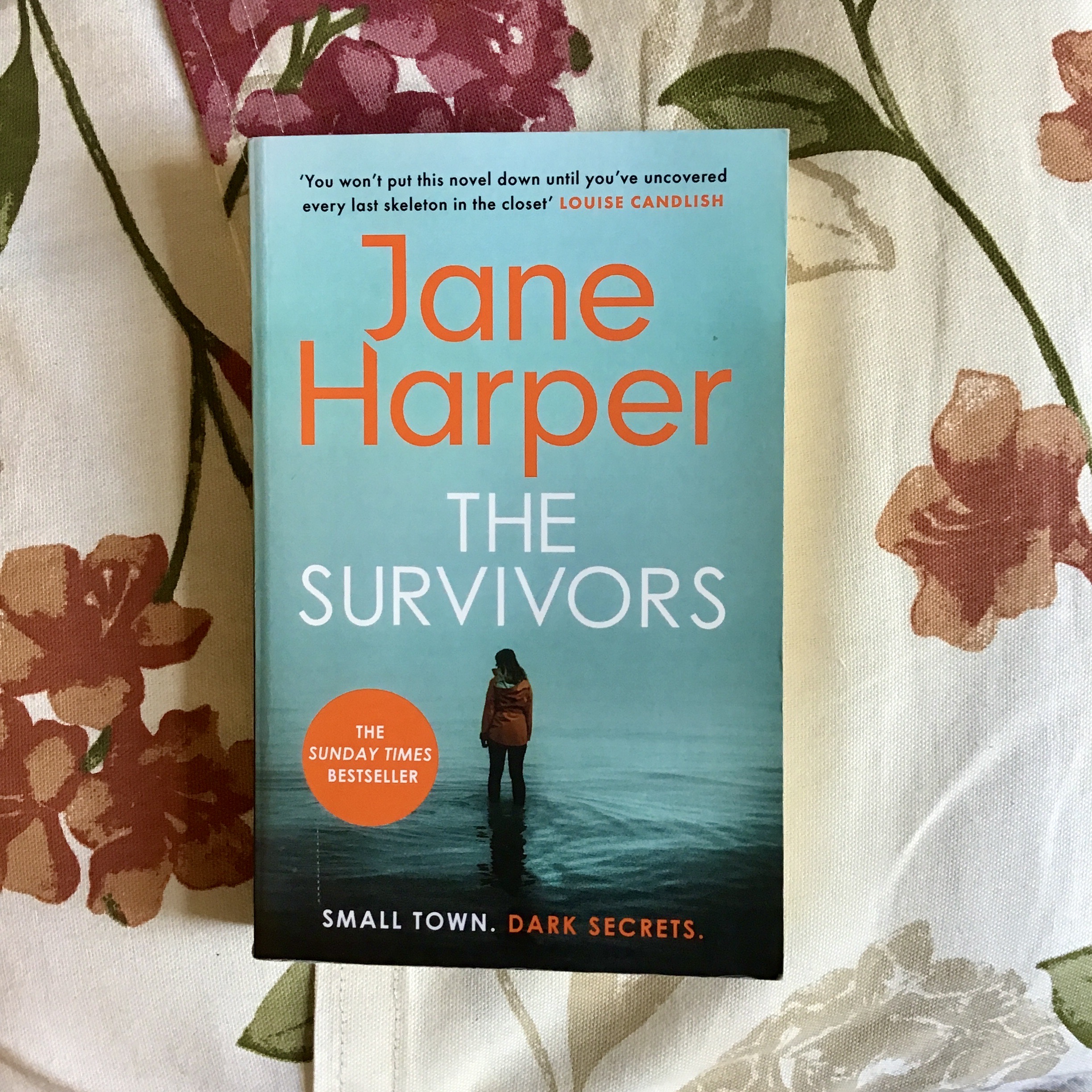
The Survivors by Jane Harper
“I always enjoy Jane Harper’s crisp, elegant and atmospheric crime novels, and the diverse array of wild Australian landscapes she evokes with each book. The Survivors competes with The Lost Man for my favourite, but its Tasmanian coastal setting and small-town vibes just edges it for me. Kieran Elliott returns to his childhood home with his young family in tow, haunted by a past tragedy that seems, as the novel unfolds, to connect to a present-day crime. Taking us from beach bar to secluded cove to the complex dynamics around the family dinner table, it’s a slow-burn beauty, with a heartbreaking mystery at its core.”
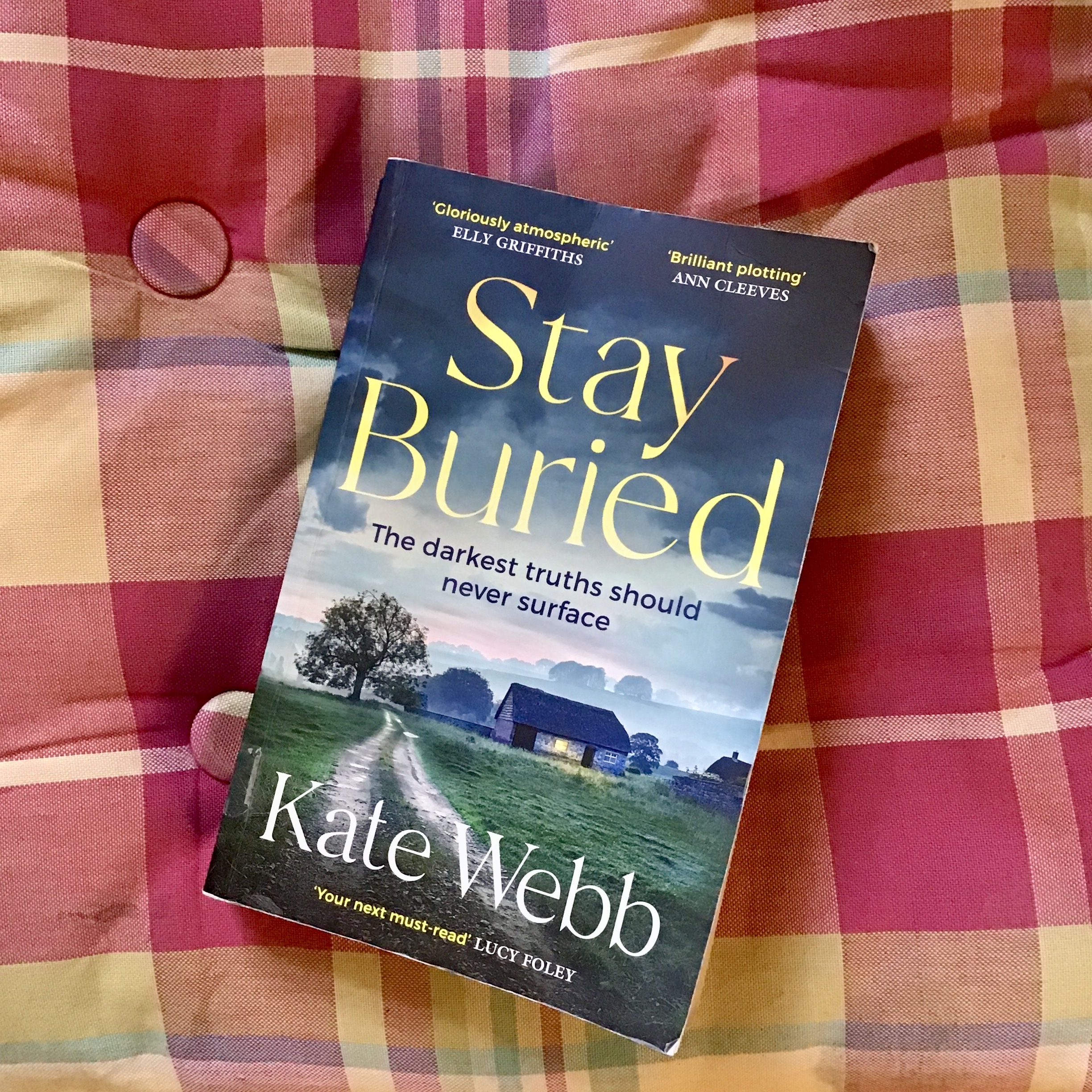
Stay Buried by Kate Webb
“There are now three novels in the DI Lockyer mystery series, and I urge you to read every one. In Stay Buried we meet likeable detective Matt Lockyer and his partner Gemma for the first time, and follow their investigations as Wiltshire’s premier, and passionate, cold case unit. Webb writes with beauty and precision and the rural landscape is vividly rendered, while the cases themselves are always intricate and intriguing. There’s a classic feel to the series, which somehow makes me think of evenings wedged on the sofa between my mum and dad, watching Morse and Wexford. Which is a very good thing indeed.”