by Lisa Di Tommaso | Oct 7, 2021 | Blog
The 6th October is National Poetry Day and as Morrab Library has a close affinity to poetry we felt we should celebrate this with a special blog from one of our library members…
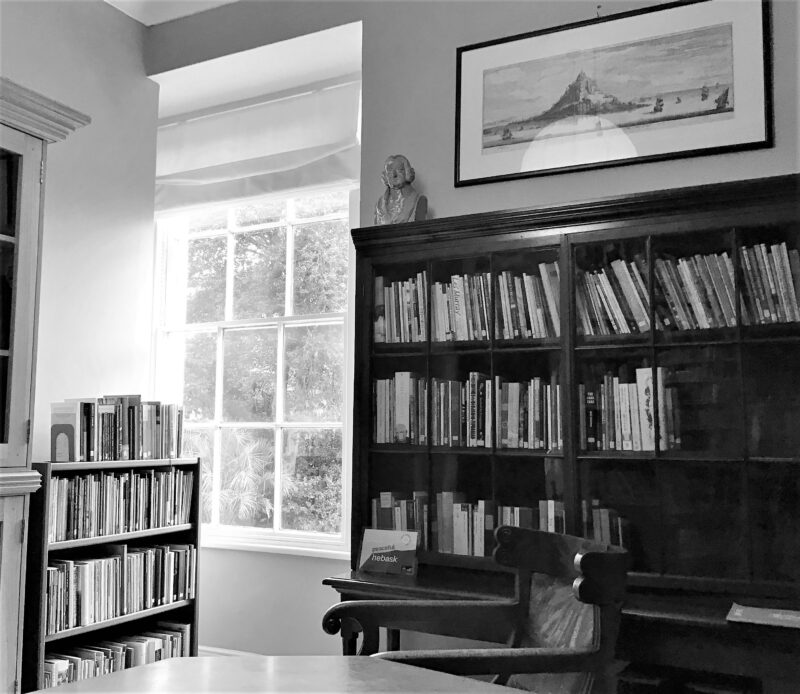
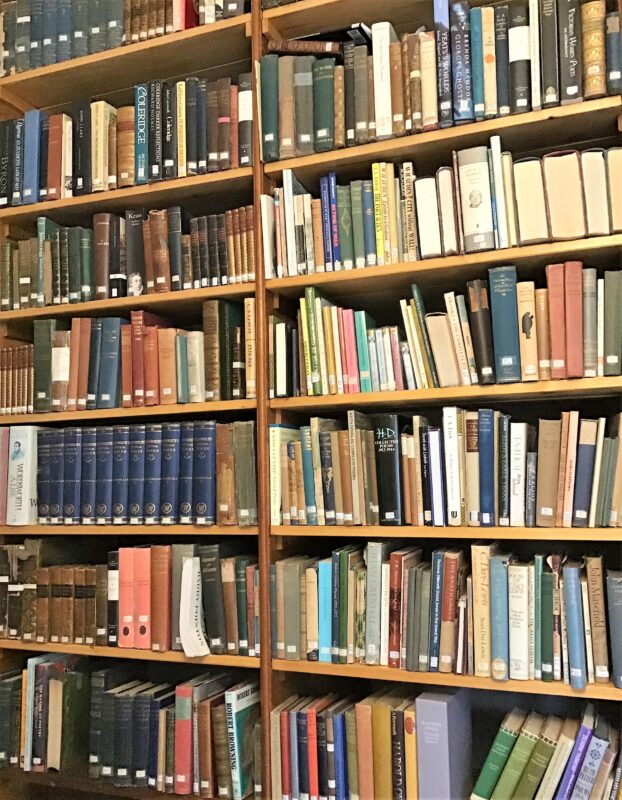
You cannot be a member of the library for very long before you notice a whole room dedicated to poetry, an extensive (and growing!) collection of poetry itself alongside biographies of poets. Furthermore there are many poets among the members and every fortnight a poetry reading group meets in Gods’ room.
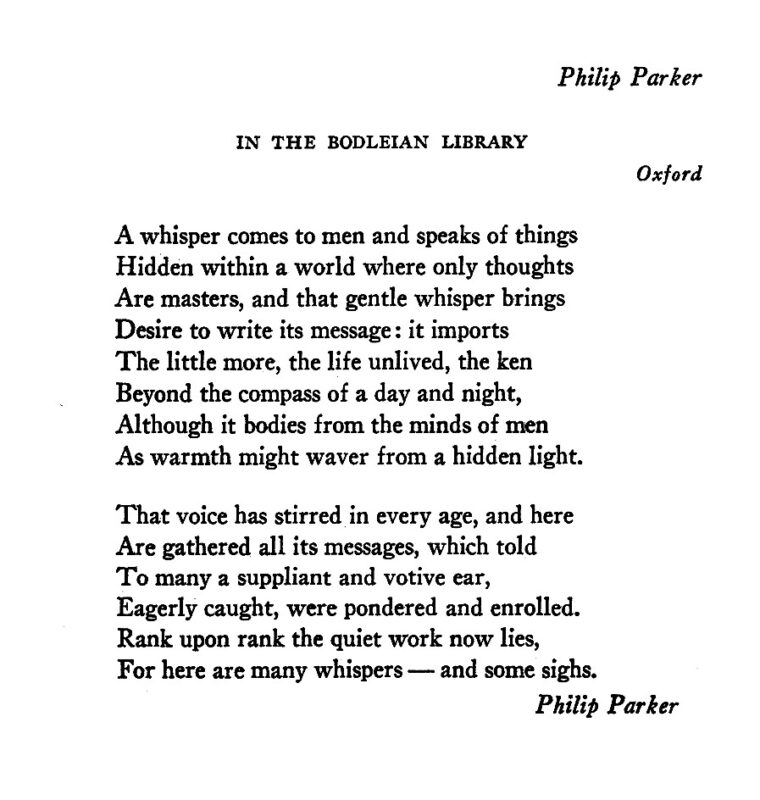
Here are two poems which celebrate libraries…
My First Memory (of Librarians)
Nikki Giovanni, 1943 –
This is my first memory:
A big room with heavy wooden tables that sat on a creaky wood floor
A line of green shades—bankers’ lights—down the center
Heavy oak chairs that were too low or maybe I was simply too short
For me to sit in and read
So my first book was always big

In the foyer up four steps a semi-circle desk presided
To the left side the card catalogue
On the right newspapers draped over what looked like a quilt rack
Magazines face out from the wall

The welcoming smile of my librarian
The anticipation in my heart
All those books—another world—just waiting
At my fingertips.
And here are two modest haiku about our own library from the author of this blog:
Sixty thousand books
Rooms of calm
surrounded by Palms, magnolias
In twenty eighteen
He opened the Morrab door
To heaven on earth
by Lisa Di Tommaso | Sep 11, 2021 | Blog
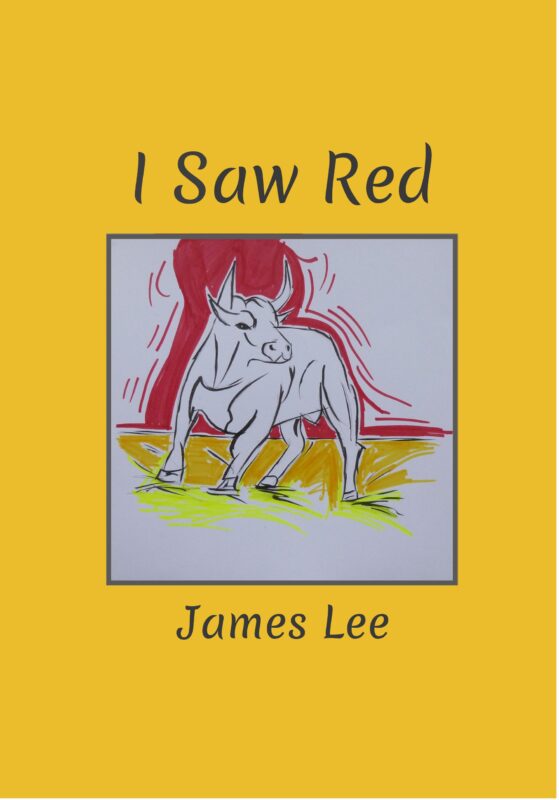
The latest novel by Morrab Library member, James Lee, was published earlier this month. I Saw Red is a retelling of the story of The Minotaur set in modern-day Spain. In this blogpost, James explains what inspired him to write this book, and reflects on why the wisdom within Greek myths is still as relevant today as it was thousands of years ago.
———–
Do you know the story of The Minotaur? The one about the monstrous creature who is conceived out of Queen Pasiphae’s lust for a beautiful white bull? And about how King Minos locks The Minotaur in a labyrinth? And then, with the help of his girlfriend, the Greek hero, Theseus, bravely confronts this terrifying creature, before disappearing off on another adventure (typical!), leaving Ariadne to while away the years with Dionysus instead?
The plot is so simple that most of us are taught it as children, but, like so many Greek myths, the story of The Minotaur is saturated in deeper meanings.
For example, the idea that a woman’s desires can lead to the conception of a monster says so much about men’s fear of female sexuality. And all of us know what it feels like to be imprisoned in a physical or psychological ‘labyrinth’. Also, if he really is such a hero then why does Theseus leave without Ariadne? Is the path of the hero/heroine ultimately a solitary one? And, after going through all that trauma, why would Ariadne hook up with a crazy-wisdom god like Dionysus? Madness!
Once you start to scratch beneath the surface, it becomes apparent that the insights and wisdom in this myth are as relevant today as they were three millennia ago.
But why did I set most of this novel in Madrid? Partly because I lived there during the noughties, so I have strong memories of that time. Also, because of everything that it has witnessed over the years (the Spanish Inquisition, the rise and fall of the Spanish Empire, the Napoleonic invasion, the civil war, the post-Franco burst of creativity etc), Madrid is a highly charged and slightly haunting place. Of course, the bull has an iconic status within Spanish society, so setting a retelling of the story of The Minotaur in Spain makes sense for this reason too.
I hope that you enjoy reading I Saw Red as much as I enjoyed writing it. Digital and paperback versions are now available on Kindle + Amazon.
And if you would like to keep up to date with my thoughts and work as a writer, then feel free to follow my Facebook page @jamesleeauthor
by Lisa Di Tommaso | Aug 21, 2021 | Blog
Our latest book review comes from one of our younger (and we must confess, favourite) members. Ilani has recently turned 9, and visits the library regularly to borrow books and ask the library staff challenging questions on all sorts of topics!
She recently read Abi Elphinstone’s magical book, Sky Song, and sent us a review, which we are delighted to share with you…
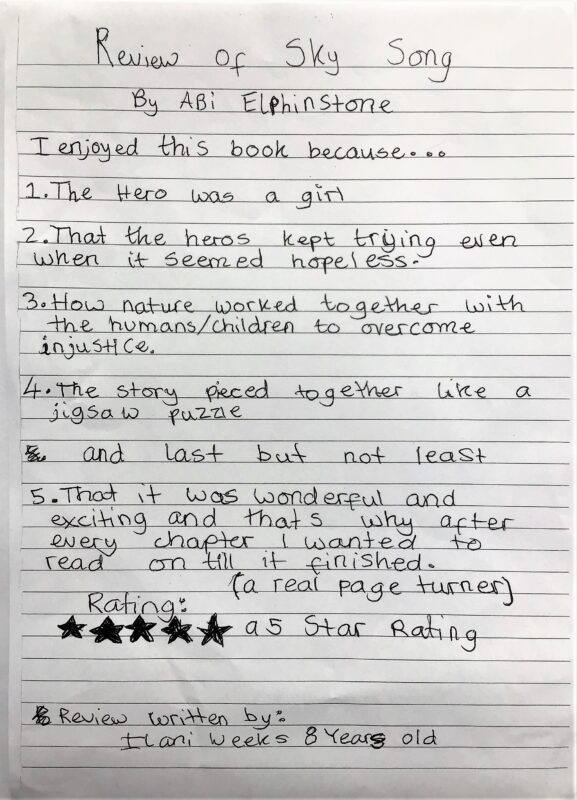
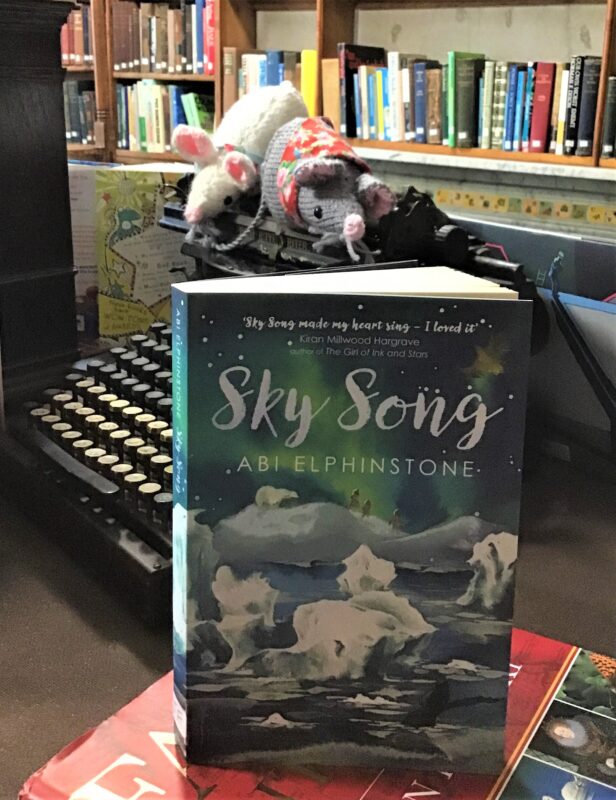
Thank you so much Ilani. We have a wonderful selection of children’s books (for all ages!) available to borrow from Morrab Library, so come in and have a look soon.
by Lisa Di Tommaso | Jul 29, 2021 | Blog, Images, Photographic Archive
This blog comes from one of our dedicated team of volunteers who work in the library’s Photo Archive. David and his colleagues are the people who scan and provide context to the thousands of images that end up on the Photo Archive website ( http://photoarchive.morrablibrary.org.uk/ ), available for you to peruse and enjoy. David has given us a brilliant insight into his role as a volunteer, but also reveals his brilliant piece of detective work in identifying one particular image – an act of perseverance and detective work which would put Sherlock Holmes to shame….
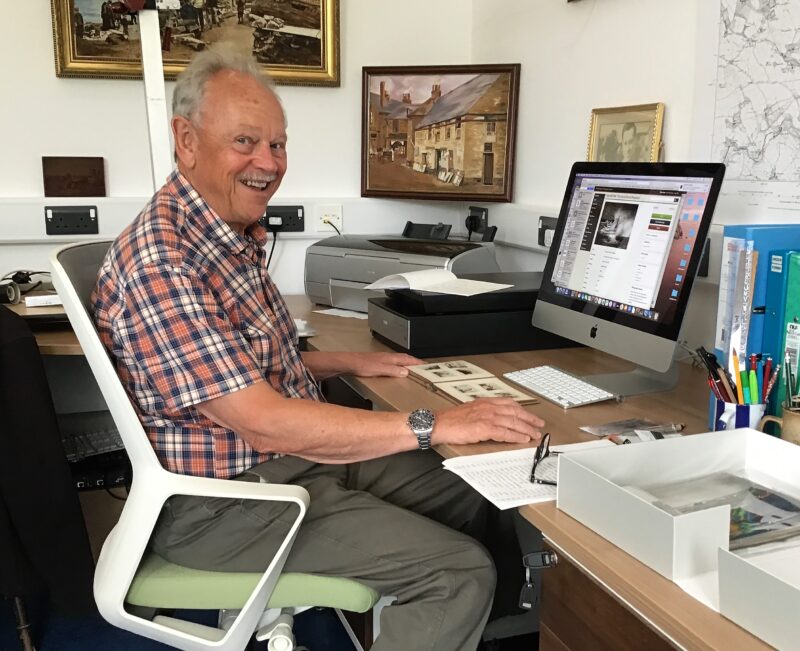
I volunteer in the photo archive as part of a team and see this as a great privilege to work in this wonderful library. This work is like no other; there is no pressure other than to carry out the task with great care, archive many photos, negatives and slides so that they are preserved forever. Preservation sleeves are used to protect them before they are put into conservation boxes for storage.
The room that I work in is new with views across the gardens – a lovely environment. As I sit at my desk, I have a PC and a scanner which must talk to one another if the photo is to arrive in its place in the digital collection. Once logged on then the process begins. This involves allocating a collection number to the photo before it is scanned. The computer programme allows me to add the data such as description, date, location, name of person or group. If it is a ship then the name and date is useful information. A facility also allows me to pinpoint the location on a map if known.
This is the easy part if the information pre-exists but often the process involves searching like a detective to identify the aforementioned essentials. I use books and the internet but there are also many photos in albums which have information about places and dates. All of this takes time but is very enjoyable. If the photographer is named then a search can provide interesting information about their work which is then added.
Fashions in clothing are always changing and it is interesting whilst compiling a collection, to note how fashion changed from the Victorian age and into the Edwardian era. Clothing becomes lighter and less dark and heavy. Women must have found life much easier. It is fascinating to find a detail written on the back of a photo, perhaps a date or a message to the recipient often encountered.
Currently I am working on a collection of miscellaneous photographs which are quite small, in an album with no information whatsoever. I had two photographs of a ship which, through using a magnifier I was fairly sure was in Penzance moored along the quay and the same ship in another photo moored alongside buildings. I needed to find out about this ship so I spent time at home searching for three-masted cargo ships with a white hull. Eventually I found information which identified it as the Leon Burau shown below. Using a magnifier, I identified the ship from the rigging and the shape around the bow. The additional information about the ship was then added to the data page, which will soon appear on the record accompanying the image on our website. Its story is fascinating and a summary follows below.
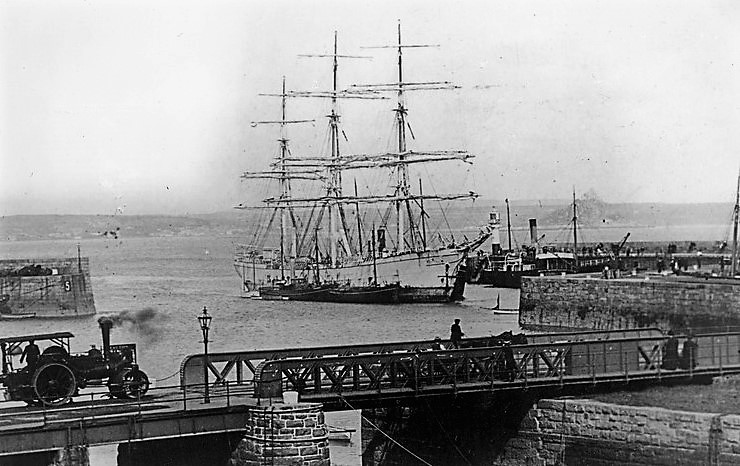
Morrab Library image: HARB 14HF 053
On the 18th of June1909 Alfred Vingoe was returning to Penzance in his pilot boat when he noticed that a large sailing ship was low in the water and flying distress flags. He and his two crew members sailed over to the craft which was the “Leon Burau” to find that the ship had been holed on a rock off the Scilly Isles and was fast taking in water. Climbing aboard Alfred told the captain to put on full sail, and when this was done Alfred piloted the ship into Penzance where he beached her just outside the harbour. The next day was a Sunday and people were amazed to see this fully rigged sailing ship ashore just outside the harbour entrance. Alfred arranged for most of the cargo to be discharged into small ships and then at high tide the ship was towed into the harbour to be repaired. A full account of the rescue is given in the “Cornishman” newspaper.
I was then able to identify that the ship in my photo was moored opposite what is now the dry dock in the harbour.
Just to add more interest an unidentified painting of this ship hangs in the photo archive painted by the Morrab Library benefactor Denis Myner. Further research identified the painting from an original photo as being part of the Richards collection. I then added the information to that photo on its web page identifier.
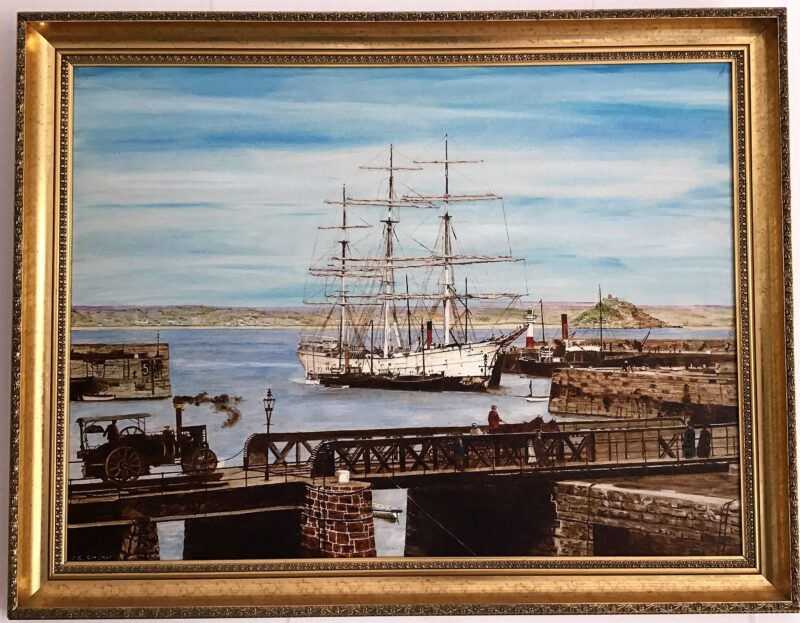
Painting by Denis Myner.
This is just one example of identifying a photo.
At the end of the day, I am usually left with a feeling of satisfaction in having made good progress but also knowing that many interesting searches lie ahead.
David Sleeman
If David’s blog has inspired you to consider volunteering with us in the Photo Archive, please get in touch with the library. You can email photoarchive@morrablibrary.org.uk or call the library on 01736 364474.
by Lisa Di Tommaso | Jul 17, 2021 | Blog, Uncategorized
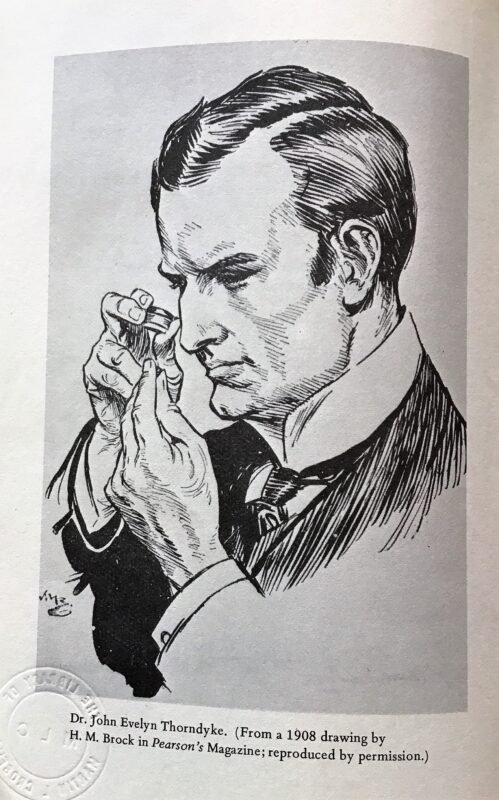
Dr. Richard Austin Freeman (1862 – 1943) was a British writer of detective stories, very much in the style of Arthur Conan Doyle’s Sherlock Holmes. Library member Martin Crosfill has written a fascinating insight into the author and his character, Dr John Evelyn Thorndyke.
Dr Thorndyke: The First Professional Forensic Pathologist in Fiction?
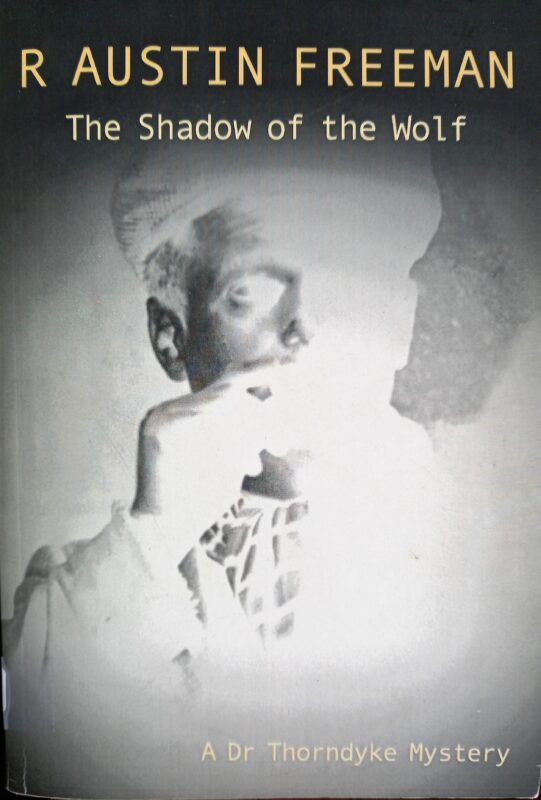
On the Cornish fiction shelves is a book entitled “The Shadow of the Wolf ”. It is of interest partly because the action is centered around Penzance and the Bishop Rock Lighthouse, partly also because it is the first ‘inverted’ detection story. The identity of the murderer is revealed early on and the meat of the tale is concerned with the process of detection. Here is a short outline of the author’s life and work. The argument that the laurel belongs to Sherlock Holmes will be welcomed and challenged.
Click here to read Martin’s blog….
by Lisa Di Tommaso | Jul 3, 2021 | Blog, Morrab Library
Morrab Library has welcomed a new intern in the last few weeks. Eliza McCarthy is an English Literature student at the Penryn campus of Exeter University, who have funded Eliza’s project through their Access to Internships programme. Halfway through her time with us, we wanted to share how Eliza’s research is progressing, and her thoughts on the library so far….
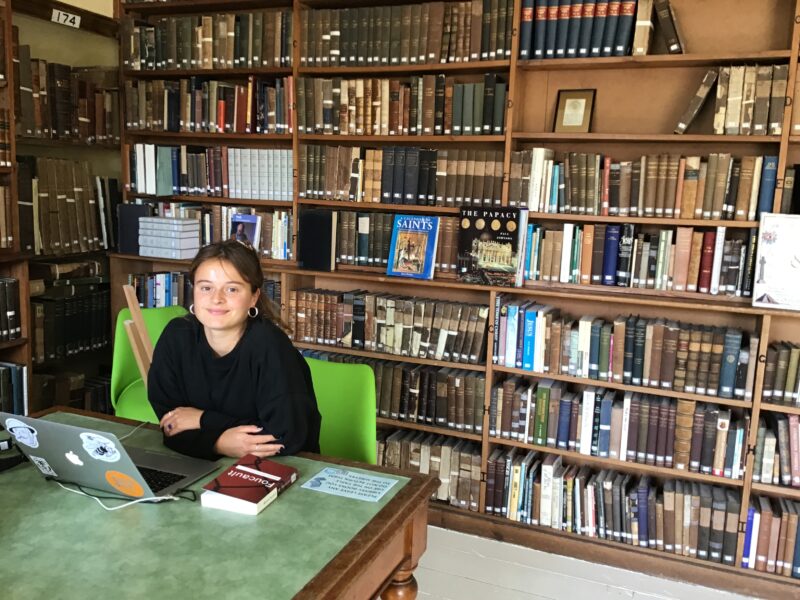
Over the course of the last month, I have been working with the extensive archive at Morrab Library on John Thomas Blight. The prolific artist and archaeologist is a familiar face around the library (his portrait hangs on the wall just outside the loo) and it has been a great pleasure to work so closely with a collection so integral to the rich history of Morrab Library.
The archive contains incredible diaries from his time at St Lawrence’s asylum in Bodmin, letters to friends and contemporaries, intricate line drawings and pages of rough sketches of sites across Cornwall. Looking through the archive, it is jarring to see such obvious evidence of Blight’s gradual downfall. His earlier sketchbooks contain countless rough sketches of familiar sights throughout West Penwith, drawings of local wildlife which are exquisitely detailed (my favourite being a small seagull, captioned ‘Little Bustard’. Clearly they’ve always been a nuisance). The later diary entries from Blight’s time at St Lawrence’s are just as detailed despite the fact his world suddenly became much smaller, with meticulous portraits of the faces of those confined alongside him, the interior landscape of the hospital, a rug, the bedframe, the heel of his newly darned sock…
It is very evident from Blight’s work, his profound, but sometimes entirely nonsensical musings crammed into tight corners of small notebooks (there must have been a paper shortage) that he so desperately wanted to leave an impression behind him, to be remembered like some of his more privileged contemporaries. Ironically, he was silenced and forgotten about within his own lifetime, swallowed by the social stigma that surrounded his poor mental health.
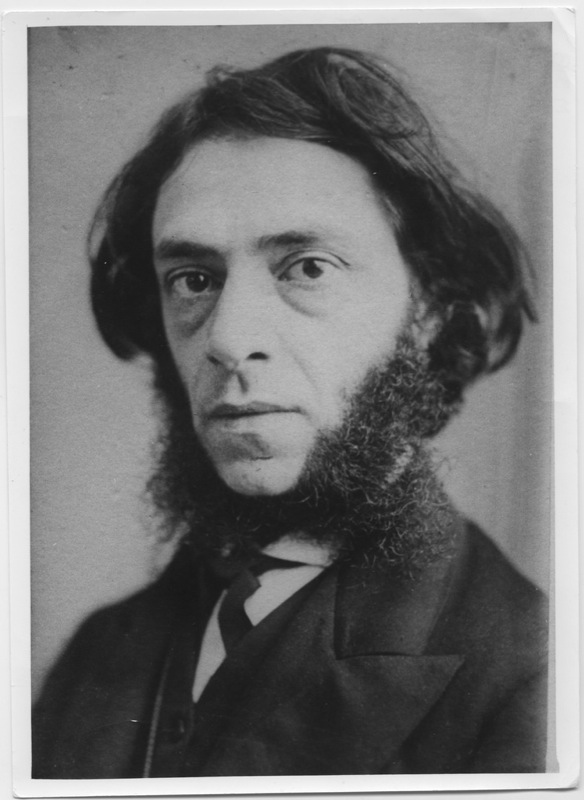
Of course, Blight’s somewhat sad story is well known by many of the library community. However, the goal of this project is to inject a little life into the archive, culminating in a research project that will explore some lesser known areas of the Blight story which perhaps deserve more academic attention than they initially received. I want to delve a little deeper into Blight’s time at St Lawrence’s Hospital, using his story as an anchor to Morrab Library whilst exploring the wider topic of the treatment of the ‘mad’ in the 19th Century, and what it meant on a social level to be deemed insane.
A huge thank you goes to Morrab Library for letting me come in and (gently) rifle through this incredible collection of work, and to Lisa for supplying me with chocolate and various other delightful confections whilst I do it.